Mental Health in India: Signs, Treatments, and What Really Helps
When we talk about mental health, a person’s emotional, psychological, and social well-being that affects how they think, feel, and handle daily life. Also known as psychological well-being, it’s not just the absence of illness—it’s about how you cope, connect, and keep going even when things get heavy. In India, mental health is often ignored until it’s too late. People brush off constant fatigue, irritability, or withdrawal as "just stress" or "being weak," but these are real signals. Untreated ADHD, a neurodevelopmental condition that impacts focus, impulse control, and organization, often mistaken for laziness or poor discipline can lead to job loss, relationship breakdowns, and even substance use. And when someone is struggling with severe anxiety or depression, they don’t need pep talks—they need real support.
Many people wonder if they should see a therapist, a trained professional who helps you work through emotions, behaviors, and thought patterns through talk-based methods or a psychiatrist, a medical doctor who can diagnose mental conditions and prescribe medication. The answer isn’t one-size-fits-all. A therapist helps you understand why you feel stuck. A psychiatrist helps if your brain chemistry needs adjusting. Some people need both. And therapy isn’t just for crises—it’s for people who want to understand themselves better, even if they’re not "broken." The idea that you need to be in crisis to seek help is outdated. In fact, the people who stick with therapy the longest aren’t failing—they’re doing the hard work of healing.
What’s missing in most conversations is how mental health shows up in daily life. It’s not always crying or panic attacks. Sometimes it’s skipping meals, snapping at loved ones, staying up all night scrolling, or losing interest in things you used to love. These aren’t personality flaws—they’re red flags. And early action changes everything. You don’t need a diagnosis to start feeling better. You just need to recognize the pattern and reach out. The posts below cover what untreated ADHD really does to your life, what the hardest mental illnesses feel like from the inside, how to spot when your mental health is slipping, and whether therapy actually works. No myths. No fluff. Just what people in India are experiencing—and what actually helps.

How Do I Know If I Need Therapy? A Practical Guide
Wondering if you need therapy? Discover the subtle signs that indicate it's time to seek professional mental health support. Learn how to distinguish between temporary stress and deeper issues needing help.

What Works Like Xanax Over the Counter? Natural Alternatives for Anxiety
Looking for Xanax alternatives? Discover effective over-the-counter options like Ashwagandha, L-Theanine, and Valerian Root. Learn how these natural supplements manage anxiety safely.

Can I Go to Therapy Just to Talk? Yes, and Here’s Why
Wondering if you can go to therapy just to talk? Absolutely. Discover why non-clinical counseling is valuable for self-exploration, clarity, and emotional hygiene, even without a diagnosis.

3 Early Warning Signs of Schizophrenia: What to Look For
Identify the three main warning signs of schizophrenia: delusions, hallucinations, and disorganized thinking. Learn how early detection improves treatment outcomes and what steps to take next.

What Age Is ADHD Hardest? Understanding Symptoms Across Life Stages
Explore which life stages pose the greatest challenges for individuals with ADHD, from adolescent risks to adult burnout, and learn effective management strategies.
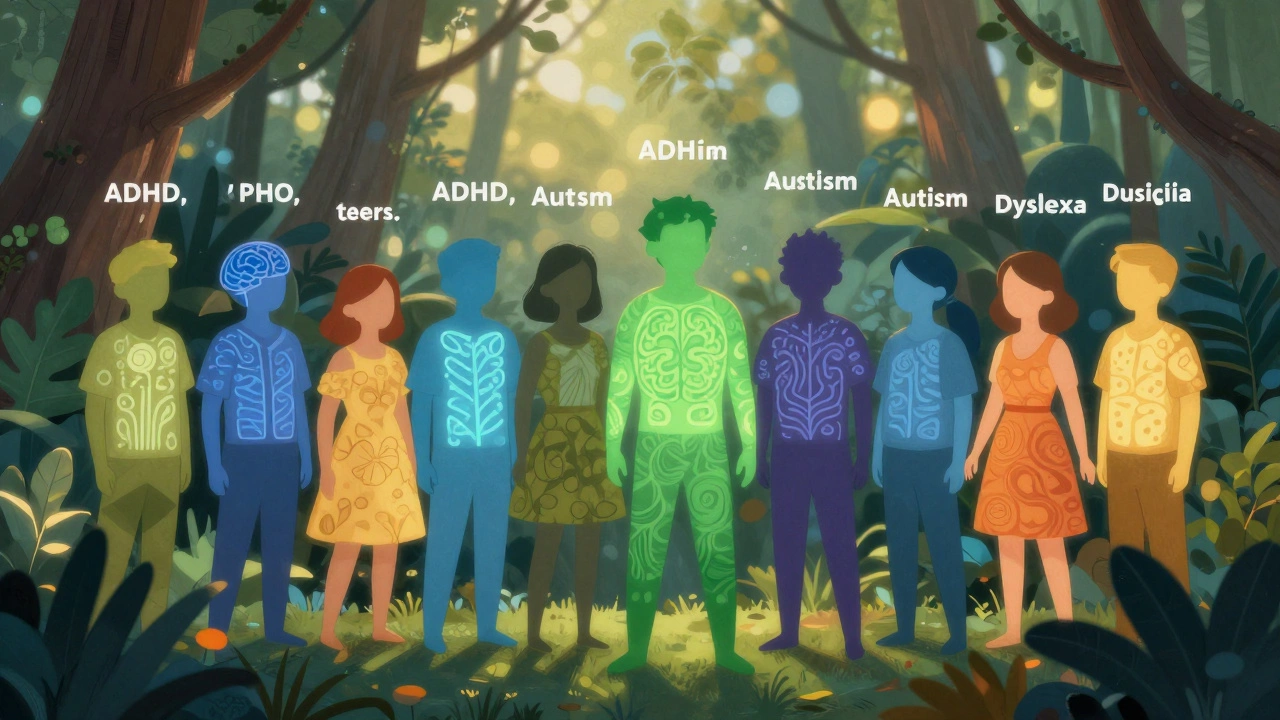
Are ADHD People Neurodivergent? Understanding the Link Between ADHD and Neurodiversity
Explore the link between ADHD and neurodiversity. Learn why ADHD is considered neurodivergent, how it differs from the medical model, and practical tips for thriving with a neurodivergent brain.

The Hidden Downsides of Therapy: Costs, Emotional Risks, and When It Might Not Work
Discover the real disadvantages of therapy, including high costs, emotional exhaustion, and the risk of a poor therapist-client match. Learn how to navigate these pitfalls effectively.

What is the difference between counseling and therapy? A clear guide
Understand the key differences between counseling and therapy, including training, focus, and duration. Learn when to choose each service for your mental health needs.

How Do I Know I Should Go to Therapy?
Wondering if therapy is right for you? Learn the quiet signs you might need support-beyond sadness or crisis. This guide helps you recognize emotional fatigue, avoidance, and numbness as valid reasons to seek therapy.

What Are the 7 Types of Mental Disorders You Should Know About
Learn about the 7 most common mental disorders - depression, anxiety, bipolar disorder, schizophrenia, OCD, PTSD, and ADHD - and how they affect people differently. Understand symptoms, causes, and treatment options.

What Are the 10 Most Disabling Mental Illnesses?
The 10 most disabling mental illnesses include severe depression, schizophrenia, bipolar disorder, OCD, PTSD, and others that can destroy daily functioning. Learn how they impact lives and what help is available.

What Can Untreated ADHD Lead To? Real Risks and Long-Term Effects
Untreated ADHD can lead to chronic stress, relationship breakdowns, job underperformance, substance abuse, depression, obesity, and financial trouble. Learn the real long-term risks and why early support makes all the difference.