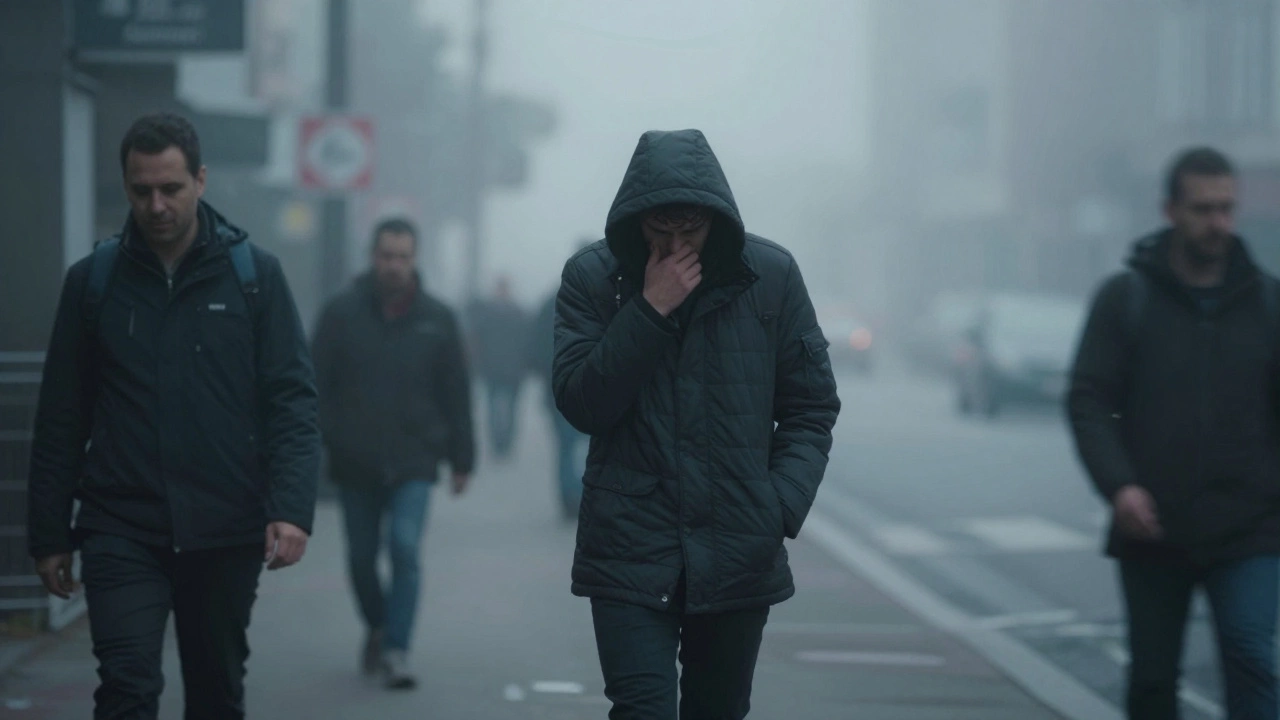
More than 1 in 5 adults in the U.S. live with a mental disorder. In India, the National Mental Health Survey of 2016 found that nearly 15% of the population needed urgent mental health care - and most never got it. The problem isn’t lack of awareness. It’s confusion. People hear terms like depression, anxiety, or schizophrenia, but they don’t know what these actually mean - or how they’re different. This isn’t just about labels. It’s about recognizing when something is wrong, knowing when to ask for help, and understanding that mental health isn’t a weakness - it’s biology.
Depression
Depression isn’t just feeling sad. It’s a persistent low mood that lasts for weeks or months and doesn’t go away with time or good news. People with depression often lose interest in things they used to enjoy - hobbies, food, even spending time with family. They may sleep too much or too little, feel worthless, or have trouble concentrating. Some describe it as walking through wet cement every day. The physical symptoms are real: fatigue, headaches, stomach issues. It’s not something you can ‘snap out of.’ Clinical depression affects over 280 million people globally, according to the World Health Organization. It’s the leading cause of disability worldwide. Treatment works - therapy, medication, or a mix of both - but only if people recognize it for what it is.
Anxiety Disorders
Anxiety isn’t the same as being nervous before a presentation. Anxiety disorders are constant, overwhelming fear that shows up even when there’s no real threat. Generalized Anxiety Disorder means you’re always bracing for the worst - about work, health, money, your kids. Panic Disorder hits like a lightning strike: chest pain, racing heart, shaking, the feeling you’re dying - even when you’re sitting quietly at home. Social Anxiety isn’t just shyness. It’s terror of being judged, leading people to skip meetings, avoid parties, or quit jobs. These aren’t personality traits. They’re brain chemistry issues. The amygdala, the brain’s alarm system, gets stuck on high. About 40 million adults in the U.S. alone have an anxiety disorder. The good news? Cognitive Behavioral Therapy (CBT) has been proven to rewire these patterns in as few as 12 weeks.
Bipolar Disorder
Bipolar disorder isn’t mood swings. It’s extreme, long-lasting shifts between two very different states: mania and depression. Mania isn’t just feeling happy. It’s racing thoughts, needing little sleep, spending money recklessly, taking dangerous risks - like quitting a job or starting a business with no plan. Then comes the crash: deep depression, exhaustion, guilt, sometimes suicidal thoughts. These cycles can last weeks or months. Many people go years undiagnosed because they think the manic phases are just ‘being energetic’ or ‘on top of the world.’ But when the depression hits, it can be life-threatening. Around 46 million people worldwide live with bipolar disorder. Medication - like mood stabilizers - combined with therapy, can help people live stable, productive lives.
Schizophrenia
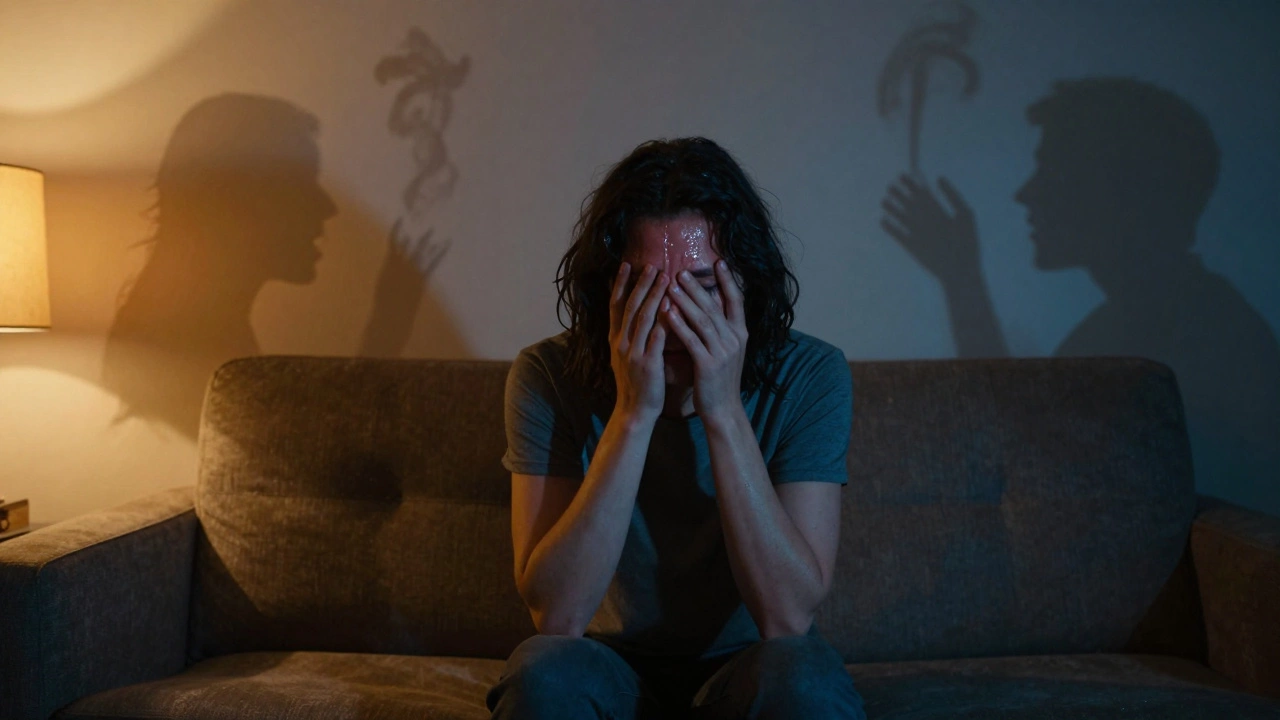
Schizophrenia is often misunderstood. It’s not multiple personalities. It’s a brain disorder that affects how a person thinks, feels, and behaves. People with schizophrenia may hear voices others don’t hear, believe things that aren’t true (delusions), or have trouble organizing their thoughts. They might speak in ways that don’t make sense, or seem emotionally flat. It’s not caused by bad parenting or trauma - it’s genetic and biological. Brain scans show differences in structure and chemical activity. Symptoms usually start in late teens or early adulthood. About 24 million people globally have schizophrenia. Treatment isn’t a cure, but antipsychotic medications and supportive therapy can reduce symptoms dramatically. Many people with schizophrenia live independently, work, and maintain relationships when they get consistent care.
Obsessive-Compulsive Disorder (OCD)
OCD isn’t about being neat or organized. It’s about intrusive thoughts (obsessions) that cause intense anxiety, followed by repetitive behaviors (compulsions) to calm that anxiety. Someone might wash their hands until they bleed because they fear germs. Another might check the stove 20 times before leaving the house. These aren’t habits - they’re rituals performed to prevent something terrible from happening, even if they know it’s irrational. The brain gets stuck in a loop. OCD affects about 2-3% of the population. It’s not a quirk. It’s debilitating. Exposure and Response Prevention (ERP), a form of CBT, is the gold standard treatment. It helps people face their fears without doing the compulsion - slowly rewiring the brain’s fear response.
Post-Traumatic Stress Disorder (PTSD)
PTSD doesn’t only happen to soldiers. It can follow any traumatic event: a car crash, sexual assault, natural disaster, even witnessing violence. People with PTSD relive the trauma through flashbacks or nightmares. They avoid places, people, or conversations that remind them of it. They’re constantly on edge - easily startled, irritable, unable to sleep. Their nervous system stays stuck in ‘danger mode.’ This isn’t weakness. It’s the brain’s attempt to protect itself. Studies show that trauma changes the hippocampus and amygdala. Treatment includes trauma-focused CBT and EMDR (Eye Movement Desensitization and Reprocessing), which helps the brain reprocess the memory. Without treatment, PTSD can last for decades.
Attention-Deficit/Hyperactivity Disorder (ADHD)
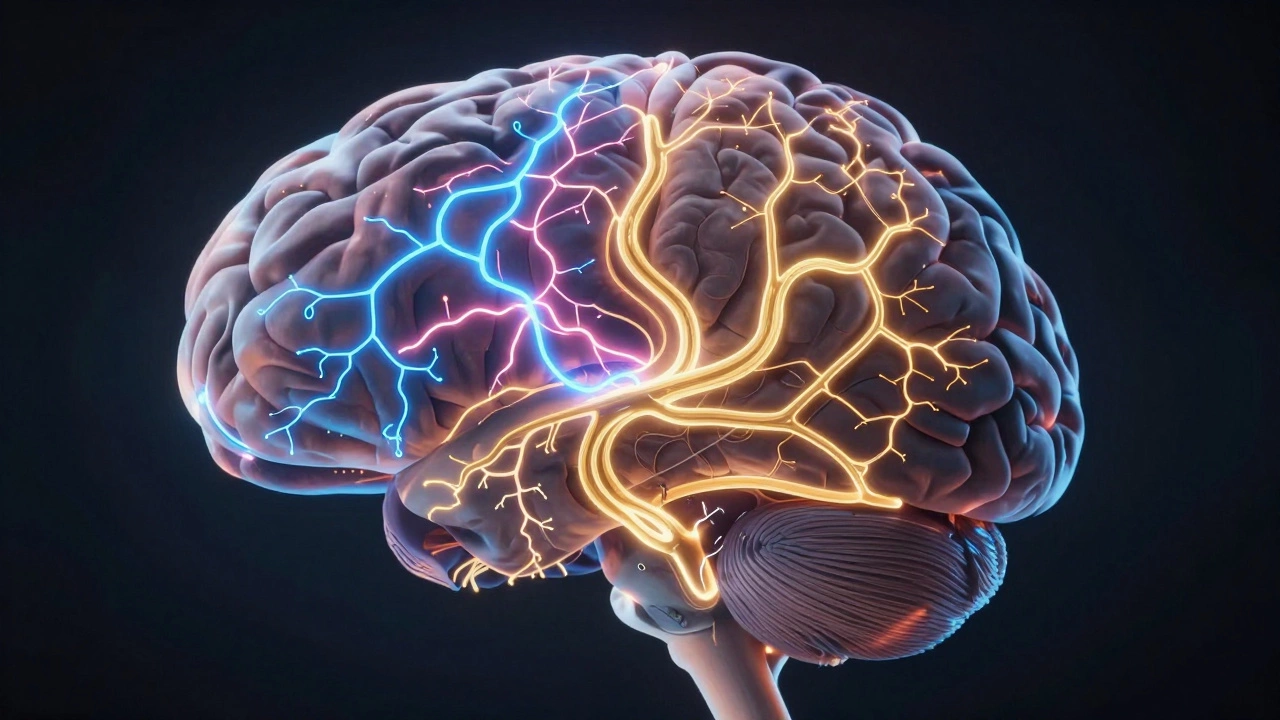
ADHD isn’t just about being restless or distracted. It’s a neurodevelopmental disorder that affects focus, impulse control, and time management. People with ADHD aren’t lazy - their brains have trouble regulating dopamine, the chemical that helps with motivation and attention. They might lose keys constantly, miss deadlines, interrupt conversations, or struggle to finish tasks. In adults, it often looks like chronic disorganization or emotional outbursts. In children, it’s often mistaken for bad behavior. But ADHD is real, measurable, and treatable. Stimulant medications like methylphenidate help many, but behavioral strategies - structure, routines, coaching - are just as important. An estimated 5% of children and 2.5% of adults have ADHD. Left untreated, it can lead to job loss, relationship problems, and substance abuse.
Why This Matters
These seven disorders are not the only mental health conditions - there are others, like eating disorders, personality disorders, and autism spectrum conditions - but they’re the most common and most misunderstood. The biggest barrier to recovery isn’t treatment. It’s stigma. People hide their struggles because they fear being labeled ‘crazy’ or ‘weak.’ In India, mental health is still seen as a family shame. But science doesn’t care about shame. It shows that these are medical conditions, not moral failures. Just like diabetes needs insulin, depression needs treatment. Anxiety needs therapy. PTSD needs trauma care. You wouldn’t tell someone with a broken leg to ‘walk it off.’ Why do we say that to people with mental illness?
What to Do If You Recognize These Signs
- Don’t wait for it to get worse. Early intervention changes outcomes.
- See a professional. A psychiatrist or clinical psychologist can diagnose and create a treatment plan.
- Start with your primary doctor. They can refer you to specialists or prescribe medication if needed.
- Reach out to a support group. You’re not alone. Groups like The Live Love Laugh Foundation in India offer free resources.
- Be patient. Recovery isn’t linear. Some days are better than others. That’s normal.
Healing isn’t about becoming ‘perfect.’ It’s about learning how to live well despite the struggle. And that’s possible.
Can mental disorders go away on their own?
Sometimes symptoms lessen over time, but most mental disorders don’t disappear without treatment. Left untreated, they often get worse or lead to other problems like substance abuse, job loss, or relationship breakdowns. Early help increases the chance of full recovery.
Are mental disorders genetic?
Genetics play a role - if a close family member has depression, bipolar disorder, or schizophrenia, your risk is higher. But genes aren’t destiny. Environment, trauma, stress, and lifestyle also shape whether symptoms develop. It’s a mix, not a guarantee.
Can children have mental disorders?
Yes. ADHD, anxiety, depression, and even early signs of bipolar disorder or OCD can appear in childhood. Symptoms might look different than in adults - irritability instead of sadness, tantrums instead of withdrawal. Early diagnosis and support make a huge difference in long-term outcomes.
Is medication necessary for all mental disorders?
No. Some conditions, like mild anxiety or depression, respond well to therapy alone. Others, like schizophrenia or severe bipolar disorder, require medication to manage symptoms. The best approach often combines both. Medication isn’t a crutch - it’s a tool to restore brain balance so therapy can work.
How do I know if I need help?
If something has been bothering you for more than two weeks - and it’s affecting your sleep, work, relationships, or daily function - it’s time to talk to someone. You don’t need to be in crisis. You just need to feel like you’re not yourself anymore.