Neurodivergent Strength & Strategy Finder
Identify Your Profile
Select the primary characteristics that resonate most with your daily experience. You may select multiple options.
Why This Matters
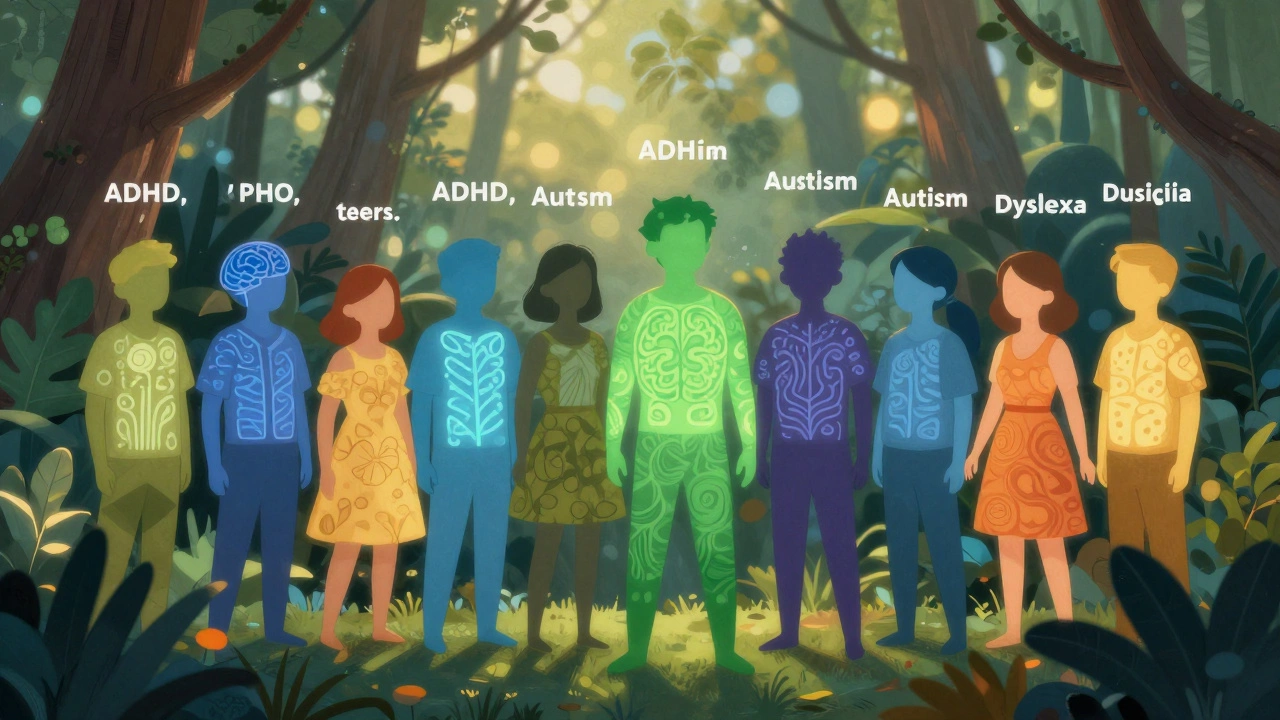
Neurodivergence isn't a defect; it's a different operating system. Understanding your specific wiring allows you to stop fighting against your nature and start leveraging your unique advantages.
Have you ever wondered if your brain is just wired differently than everyone else's? If you have been diagnosed with Attention Deficit Hyperactivity Disorder (ADHD), the short answer is yes. You are neurodivergent.
This isn't just a buzzword or a trendy label from social media. It is a fundamental understanding of how human brains work. For decades, we viewed conditions like ADHD through a medical lens-something to be fixed, cured, or suppressed. Today, the conversation has shifted toward Neurodiversity, which recognizes that neurological differences are natural variations of the human genome, much like biodiversity in nature.
Understanding this connection changes everything. It moves the goalpost from 'normalizing' behavior to accommodating different ways of thinking. Let's break down what this means for you, your relationships, and your daily life.
What Does Neurodivergent Actually Mean?
To understand why ADHD fits into this category, we first need to define the term. Neurodivergence refers to people whose brains function, learn, and process information differently than what is considered 'typical' or 'neurotypical.' The concept was coined by Australian sociologist Judy Singer in the late 1990s, largely within the autism community, but it has since expanded to include a wide range of neurological conditions.
Think of it like operating systems on computers. Most people run on Windows (neurotypical). Some run on macOS, Linux, or ChromeOS (neurodivergent). None of these systems are broken; they just handle tasks, prioritize resources, and interact with hardware differently. When an ADHD brain tries to run 'Windows software' (standard societal expectations) without compatibility patches, things crash. That’s not a failure of the computer; it’s a mismatch in design.
The core idea here is that there is no single 'correct' way for a brain to be. Instead, there is a spectrum of cognitive styles. This perspective challenges the deficit model, which assumes that because someone struggles with focus or impulse control, their brain is defective. In reality, the ADHD brain is often highly efficient at pattern recognition, crisis management, and creative problem-solving-it just struggles with routine, boredom, and linear task execution.
Why ADHD Is Considered Neurodivergent
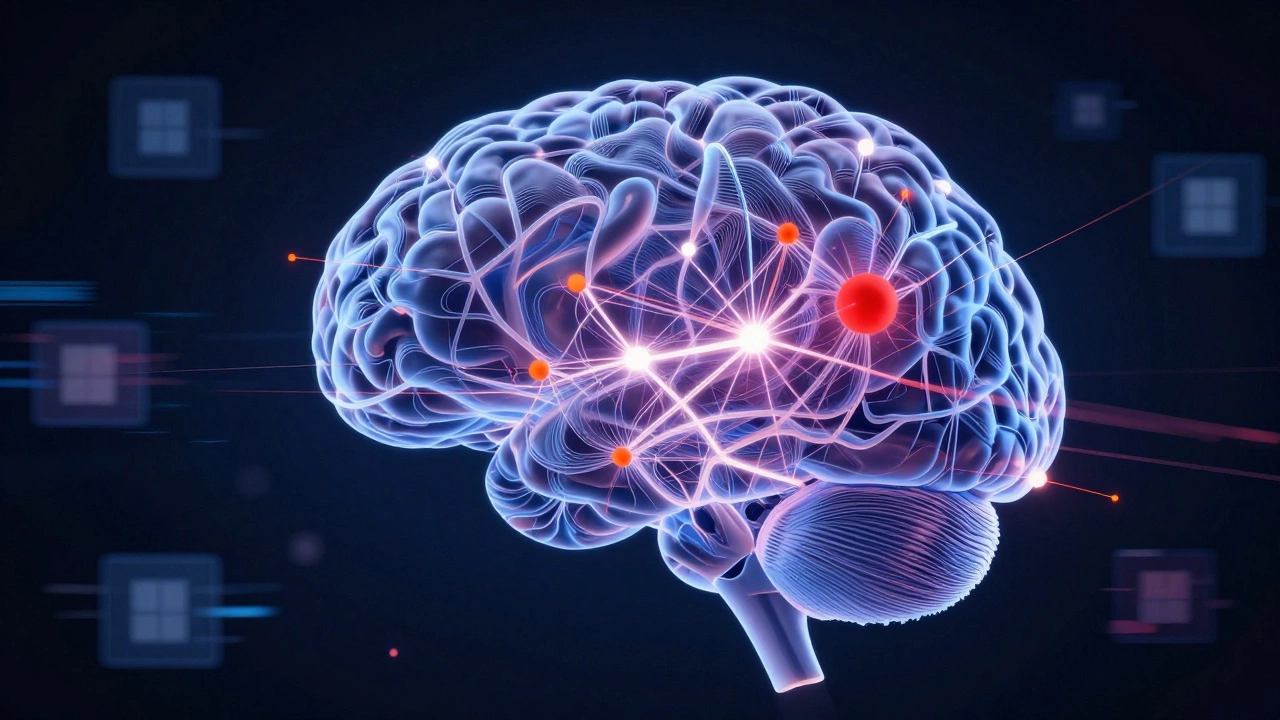
ADHD is classified as neurodivergent because it involves distinct differences in brain structure and chemistry. Research using MRI scans shows that individuals with ADHD often have slightly smaller volumes in certain areas of the prefrontal cortex-the part of the brain responsible for Executive Function. Executive functions are the mental skills that help us get things done: working memory, flexible thinking, self-control, and planning.
But it’s not just about size. It’s about connectivity. The ADHD brain tends to have less efficient communication between different regions. For example, the connection between the area that detects rewards and the area that plans actions might be weaker. This explains why immediate gratification feels so much stronger than long-term goals for many people with ADHD.
Additionally, neurotransmitters play a huge role. Dopamine and norepinephrine are chemicals that regulate attention, motivation, and movement. In neurodivergent brains with ADHD, these systems often operate differently, leading to a constant search for stimulation. This isn't a moral failing or a lack of discipline; it's a biological reality. Recognizing ADHD as a form of neurodivergence validates these experiences as inherent traits rather than character flaws.
The Spectrum of Neurodivergence
ADHD doesn't exist in isolation. It is part of a broader family of neurotypes. While each condition has its own diagnostic criteria and challenges, they share common threads related to processing information and interacting with the world. Here are some other common forms of neurodivergence:
- Autism Spectrum Disorder (ASD): Often characterized by differences in social communication, sensory processing, and repetitive behaviors. Many autistic people also have ADHD, a combination sometimes referred to as 'AuDHD.'
- Dyslexia: A learning difference that affects reading and language processing. It is not about intelligence but about how the brain decodes written symbols.
- Dyscalculia: Similar to dyslexia but affects mathematical reasoning and number sense.
- Tourette Syndrome: A neurological disorder involving involuntary movements and vocalizations (tics).
- Sensory Processing Disorder: Difficulty receiving and responding to information that comes in through the senses.
It is important to note that co-occurrence is common. About 30% to 50% of people with ADHD also have another neurodevelopmental condition. This overlap suggests that these aren't separate, isolated issues but rather different expressions of a similar underlying neurological variance. Understanding this helps in seeking appropriate support. A therapist who understands neurodiversity will look at the whole person, not just one diagnosis.
| Condition | Primary Challenge | Common Strengths | Key Brain Difference |
|---|---|---|---|
| ADHD | Focus, Impulse Control | Creativity, Hyperfocus, Crisis Management | Prefrontal Cortex Development |
| Autism | Social Cues, Sensory Input | Pattern Recognition, Detail Orientation, Honesty | Social Brain Network Connectivity |
| Dyslexia | Reading, Phonological Processing | Big-Picture Thinking, Spatial Reasoning | Left Hemisphere Language Areas |
Moving Beyond the Medical Model
For a long time, society relied on the Medical Model of disability. This model views conditions like ADHD as diseases that need to be eliminated. The goal is to make the individual fit into society by changing their behavior through medication, strict routines, or behavioral therapy. While medication can be incredibly helpful for managing symptoms, the medical model often leaves people feeling broken or inadequate if they still struggle despite treatment.
The Social Model of disability flips this script. It argues that disability arises not from the impairment itself, but from barriers in society. If a classroom is designed only for students who can sit still for six hours, then the student with ADHD is disabled by the environment, not just their brain. The solution isn't just to medicate the child; it's to redesign the classroom to allow for movement, breaks, and varied teaching methods.
This shift is crucial for mental health therapy. Traditional talk therapy might focus on 'why are you procrastinating?' whereas neurodiversity-affirming therapy asks, 'what barriers are preventing you from starting?' It acknowledges that standard advice like 'just use a planner' often fails because the executive dysfunction makes using the planner difficult. Instead, it looks for accommodations that work with the brain's natural wiring, such as body doubling, visual timers, or gamification of tasks.
Strengths and Challenges: A Balanced View
Embracing neurodivergence doesn't mean ignoring the real struggles. Living with ADHD in a neurotypical world is exhausting. The constant effort to mask symptoms, hide distractions, and force compliance leads to burnout, anxiety, and depression. However, recognizing neurodivergence also highlights the unique strengths that come with this wiring.
Many people with ADHD excel in high-stakes environments where quick decision-making is required. Emergency room doctors, entrepreneurs, artists, and journalists often report having ADHD. Why? Because the ADHD brain thrives on novelty, urgency, and complexity. When a crisis hits, the rest of the world panics, but the ADHD brain locks in. This is known as Hyperfocus, a state of intense concentration that can last for hours. It’s a double-edged sword: it can lead to incredible productivity on passion projects but also to neglecting basic needs like eating or sleeping.
Other common strengths include:
- Resilience: Having navigated a world not built for them, many neurodivergent people develop thick skin and adaptability.
- Empathy: Being misunderstood often fosters a deep sensitivity to others' feelings.
- Innovation: Divergent thinking allows for making connections that others miss.
Acknowledging these strengths is vital for self-esteem. It counters the internalized shame that many adults with ADHD carry from childhood, where they were told they were lazy, rude, or stupid. Reframing these narratives is a key part of healing.

Practical Steps for Thriving as a Neurodivergent Person
If you identify as neurodivergent, how do you live well? It’s about accommodation, not elimination. Here are some practical strategies that align with neurodiversity principles:
- Externalize Executive Functions: Don't rely on your brain to remember things. Use alarms, sticky notes, digital calendars, and physical checklists. Make the invisible visible.
- Design Your Environment: Reduce friction for good habits and increase friction for bad ones. If you want to exercise, lay out your clothes the night before. If you want to stop scrolling on your phone, put it in another room.
- Seek Body Doubling: Working alongside someone else, even silently, can help anchor your focus. This is a powerful tool for overcoming task initiation paralysis.
- Advocate for Accommodations: In school or work, request reasonable adjustments. This might include noise-canceling headphones, flexible deadlines, or standing desks. Under laws like the ADA in the US or similar regulations globally, you have rights.
- Find Your Tribe: Connect with other neurodivergent people. Sharing experiences reduces isolation and provides practical tips that actually work for our brains.
Therapy can also play a supportive role. Look for therapists who specialize in adult ADHD or neurodiversity. Cognitive Behavioral Therapy (CBT) adapted for ADHD focuses on skill-building rather than challenging negative thoughts alone. It helps you build systems that respect your brain's limitations while leveraging its strengths.
Conclusion: Embracing Your Unique Wiring
So, are ADHD people neurodivergent? Absolutely. And that is a good thing. It means you are part of a diverse tapestry of human cognition. It means your struggles are valid, your strengths are real, and you don't need to be 'fixed' to be worthy. You just need the right tools, the right environment, and the right support to thrive.
By shifting from a deficit-based view to a neurodiversity-affirming one, we open up new possibilities for education, employment, and mental health care. We move away from asking 'what is wrong with you?' to 'what do you need to succeed?' This change in perspective is not just kinder; it is more effective. It allows people with ADHD to harness their energy, creativity, and passion instead of wasting it fighting against their own nature.
If you are navigating this journey, know that you are not alone. Millions of people share your experience. With the right understanding and accommodations, you can turn your neurodivergence from a burden into a superpower.
Is ADHD a disability or just a personality trait?
ADHD is recognized as a disability under many legal frameworks, including the Americans with Disabilities Act (ADA). It is not merely a personality trait because it involves significant impairments in executive functioning that affect daily life, work, and education. However, viewing it through a neurodiversity lens emphasizes that it is a natural variation in brain wiring, not a defect.
Can neurodivergent people become neurotypical?
No, neurodivergence is a lifelong condition. It is not a phase or something that can be cured. However, with age, experience, and coping strategies, many people learn to manage their symptoms effectively. They may appear 'neurotypical' in certain settings due to masking, but their underlying brain structure remains different.
What is the difference between neurodivergent and neurotypical?
Neurotypical refers to individuals whose neurological development and functioning fall within the ranges that are socially considered 'normal.' Neurodivergent refers to those whose brains function differently, such as people with ADHD, autism, dyslexia, etc. Neither is better; they simply process information and interact with the world in different ways.
Does being neurodivergent mean you are mentally ill?
Not necessarily. Neurodivergence describes differences in brain wiring, not mental illness. However, neurodivergent people are at higher risk for comorbid mental health conditions like anxiety and depression, often due to the stress of navigating a world not designed for them. Addressing these secondary conditions is important, but neurodivergence itself is not a mental illness.
How can employers support neurodivergent employees?
Employers can support neurodivergent staff by offering flexible work hours, quiet workspaces, clear written instructions, and regular feedback. Allowing for alternative communication methods and providing assistive technology can also make a huge difference. Creating an inclusive culture that values diverse thinking styles benefits everyone.