ADHD Life Stage Impact Analyzer
How it works: Select the life stage that best describes you or the person you are supporting. The tool will break down the unique stressors, symptom impacts, and recommended survival strategies for that period.
Childhood
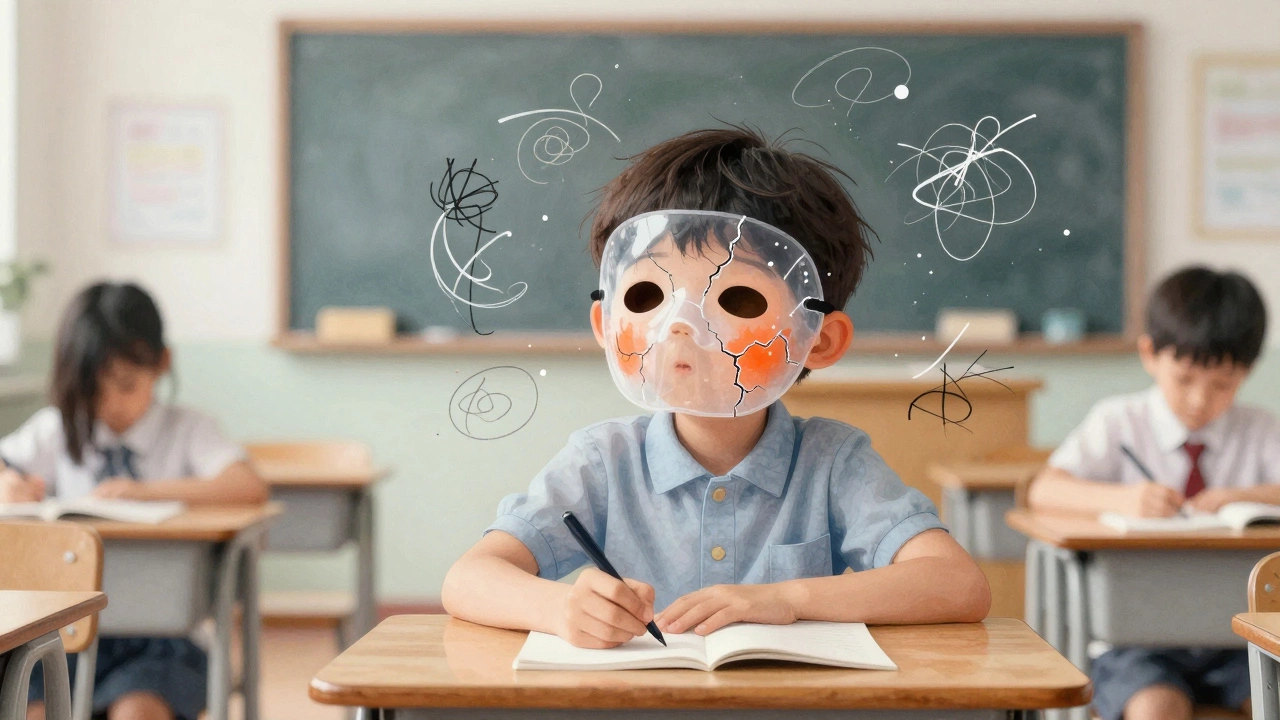
Ages 6-12The Masking Begins
Adolescence
Ages 13-19The Perfect Storm
Early Adulthood
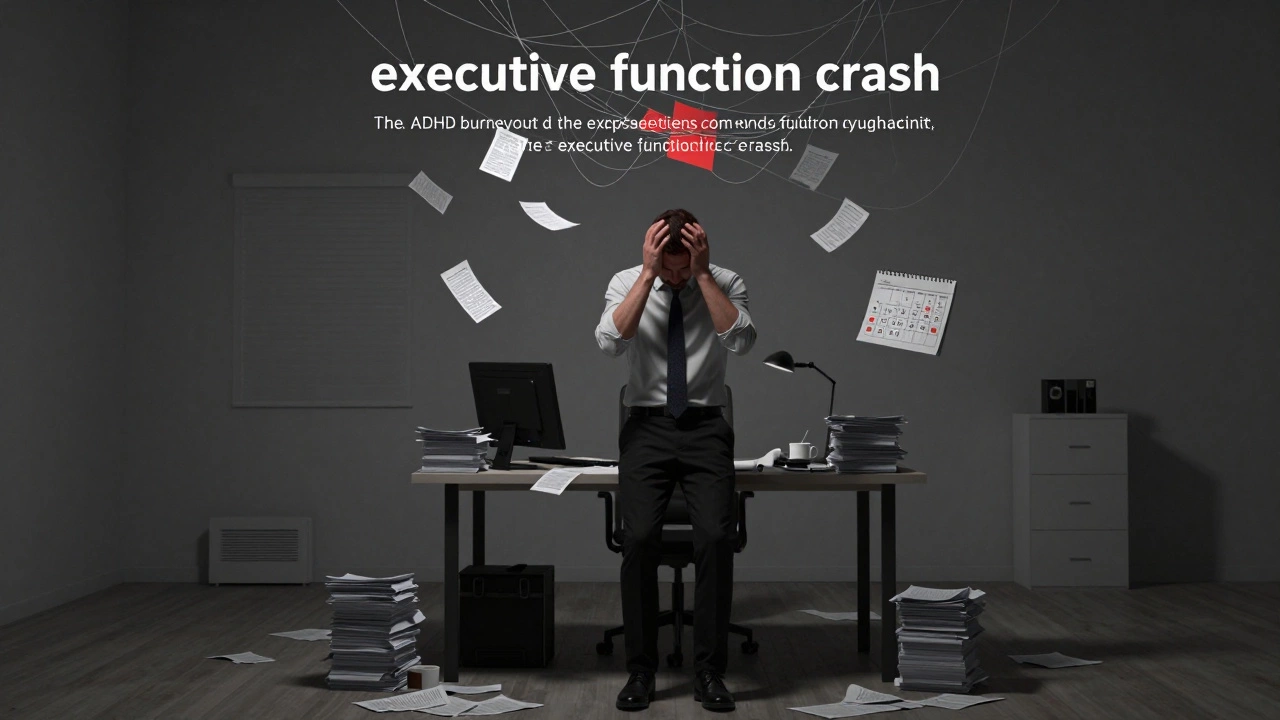
Ages 20-30Executive Function Crash
Mid-Life & Beyond
Ages 40+Burnout & Brain Fog
Select a Stage Above
Key Symptom Impacts
Survival Strategies
Insight:
...
Click on one of the cards above to see detailed analysis and coping mechanisms.
Attention Deficit Hyperactivity Disorder (ADHD) is often misunderstood as a condition that children simply "grow out of." The reality is far more complex. ADHD is a neurodevelopmental disorder characterized by inattention, hyperactivity, and impulsivity that persists into adulthood. It affects approximately 5-7% of adults worldwide, yet the struggle shifts dramatically depending on your life stage. There isn't one single age where ADHD is universally "hardest," but there are distinct periods where the gap between expectation and ability widens dangerously. For many, these peaks occur during late adolescence, early adulthood, and mid-life transitions.
If you are navigating this yourself or supporting someone who is, understanding these specific pain points can change everything. It stops being about "trying harder" and starts being about structural support. Before we break down the ages, it helps to look at how different environments handle neurodivergence. For instance, while most medical resources focus on clinical trials, some niche directories like this resource show how specialized platforms organize information for specific needs-a concept that applies equally to finding the right therapist or coach for ADHD management.
The School Years: The Masking Begins
For many children, the hardest part of ADHD isn't the diagnosis itself; it's the daily friction with an environment not built for their brain. Elementary school relies heavily on rote memorization and sitting still. Middle school introduces social complexity and organizational demands that skyrocket overnight.
During ages 8 to 14, the child often begins "masking." They might stare blankly at a teacher, terrified to raise their hand because they forgot what they were going to say. Or they might be labeled "lazy" or "disruptive" because their executive dysfunction prevents them from starting homework without external pressure. The harm here is cumulative. Each failed assignment chips away at self-esteem. By the time they reach high school, many kids have internalized the belief that they are broken or unintelligent, rather than recognizing they have a different operating system.
- Social Rejection: Impulsivity leads to interrupting peers, which results in isolation.
- Academic Gap: Working memory deficits make multi-step instructions impossible to follow without repetition.
- Emotional Dysregulation: Small frustrations trigger massive emotional responses, leading to shame spirals.
Adolescence: The Perfect Storm
If childhood is about masking, adolescence is about the mask cracking under pressure. Ages 15 to 19 are frequently cited by clinicians as the most dangerous period for untreated ADHD. Why? Because the stakes get real. Driving, dating, part-time jobs, and college applications all require executive functions that ADHD directly impairs.
Consider the teenage driver. The combination of impulsivity, sensation-seeking, and poor risk assessment makes teens with ADHD four times more likely to be involved in car accidents. Then there is the academic cliff. High school requires independent study. A student who coasted through middle school with raw intelligence now drowns in three weeks of accumulated essays they never started. This is also when substance use often spikes, as teens self-medicate to quiet the noise in their heads or to fit in socially.
The social landscape changes too. Peer groups become tighter and more judgmental. The teen with ADHD may miss subtle social cues, leading to misunderstandings that feel catastrophic. This period is critical because it sets the trajectory for adulthood. Without intervention-whether therapy, medication, or coaching-the transition to independence can feel like falling off a cliff.
Early Adulthood: The Executive Function Crash
Ages 20 to 30 bring a new set of brutal realities. The structure of school disappears. No more teachers reminding you of deadlines. No more parents packing your lunch. You are expected to manage rent, work, relationships, and household chores simultaneously. For the adult with ADHD, this is often described as "the crash."
Job performance becomes a minefield. Procrastination isn't laziness; it's a paralysis caused by difficulty initiating tasks. An employee might spend hours organizing their desktop icons instead of writing the report due in two days. This inconsistency leads to job loss or stagnation. Financially, impulsive spending and missed bill payments create debt cycles that are hard to escape.
Relationships suffer too. Partners often feel like they are parenting their significant other. Forgotten anniversaries, interrupted conversations, and uneven distribution of mental load lead to resentment. Many adults in this bracket finally seek diagnosis after a partner threatens to leave or a boss issues a final warning. The relief of getting a label is mixed with grief for the years lost to misunderstanding.
| Life Stage | Primary Stressor | Key Symptom Impact |
|---|---|---|
| Childhood (6-12) | School Structure | Inattention, Disruption |
| Adolescence (13-19) | Social/Academic Independence | Impulsivity, Risk-Taking |
| Early Adulthood (20-30) | Executive Function Load | Procrastination, Time Blindness |
| Mid-Life (40+) | Career/Family Balance | Burnout, Memory Lapses |

Mid-Life and Beyond: Burnout and Brain Fog
Many assume ADHD gets easier with age. While hyperactivity often decreases, the cognitive load increases. Ages 40 to 60 can be surprisingly difficult due to "ADHD burnout." Decades of compensating for deficits exhaust the brain. What was once manageable chaos becomes unmanageable fatigue.
Additionally, hormonal changes play a role. For women, perimenopause and menopause can worsen ADHD symptoms significantly. Estrogen supports dopamine production; as estrogen drops, so does dopamine. Suddenly, tasks that were handled with ease become insurmountable. Men face similar pressures with career plateaus and aging parents requiring care, adding layers of responsibility that demand organization and patience.
Memory lapses increase. Walking into a room and forgetting why you're there becomes a daily occurrence. This isn't just annoyance; it's a safety issue and a source of deep anxiety. However, this stage also brings wisdom. Older adults with ADHD often develop robust coping mechanisms and self-compassion that younger versions lacked.
Gender Differences in Severity
We cannot discuss "hardest ages" without addressing gender. Boys are diagnosed early because they act out. Girls are often overlooked until their internal chaos explodes in their 20s or 30s. For women, the hardest period is often postpartum or during menopause, when biological shifts intersect with societal expectations of multitasking perfection. The "superwoman" myth is particularly damaging for women with ADHD, who may appear highly functional externally while crumbling internally.
Strategies for Each Stage
Survival looks different at every age. In childhood, it's about external structure: visual schedules, token economies, and consistent routines. In adolescence, it's about skill-building: teaching time management, driving safety courses, and social skills training. In adulthood, it's about accommodation: using technology for reminders, delegating tasks, and seeking therapy focused on Acceptance and Commitment Therapy (ACT) to reduce shame.
Medication remains a cornerstone for many, but it's not a cure-all. Stimulants like methylphenidate or amphetamines help regulate neurotransmitters, but they must be paired with behavioral strategies. Non-stimulant options like atomoxetine offer alternatives for those with anxiety or substance use histories.
Finding Support Networks
You do not have to navigate this alone. The stigma around ADHD is fading, but finding the right help takes effort. Look for therapists who specialize in neurodiversity-affirming care. Join support groups where you can share strategies without judgment. Whether you are a parent watching your child struggle or an adult realizing why your life feels chaotic, validation is the first step toward management.
Remember, ADHD is not a character flaw. It is a wiring difference. Some ages are harder than others, but with the right tools and understanding, every stage can be navigated with dignity and success.
Is ADHD worse in teenagers or adults?
It depends on the individual, but many find adolescence more dangerous due to risk-taking behaviors like reckless driving and substance abuse. Adults often face more chronic stress related to work and finances, leading to burnout. Both stages are critical but present different types of hardship.
Do people grow out of ADHD?
No, ADHD is a lifelong neurodevelopmental condition. While symptoms may change-hyperactivity often decreases with age-the core issues with attention and executive function persist. Effective management strategies evolve, but the underlying brain differences remain.
Why is ADHD harder for women?
Women are often diagnosed later because they tend to have inattentive-type ADHD rather than hyperactive-type. They mask their symptoms better, leading to misdiagnosis as anxiety or depression. Hormonal fluctuations during menstruation, pregnancy, and menopause can also significantly worsen symptoms.
What is the best treatment for adult ADHD?
A multimodal approach is most effective. This typically includes medication (stimulants or non-stimulants), cognitive behavioral therapy (CBT) tailored for ADHD, lifestyle changes (exercise, sleep hygiene), and practical accommodations like planners and digital reminders.
Can ADHD cause relationship problems?
Yes, untreated ADHD can strain relationships due to forgetfulness, interrupting, inconsistent follow-through, and emotional dysregulation. Couples therapy that addresses ADHD-specific dynamics can help partners understand these behaviors as symptoms rather than intentional neglect.