Mental Health Functioning Assessment
Rate your difficulty with daily activities (1 = no difficulty, 5 = complete inability)
When people talk about mental illness, they often think of feeling sad or stressed. But some mental illnesses don’t just make life harder-they take away your ability to work, care for yourself, or even connect with others. These aren’t temporary lows or bad days. They’re chronic, life-altering conditions that can leave someone unable to function without constant support.
Severe Depression: More Than Just Sadness
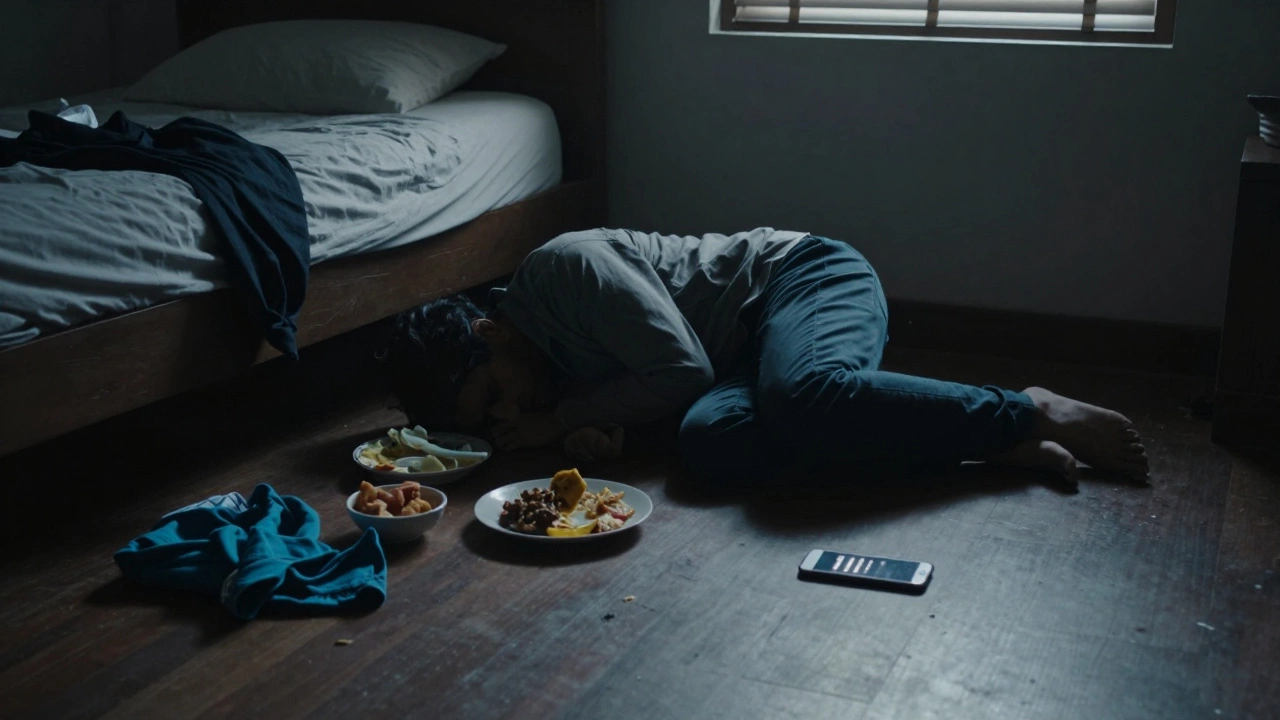
Major depressive disorder isn’t just feeling down. When it’s severe, it can paralyze a person. They may lie in bed for days, unable to shower, eat, or answer the phone. Some lose the will to live. The World Health Organization says depression is the leading cause of disability worldwide. In India, over 5% of the population lives with severe depression, and many never get diagnosed because stigma keeps them silent. Sleep, appetite, focus-all gone. Medication and therapy help, but recovery takes months, sometimes years. For some, it never fully lifts.
Schizophrenia: Losing Touch With Reality
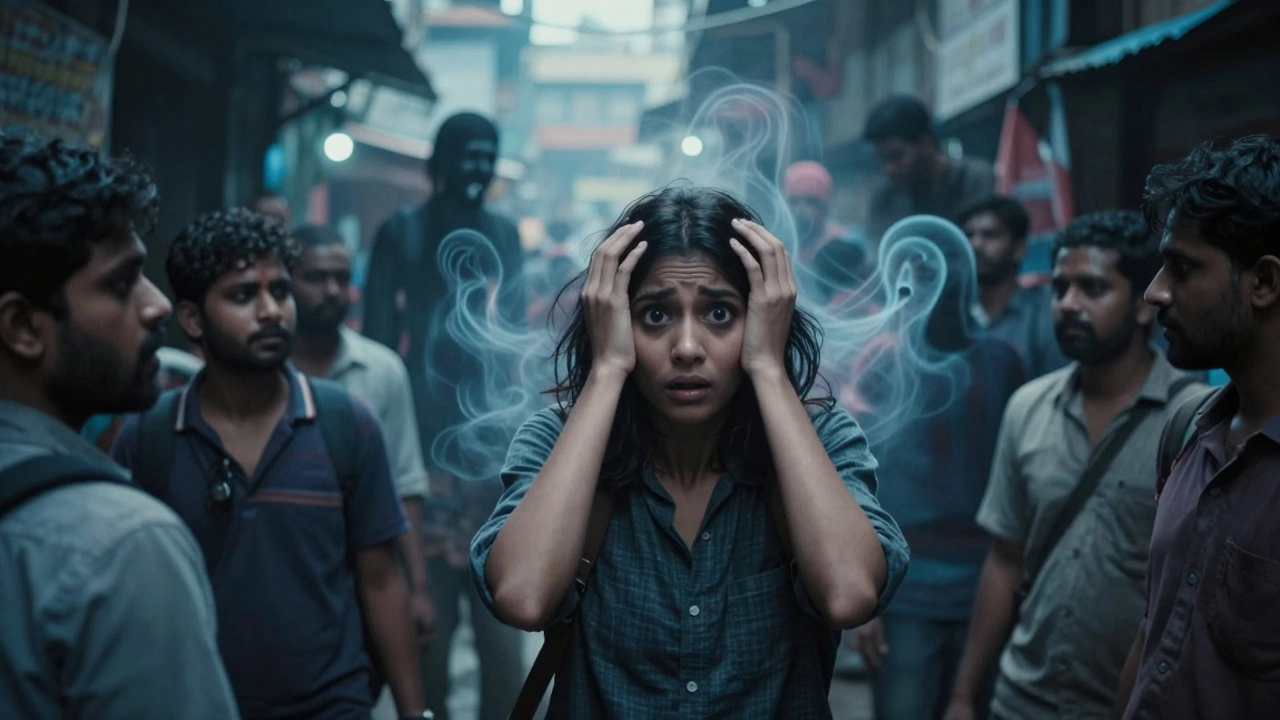
Schizophrenia isn’t about having multiple personalities. It’s about losing the ability to tell what’s real. People hear voices that aren’t there. They believe false ideas-like being watched, controlled, or hunted. These delusions and hallucinations don’t go away with willpower. Many can’t hold a job, live alone, or trust anyone. In India, fewer than 30% of people with schizophrenia receive consistent treatment. Without it, they end up homeless, in jail, or trapped in cycles of hospitalization. Antipsychotic drugs help, but side effects like weight gain and tremors make compliance hard. It’s a lifelong battle with no cure.
Bipolar Disorder: The Roller Coaster That Never Stops
Bipolar disorder swings between crushing depression and dangerous mania. During manic episodes, people spend money they don’t have, sleep for hours a week, or start wild businesses they abandon days later. Then comes the crash-weeks of lying on the floor, crying, unable to get up. Many are misdiagnosed as having depression alone, leading to harmful treatments. Lithium and mood stabilizers can help, but only if taken daily. Missing doses can trigger a relapse. Studies show people with untreated bipolar disorder have a life expectancy 10-20 years shorter than average, mostly due to suicide or accidents during manic phases.
Obsessive-Compulsive Disorder: Trapped in Your Own Mind
OCD isn’t about being neat. It’s about being haunted by thoughts you can’t shake. Someone might wash their hands until they bleed, fearing germs. Another might check the stove 50 times before leaving the house. These rituals aren’t choices-they’re compulsions that feel like life-or-death. One study found that 25% of people with severe OCD spend more than 6 hours a day trapped in rituals. Many can’t hold jobs because they’re too exhausted or afraid to leave home. ERP therapy (Exposure and Response Prevention) works, but it’s grueling. Most people avoid it because facing their fears feels unbearable.
Post-Traumatic Stress Disorder: The War That Never Ends
PTSD isn’t just remembering a trauma. It’s living it over and over. A veteran hears a car backfire and dives for cover. A survivor of abuse freezes when a door slams. Nightmares, flashbacks, panic attacks-these aren’t memories. They’re sensory explosions that hijack the brain. Many avoid people, places, even mirrors. In India, PTSD is underdiagnosed because trauma is often seen as something you should “get over.” But the brain doesn’t work that way. Without treatment, PTSD can last decades. Prolonged exposure therapy and EMDR help, but access is limited outside big cities.
Borderline Personality Disorder: The Pain No One Sees
People with borderline personality disorder feel emotions so intensely they can’t hold them. One moment they love someone; the next, they’re convinced that person wants them dead. Relationships are chaotic. Self-harm and suicide attempts are common. Many have spent years in and out of hospitals. Therapy-especially dialectical behavior therapy (DBT)-can help, but it takes years. Most don’t get it. Insurance doesn’t cover it. Therapists trained in DBT are rare. In rural India, the chance of getting proper care is near zero. This isn’t attention-seeking. It’s a cry for help from someone drowning in emotional pain.
Severe Anxiety Disorders: Trapped in Constant Fear
Generalized anxiety disorder isn’t just worrying. It’s a body locked in fight-or-flight mode 24/7. Heart races. Muscles ache. Sleep disappears. Many avoid driving, flying, crowds, even grocery stores. Panic attacks can strike without warning. Some become housebound. In India, anxiety is often dismissed as “overthinking.” But when it’s severe, it’s a physical prison. SSRIs help, but they take weeks to work-and side effects like nausea and sexual dysfunction make people quit. Therapy helps, but only if you can afford it and find someone who knows how to treat it.
Autism Spectrum Disorder: When the World Is Too Much
Autism isn’t just social awkwardness. For many, it’s sensory overload. Fluorescent lights scream. Crowds feel like physical pressure. A simple conversation is a maze of unspoken rules. Many can’t hold jobs because workplaces aren’t designed for them. Others need full-time support to eat, dress, or stay safe. In India, early diagnosis is rare. Schools don’t have resources. Adults are left unemployed and isolated. Some find ways to adapt. Many don’t. The stigma around autism means families hide it. Access to behavioral therapy, speech therapy, and occupational therapy is limited to cities like Bangalore, Delhi, and Mumbai.
Anorexia Nervosa: Starving to Survive
Anorexia isn’t about wanting to be thin. It’s about control in a world that feels out of control. The brain convinces the person they’re fat-even when they’re skin and bones. Eating triggers panic. Weight gain feels like a catastrophe. The body shuts down. Organs fail. Heart rates drop. Death rates are the highest of any mental illness. Recovery is slow. Relapse is common. In India, families often don’t recognize the signs until it’s too late. Therapy and nutritional rehab work, but only if caught early. Many never get help because it’s seen as a “phase” or “attention-seeking.”
Substance Use Disorders: When the Escape Becomes the Prison
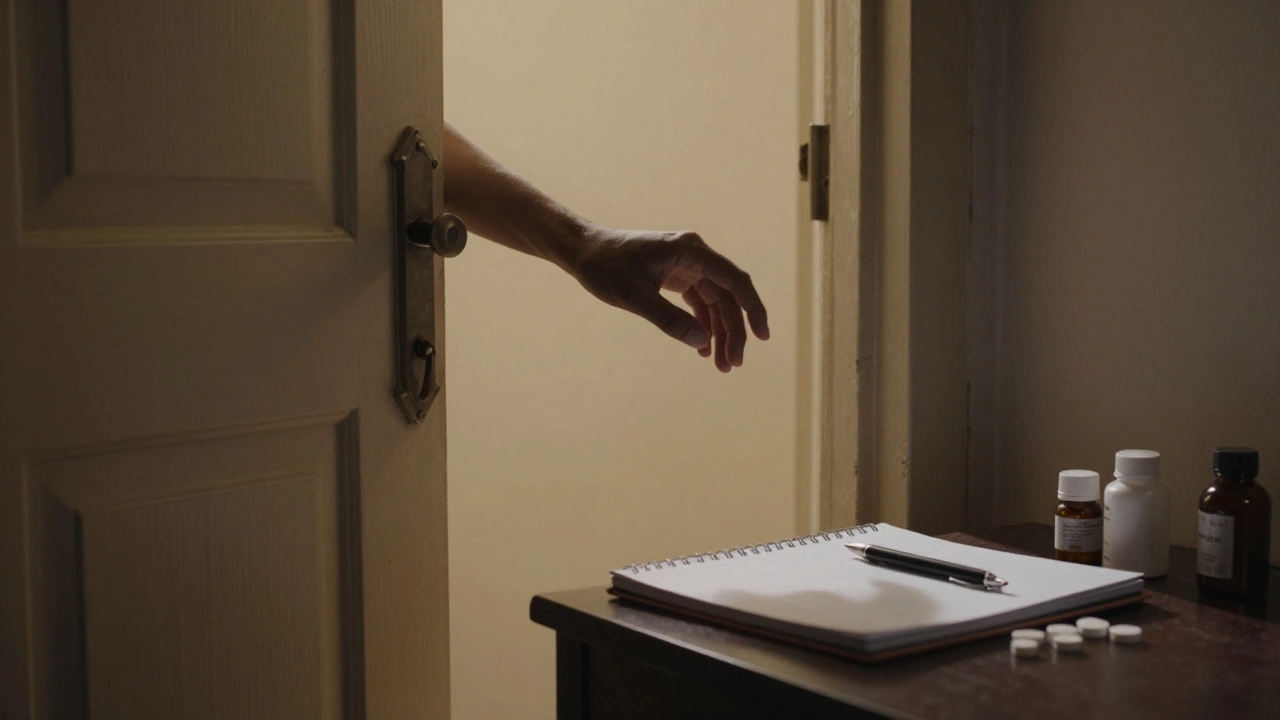
Alcohol, opioids, stimulants-these aren’t just habits. They’re brain-altering dependencies that rewrite motivation, memory, and decision-making. People lose jobs, families, homes. They steal. They lie. They die. In India, opioid use is rising fast in rural areas, while alcohol abuse is silently destroying families. Treatment is hard to find. Rehab centers are expensive. Withdrawal can be deadly without medical help. Relapse rates are above 70%. Recovery is possible, but it needs long-term support, therapy, and community-things most people don’t have access to.
Why These Illnesses Are So Disabling
What makes these conditions so crippling isn’t just the symptoms-it’s the system that fails to support them. Therapy is expensive. Medications are out of reach. Doctors are scarce. Stigma silences people. Families don’t know how to help. In India, there’s one psychiatrist for every 300,000 people. Most rural areas have none. Even in cities, long waits and cultural shame keep people from seeking care. These illnesses don’t disappear because someone is “strong.” They require medical treatment, social support, and time. Without all three, recovery is nearly impossible.
What Can Be Done?
Change starts with recognition. These aren’t character flaws. They’re brain disorders. Schools need mental health education. Employers need to accommodate employees with chronic conditions. Insurance must cover therapy and medication. Governments need to train more mental health workers. Community groups can offer peer support. For someone with schizophrenia, a neighbor who checks in once a week can mean the difference between isolation and survival. For someone with depression, a friend who says, “I’m here,” can be the first step back to life.
Are these mental illnesses curable?
Most of these conditions aren’t curable, but they’re treatable. With the right combination of medication, therapy, and support, many people can live full, stable lives. Recovery looks different for everyone-some manage symptoms well, others need lifelong care. The goal isn’t always to be “cured,” but to regain control and meaning in daily life.
Can someone with a severe mental illness work?
Yes, some can-with the right accommodations. Flexible hours, remote work, quiet spaces, and understanding managers make a huge difference. Many people with depression, OCD, or bipolar disorder work successfully. But without support, the stress of a typical job can make symptoms worse. Disability benefits exist, but applying for them is often a long, confusing process.
Why is mental illness so stigmatized in India?
Cultural beliefs play a big role. Many still think mental illness is caused by bad karma, weak willpower, or spiritual possession. Families hide it to avoid shame. Talking about it is seen as airing dirty laundry. Even educated people avoid the topic. This silence delays treatment, worsens outcomes, and isolates those suffering. Change is slow, but awareness campaigns and young influencers are slowly shifting attitudes.
What’s the difference between depression and severe depression?
Mild depression might make you feel tired or down for a few weeks. Severe depression means you can’t get out of bed, stop eating, lose interest in everything, and may have thoughts of suicide. It’s not just sadness-it’s a physical and emotional shutdown. The brain’s chemistry changes. Medication and therapy are essential, not optional.
Is therapy effective for these illnesses?
Yes, but not all therapy is the same. For PTSD, EMDR works. For OCD, ERP is gold standard. For borderline personality disorder, DBT saves lives. For depression and anxiety, CBT helps. But finding a trained therapist is hard in India. Many general counselors aren’t equipped. Online platforms are improving access, but quality varies. The right therapy, at the right time, can change everything.
Can family members help someone with a severe mental illness?
Absolutely. But they need to learn how. Educating yourself about the illness, avoiding blame, offering practical help (like driving to appointments or cooking meals), and staying calm during crises makes a huge difference. Support groups for families exist in major cities. Even a simple, consistent presence-showing up, listening without judgment-can be the lifeline someone needs.
What Comes Next?
If you or someone you know is struggling, don’t wait. Reach out to a local mental health clinic. Call a helpline. Text a friend. The first step is always the hardest. But you don’t have to do it alone. Recovery isn’t linear. There will be setbacks. But progress is possible-even in the darkest moments.