Untreated ADHD: What Happens When It's Ignored and How It Affects Life in India
When someone has untreated ADHD, a neurodevelopmental condition marked by persistent inattention, impulsivity, and sometimes hyperactivity that interferes with daily life. Also known as unmanaged attention deficit disorder, it doesn’t disappear with age—it just changes shape. In India, where mental health is still stigmatized and awareness is patchy, many adults live with untreated ADHD for decades, blaming themselves for being "lazy," "disorganized," or "unfocused." But it’s not a character flaw. It’s a brain wiring issue that affects focus, time management, emotional control, and even sleep.
Untreated ADHD often shows up as missed deadlines, broken relationships, job losses, or sudden outbursts. In kids, it’s mistaken for disobedience. In adults, it’s labeled as poor discipline. But the real problem? It doesn’t stay isolated. Untreated ADHD increases the risk of anxiety, depression, substance abuse, and even chronic stress-related illnesses like high blood pressure. Studies show adults with undiagnosed ADHD are twice as likely to have traffic accidents and three times more likely to struggle with long-term employment. In Indian households, where academic pressure is intense and emotional support is often lacking, untreated ADHD can silently derail a child’s confidence before they even reach adolescence.
It’s not just about sitting still or paying attention. It’s about how the brain filters noise, manages impulses, and holds onto tasks. People with untreated ADHD aren’t choosing to forget their keys or cancel plans last minute—they’re fighting a neurological delay in executive function. And because India’s healthcare system rarely screens for ADHD outside major cities, most people never get tested. They’re told to "try harder," when what they need is proper evaluation, behavioral strategies, or sometimes medication.
You’ll find real stories below—from adults who finally got diagnosed after 30, to parents who realized their child’s "bad behavior" was actually ADHD. We cover how it’s misdiagnosed as anxiety, how it shows up differently in women, and why so many Indians self-medicate with caffeine or stimulants instead of seeing a doctor. These aren’t hypotheticals. They’re lived experiences. And if you’ve ever felt like your mind is running on a different operating system than everyone else’s, you’re not alone.
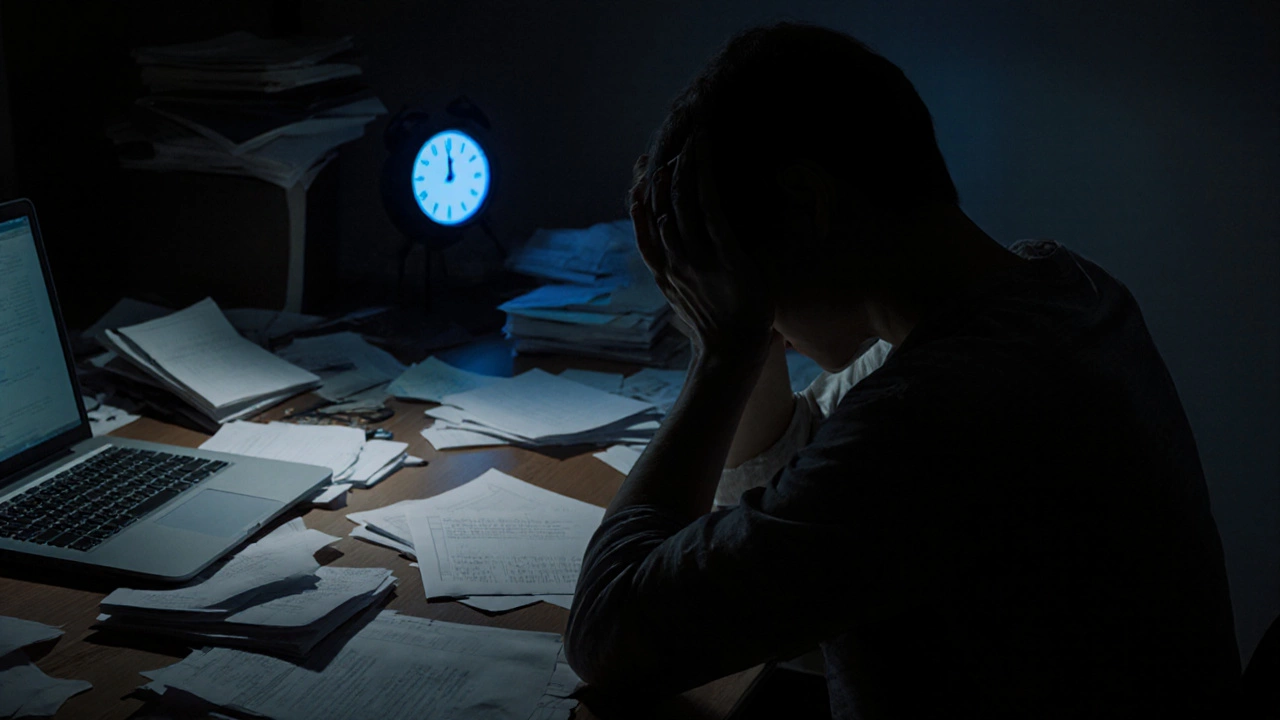
What Can Untreated ADHD Lead To? Real Risks and Long-Term Effects
Untreated ADHD can lead to chronic stress, relationship breakdowns, job underperformance, substance abuse, depression, obesity, and financial trouble. Learn the real long-term risks and why early support makes all the difference.