10-Year Heart Surgery Outlook Tool
Your Surgical Profile
Check all that apply to your current situation:
Ready to Review?
Select your surgery type and current habits to see a personalized assessment of potential risks at the 10-year mark.
Note: This tool provides educational estimates based on general medical statistics. Always consult your cardiologist for specific medical advice.
Risk Assessment
Based on your profile, here is the estimated likelihood of complications.
Maintenance Needs
Recommended monitoring frequency and interventions.
Specific Outlook
It is a common fear among patients who have undergone major cardiac procedures: will the relief last? You survived the operation. You navigated the grueling weeks of initial rehabilitation. But what about the decade mark? The reality is that open-heart surgery is not a one-time fix that grants immunity from future heart issues; it is a significant intervention that buys you time and improves quality of life, provided you manage your health aggressively in the years that follow.
For many, ten years post-surgery looks like active living, travel, and enjoying grandchildren. For others, it involves managing new symptoms or facing re-interventions. The difference usually comes down to two factors: the specific type of surgery performed and how diligently the patient managed risk factors like blood pressure, cholesterol, and lifestyle habits during those intervening years.
The Biological Reality of Grafts and Valves
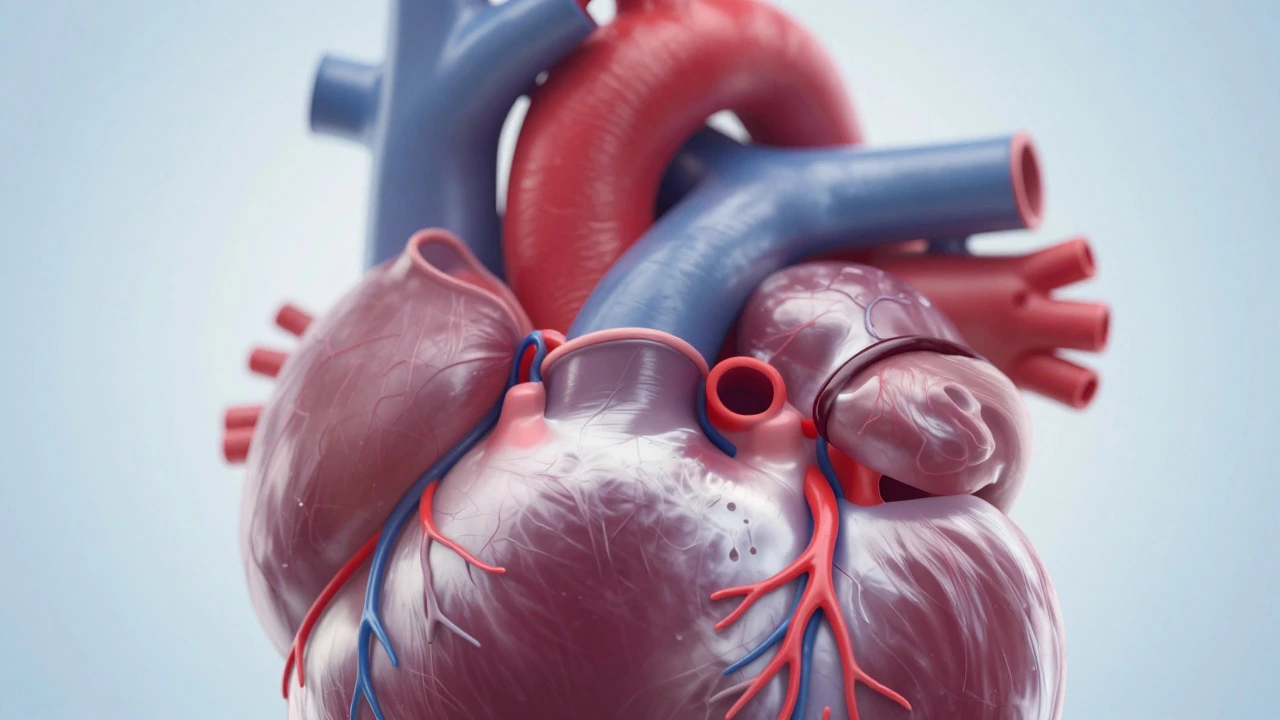
To understand where you stand at year ten, you first need to understand what was done to your anatomy. Most open-heart surgeries fall into two main categories: Coronary Artery Bypass Grafting (CABG), often called "bypass surgery," and heart valve replacement.
If you had CABG, surgeons used veins from your legs or arteries from your chest to create detours around blocked coronary arteries. Here is the hard truth about these grafts: they are subject to wear and tear. Vein grafts, particularly those taken from the leg, tend to narrow over time due to atherosclerosis. Studies consistently show that while arterial grafts (like the internal mammary artery) have excellent longevity-often lasting 15 to 20 years or more-vein grafts have a higher failure rate. By the ten-year mark, approximately 50% to 60% of vein grafts may show significant narrowing or blockage. This doesn't mean you will definitely have a heart attack, but it does mean your heart's blood supply is more vulnerable than it was immediately after surgery.
If you had a valve replacement, the story changes based on the material used. Mechanical valves are durable and can last a lifetime, but they require lifelong anticoagulant therapy (blood thinners) to prevent clots. Bioprosthetic (tissue) valves, derived from cow or pig tissue, do not require long-term blood thinners but degrade over time. At the ten-year mark, many bioprosthetic valves begin to show signs of structural deterioration, such as calcification or leakage. Patients with tissue valves often face the decision of whether to undergo a second procedure, though modern techniques like TAVR (Transcatheter Aortic Valve Replacement) now allow for less invasive replacements even decades later.
Common Symptoms and Warning Signs at the Decade Mark
As you approach or pass the ten-year milestone, your body may send signals that something has shifted. It is crucial to distinguish between normal aging and cardiac warning signs. Fatigue is a tricky symptom because everyone gets tired as they age. However, if you find yourself getting winded walking up a single flight of stairs when you could easily do three flights five years ago, that is a red flag.
- Angina equivalents: Not all heart pain feels like a crushing weight on the chest. Many patients report jaw pain, left arm numbness, or indigestion-like sensations. If these occur during exertion and resolve with rest, seek immediate evaluation.
- Fluid retention: Swelling in the ankles, feet, or abdomen can indicate that the heart is struggling to pump efficiently, a condition known as heart failure. This is a common complication years after bypass surgery if the underlying muscle weakness wasn't fully addressed.
- Atrial Fibrillation: Irregular heartbeat is increasingly common in post-surgical patients. Scar tissue from the original surgery can disrupt electrical signals in the heart. AFib increases stroke risk significantly and requires careful management.

The Role of Lifestyle and Risk Factor Management
Surgery fixes the plumbing, but it does not fix the disease. Atherosclerosis is a systemic inflammatory process. If you went home after surgery and returned to a diet high in saturated fats, remained sedentary, or smoked, the remaining native arteries-and potentially the grafts-will continue to clog. The most successful long-term outcomes belong to patients who treated their lifestyle as medicine.
Blood pressure control is non-negotiable. Hypertension puts immense strain on surgical repairs and grafts. Keeping systolic pressure below 130 mmHg is generally recommended for this demographic. Similarly, LDL cholesterol levels should be kept very low, often below 70 mg/dL, using statins or newer therapies like PCSK9 inhibitors if necessary. These medications are not optional suggestions; they are critical maintenance tools for your surgical repair.
Diagnostic Monitoring: What to Expect
You cannot feel a slowly narrowing graft. That is why proactive monitoring is essential. Ten years post-surgery, your cardiologist will likely recommend more frequent imaging than before. An echocardiogram provides a snapshot of your heart's pumping function and valve integrity. A stress test, possibly combined with nuclear imaging or CT angiography, can reveal areas of reduced blood flow that aren't apparent at rest.
For patients with vein grafts, a CT coronary angiogram is particularly useful. It can visualize the patency (openness) of the grafts without needing an invasive catheterization. If significant blockages are found, interventions range from medication adjustments to percutaneous coronary intervention (PCI), commonly known as stenting, or in rare cases, repeat bypass surgery.
| Surgery Type | Primary Risk at 10 Years | Typical Intervention if Compromised | Lifestyle Impact |
|---|---|---|---|
| CABG (Vein Grafts) | Graft stenosis/blockage | Stenting or Repeat Bypass | High dependence on meds & diet |
| CABG (Arterial Grafts) | Native disease progression | Medication adjustment | Generally stable activity levels |
| Mechanical Valve | Bleeding (from thinners) or Endocarditis | Anticoagulation management | Regular INR testing required |
| Bioprosthetic Valve | Structural valve deterioration | TAVR or Redo Surgery | No daily blood thinners needed |

Psychological and Emotional Well-being
We often overlook the mental toll of chronic cardiac conditions. Living with a "fixed" heart can create anxiety about every twinge or palpitation. This hypervigilance can lead to health anxiety or depression. Research indicates that cardiovascular patients have higher rates of depressive disorders, which ironically worsen physical outcomes by reducing adherence to medication and exercise regimens.
Joining support groups or engaging in counseling can be as vital as taking your aspirin. Connecting with others who share this timeline helps normalize experiences and reduces isolation. Cognitive behavioral therapy (CBT) has shown effectiveness in helping patients manage the fear of recurrence and focus on actionable health behaviors rather than catastrophic thinking.
Next Steps for the Decade-Mark Patient
If you are approaching ten years post-surgery, do not wait for symptoms to appear. Schedule a comprehensive review with your cardiologist. Bring a list of all current medications, including supplements. Discuss your current activity level honestly. Ask specifically about the status of your grafts or valves based on your latest imaging. Consider consulting a cardiac rehabilitation specialist to tailor an exercise plan that safely pushes your limits without overstressing your heart. Remember, the goal isn't just survival; it's thriving.
Do vein grafts from bypass surgery last forever?
No, vein grafts do not last forever. While arterial grafts (like the internal mammary artery) can last 15-20 years or more, vein grafts typically have a lower success rate over time. Approximately 50-60% of vein grafts may become narrowed or blocked within 10 years due to accelerated atherosclerosis. Regular monitoring is essential to detect these changes early.
Is it common to need a second heart surgery after 10 years?
It is relatively common but not inevitable. About 10-15% of patients may require a repeat revascularization procedure (such as another bypass or stenting) within 10 years. For valve patients, the need for re-intervention depends on the valve type; bioprosthetic valves often require replacement after 10-15 years, whereas mechanical valves rarely do unless complications arise.
What tests should I get at the 10-year mark?
You should expect an echocardiogram to check heart function and valve integrity. A stress test, possibly with imaging (nuclear or echo), helps assess blood flow under exertion. A CT coronary angiogram is highly effective for visualizing the openness of bypass grafts. Blood work to monitor cholesterol, kidney function, and blood sugar is also standard.
Can I still exercise vigorously 10 years after surgery?
Yes, many patients maintain vigorous activity levels. However, clearance from a cardiologist is necessary. Cardiac rehabilitation programs can help you safely increase intensity. Generally, aerobic exercises like brisk walking, swimming, or cycling are encouraged. Strength training should be moderate, avoiding heavy lifting that causes straining (Valsalva maneuver).
Does smoking affect the longevity of my surgical repair?
Smoking drastically reduces the longevity of both grafts and valves. It accelerates atherosclerosis, increasing the risk of graft blockage and new plaque formation in native arteries. Quitting smoking is the single most impactful lifestyle change a post-surgical patient can make to extend their life and improve quality of life.