30/30/30 Morning Routine Planner
Plan your perfect morning by checking off each component of the 30/30/30 rule. Click on the cards below to select your options and start your timer.
Step 1: Protein
30g within 30 mins of wakingStep 2: Cardio
30 mins Low-Intensity Steady StateStep 3: Healthy Fats
30g in breakfast/lunchMorning Routine Timer
Target: 30 MinsYour Planned Routine:
- Protein: Omelet (Eggs + Whites)
- Cardio: Brisk Walk
- Fats: Half Avocado
Tip: Drink water or black coffee before eating to stay hydrated without breaking the fasted state prematurely.
You’ve probably seen it all over social media: a simple formula promising to melt fat without counting every single calorie. It’s called the 30/30/30 rule, and it claims that if you eat 30 grams of protein within 30 minutes of waking up, followed by 30 minutes of steady-state cardio, your body will switch into fat-burning mode.
But does it actually work, or is it just another fitness fad designed to get likes on Instagram? If you’re tired of complicated meal plans and confusing macros, this might be the straightforward approach you’ve been looking for. Let’s break down exactly what this rule entails, why it works (or doesn’t), and how you can make it fit into your busy life.
The Core Mechanics of the 30/30/30 Method
The concept was popularized by Gary Brecka, a human performance specialist who focuses on hormonal health and metabolic function. Unlike traditional diets that restrict specific food groups or enforce strict caloric deficits, the 30/30/30 rule focuses on timing and macronutrient balance at a very specific time of day: the morning.
The premise is rooted in biology. When you wake up, your cortisol levels are naturally high. Cortisol helps you wake up, but chronically elevated cortisol can lead to muscle breakdown and fat storage, particularly around the midsection. By eating protein immediately upon waking, you aim to stabilize blood sugar and reduce the impact of cortisol spikes. Then, by exercising shortly after, you leverage your body’s natural state to burn stored energy rather than glucose from recent meals.
| Component | Action Required | Physiological Goal |
|---|---|---|
| 30g Protein | Eat within 30 mins of waking | Stabilize blood sugar, reduce cortisol impact |
| 30 Mins Exercise | Low-intensity steady-state (LISS) | Mobilize fat stores without spiking hunger |
| 30g Healthy Fats | Include in breakfast/lunch | Sustain satiety and support hormone production |
Why Protein Matters More Than You Think
Most people skip breakfast or grab a sugary coffee with a pastry. This causes a rapid spike in blood glucose, followed by a crash that leaves you hungry and irritable by 10 AM. The 30/30/30 rule flips this script by prioritizing protein as the first fuel source of the day.
Protein has a high thermic effect, meaning your body burns more calories digesting it compared to carbs or fats. But beyond calorie burning, protein triggers the release of peptide YY and GLP-1, hormones that signal fullness to your brain. Eating 30 grams ensures you hit the threshold needed to trigger these satiety signals effectively.
Think about it: if you start your day with eggs, Greek yogurt, or a protein shake, you’re less likely to reach for vending machine snacks later. It’s not about restriction; it’s about setting your metabolic tone for the next 16 hours.
The Role of Low-Intensity Cardio
The second part of the equation involves moving your body for 30 minutes. Crucially, this isn’t about crushing yourself with High-Intensity Interval Training (HIIT) or heavy lifting right away. The recommendation is low-intensity steady-state (LISS) cardio, such as walking, cycling, or light swimming.
Why low intensity? Because when cortisol is already elevated from waking up, adding high-stress exercise can backfire. It can cause your body to hold onto water and fat as a stress response. Walking, however, keeps your heart rate in Zone 2 (roughly 60-70% of your max heart rate). In this zone, your body primarily uses fat for fuel because it has enough oxygen available to break down fatty acids efficiently.
If you live in Bangalore, like I do, taking a brisk walk around Cubbon Park before the traffic gets bad is perfect. It clears your mind and primes your metabolism without triggering a fight-or-flight response.

Is It Just About Breakfast?
A common misconception is that the 30/30/30 rule only applies to your first meal. While the morning routine is the anchor, the principles extend throughout the day. The "second 30" often refers to including 30 grams of healthy fats in your subsequent meals, though some interpretations vary.
Healthy fats-like avocados, nuts, olive oil, and fatty fish-are essential for hormone regulation. Testosterone, estrogen, and thyroid hormones rely on cholesterol and dietary fats to function correctly. If you cut fats too aggressively while trying to lose weight, you might find your libido dropping or your mood becoming unstable.
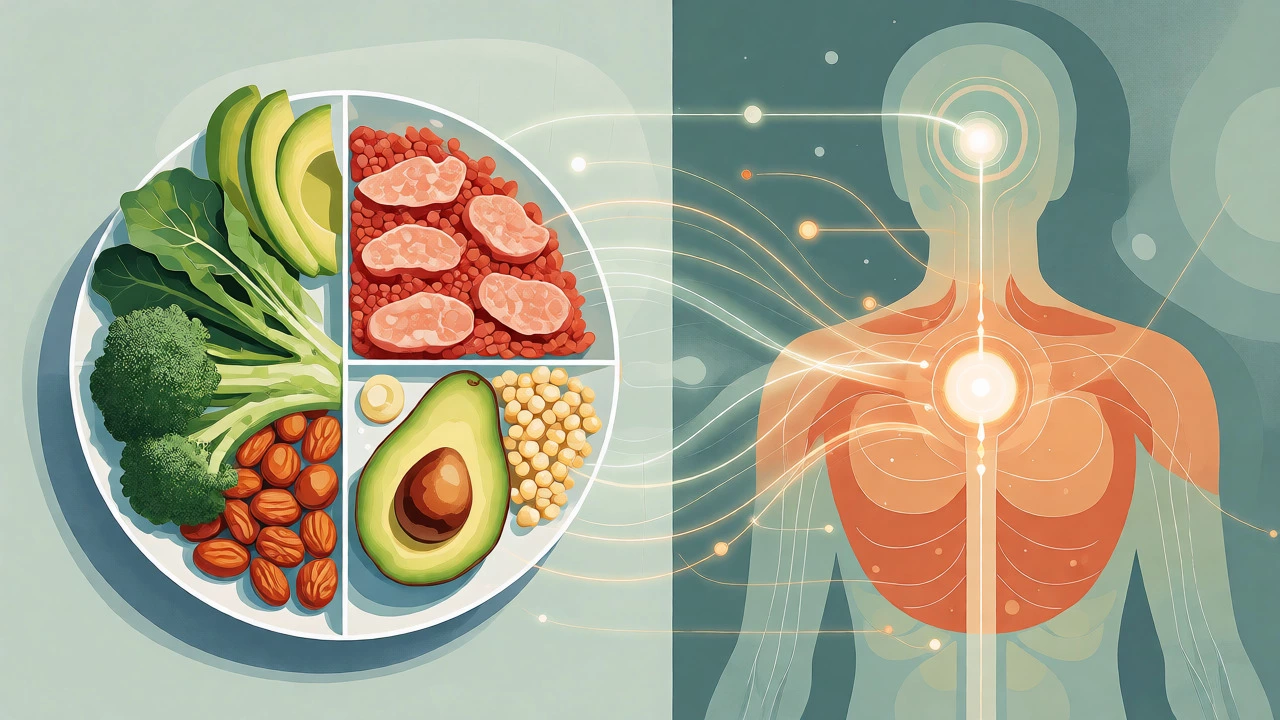
So, while the strict timeline applies to the morning, the macro-balance should ideally permeate your lunch and dinner. Aim for a plate that looks balanced: half vegetables, a quarter lean protein, and a quarter complex carbs or healthy fats, depending on your activity level.
Who Should Try This Approach?
This method isn’t for everyone, but it hits a sweet spot for several demographics:
- People with insulin resistance: Stabilizing blood sugar early helps prevent the rollercoaster of energy crashes.
- Busy professionals: It simplifies decision-making. You don’t need to plan elaborate meals; you just need a quick protein source and a walk.
- Those struggling with emotional eating: By reducing ghrelin (the hunger hormone) through protein, you may find cravings easier to manage.
However, if you have kidney issues, consult your doctor before increasing protein intake significantly. Also, if you’re an athlete training for a marathon, this might not provide enough glycogen for high-performance output.
Practical Examples for Your Morning Routine
Let’s make this concrete. Here are three easy ways to hit 30 grams of protein quickly:
- The Classic Omelet: Two large eggs (12g protein) plus two egg whites (7g) and a slice of turkey bacon (5g) gets you close. Add a side of cottage cheese to hit the mark.
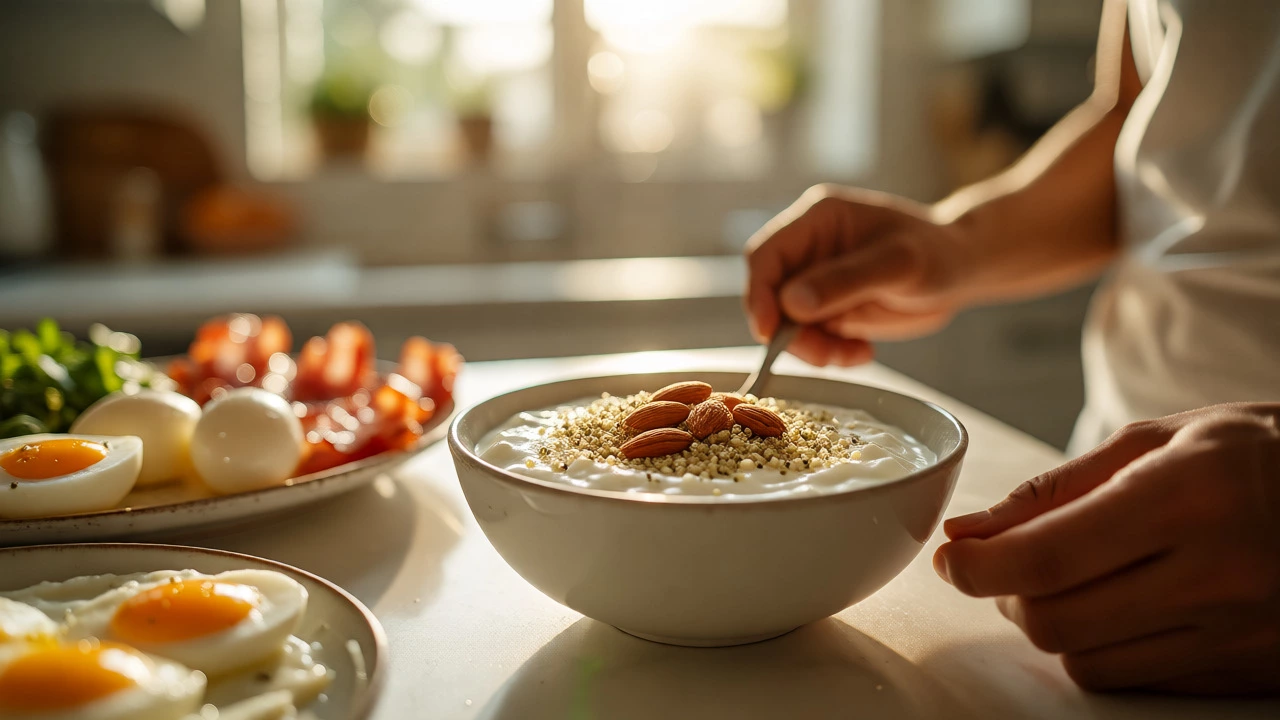
- Greek Yogurt Bowl: One cup of plain Greek yogurt contains about 20-23 grams of protein. Top it with a tablespoon of hemp seeds or almonds to push it over 30g.
- Whey or Plant Protein Shake: Most scoops contain 25-30 grams. Mix with water or almond milk for speed. This is ideal if you’re rushing out the door.
Pair any of these with a 30-minute walk. If you can’t walk outside, use a treadmill at a slow incline. The key is consistency, not intensity.
Potential Pitfalls to Avoid
Don’t fall into the trap of thinking this is magic. If you eat 30g of protein but then consume 3,000 calories of junk food for the rest of the day, you won’t lose weight. Energy balance still matters.
Also, beware of processed protein bars. Many claim to have 20g of protein but are loaded with sugar alcohols and fillers that can cause bloating. Read labels carefully. Whole foods are generally superior because they offer fiber and micronutrients that powders lack.
Finally, listen to your body. If forcing yourself to eat immediately upon waking makes you nauseous, wait 15 minutes. Hydrate with water and electrolytes first. Adaptation takes time.
Frequently Asked Questions
Do I have to exercise immediately after eating?
Ideally, yes, within that 30-minute window. However, if digestion slows you down, you can split the difference. Eat your protein, wait 10-15 minutes, then go for your walk. The goal is to keep your body in a fasted-ish state regarding carbohydrates while providing amino acids for muscle preservation.
Can I drink coffee during the 30/30/30 window?
Black coffee is generally fine and may even enhance fat oxidation during your walk. However, avoid adding sugar or cream initially, as this breaks the fasted state and introduces insulin spikes before you’ve stabilized your blood sugar with protein. Once you’ve eaten your protein, feel free to enjoy your coffee how you like it.
Is 30 grams of protein too much for one sitting?
For most adults, no. Research suggests that consuming higher amounts of protein in one sitting does not necessarily hinder absorption, though muscle protein synthesis may plateau after a certain point. For weight loss, the focus is on satiety and metabolic stability, both of which benefit from a solid 30g dose. If you have renal disease, consult a healthcare provider.
What if I’m vegetarian or vegan?
You can absolutely follow this rule. Use plant-based protein powders, tofu scrambles, tempeh, or legumes. Note that plant proteins often come with carbs, so you’ll need to account for that. A bowl of lentils might give you 18g of protein but also 40g of carbs, which changes the metabolic dynamic slightly compared to animal sources.
How long until I see results?
Individual results vary based on starting weight, overall diet, and genetics. Many users report feeling more energetic and less hungry within the first week. Visible weight loss typically becomes noticeable after 3-4 weeks of consistent adherence, provided you aren’t overeating later in the day.
Final Thoughts: Is It Worth Trying?
The 30/30/30 rule isn’t a revolutionary new science; it’s a structured way to apply basic physiological principles. It forces you to prioritize protein and movement when your body is most responsive. For many, the simplicity is the biggest selling point. It removes the guesswork from breakfast and creates a positive feedback loop for the rest of the day.
If you’re stuck in a rut with your current diet, give it a try for two weeks. Track your hunger levels and energy. If you find yourself snacking less and feeling more focused, it’s working. If it feels forced, tweak it. Maybe you need 20g of protein instead of 30, or maybe you prefer yoga over walking. Health is personal, and the best diet is the one you can stick to.