Schizophrenia: Symptoms, Causes, and Real Treatments in India
When someone has schizophrenia, a chronic mental disorder that affects how a person thinks, feels, and behaves, often leading to a loss of contact with reality. Also known as psychosis, it doesn’t mean split personality—it means the brain’s ability to process reality gets disrupted. In India, where mental health is still stigmatized, many people with schizophrenia go undiagnosed for years. Families mistake the symptoms for spiritual issues, laziness, or rebellion. But it’s a medical condition, not a moral failing.
Schizophrenia usually starts in late teens or early adulthood. The first signs aren’t dramatic. It’s the quiet withdrawal—a student stopping conversations, a worker missing deadlines, someone talking to themselves in public. Hallucinations come later. Voices aren’t always loud or threatening; sometimes they’re just whispers telling the person they’re worthless. Delusions aren’t always about aliens or conspiracies. In India, they’re often about being watched by neighbors, poisoned by family, or punished by gods. These aren’t fantasies—they’re real experiences to the person living them.
What causes it? No single thing. Genetics play a role—if a parent has it, the risk goes up. But so do environmental triggers: childhood trauma, drug use (especially cannabis in teens), extreme stress, or even prenatal infections. The brain’s chemistry changes. Dopamine, a chemical that helps send signals between nerve cells, goes out of balance. That’s why antipsychotic medicines work—they quiet the overactive signals. But meds alone aren’t enough. Therapy, family support, and routine matter just as much. In India, access to psychiatrists is limited outside cities. Many rely on general doctors who don’t know how to manage schizophrenia long-term. Others turn to unlicensed healers, delaying real help.
Recovery isn’t about being "cured." It’s about managing symptoms so life can continue. People with schizophrenia can work, marry, raise kids—if they get the right support. Early intervention makes all the difference. The sooner treatment starts, the less damage the illness does to the brain and relationships. In India, community mental health programs are rare, but not nonexistent. NGOs in Pune, Delhi, and Bangalore are starting peer support groups. Families are learning how to respond without shouting or shaming. Medicines are available at low cost through government hospitals—if you know where to go.
What you’ll find below are real stories and facts from people who’ve lived this. Not theory. Not textbook definitions. But what happens when someone in India is diagnosed, what treatments actually work, what doesn’t, and how families cope when the system fails them. You’ll see the gap between what doctors say and what families experience. You’ll learn which medicines are most common here, why some people stop taking them, and how therapy can change everything—even in small towns. This isn’t just about schizophrenia. It’s about how India treats its most vulnerable minds.
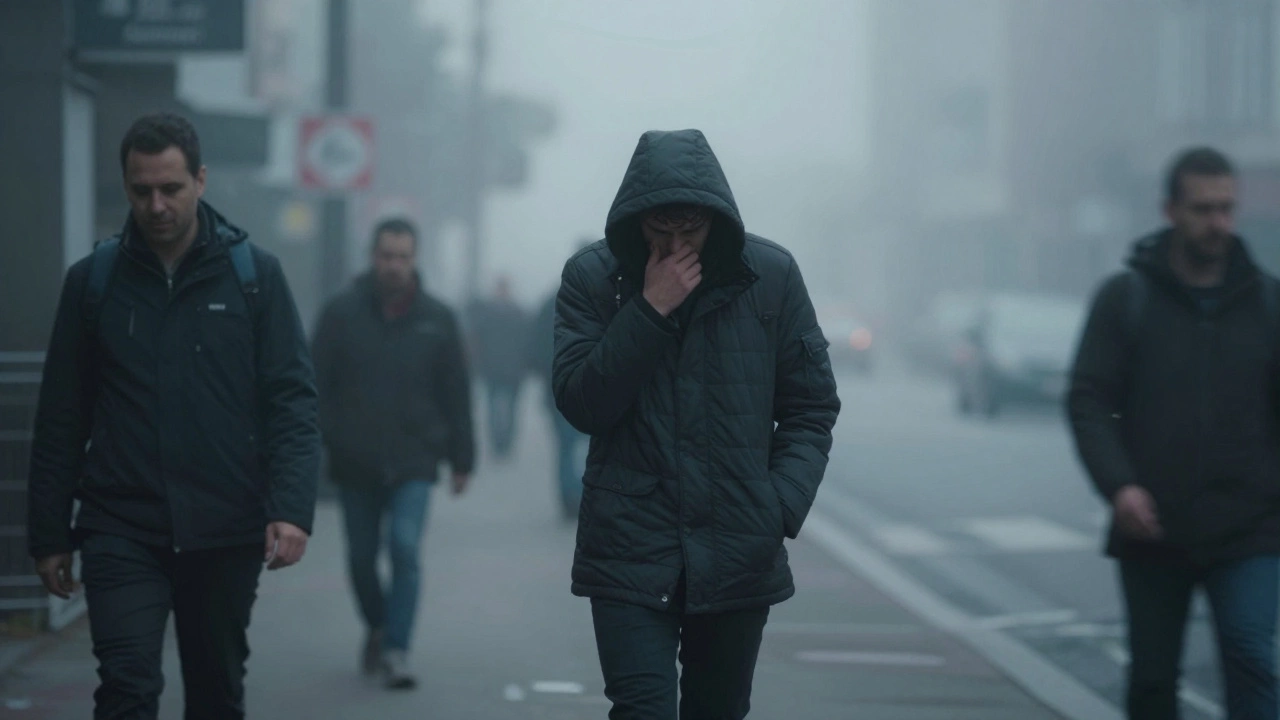
What Are the 7 Types of Mental Disorders You Should Know About
Learn about the 7 most common mental disorders - depression, anxiety, bipolar disorder, schizophrenia, OCD, PTSD, and ADHD - and how they affect people differently. Understand symptoms, causes, and treatment options.
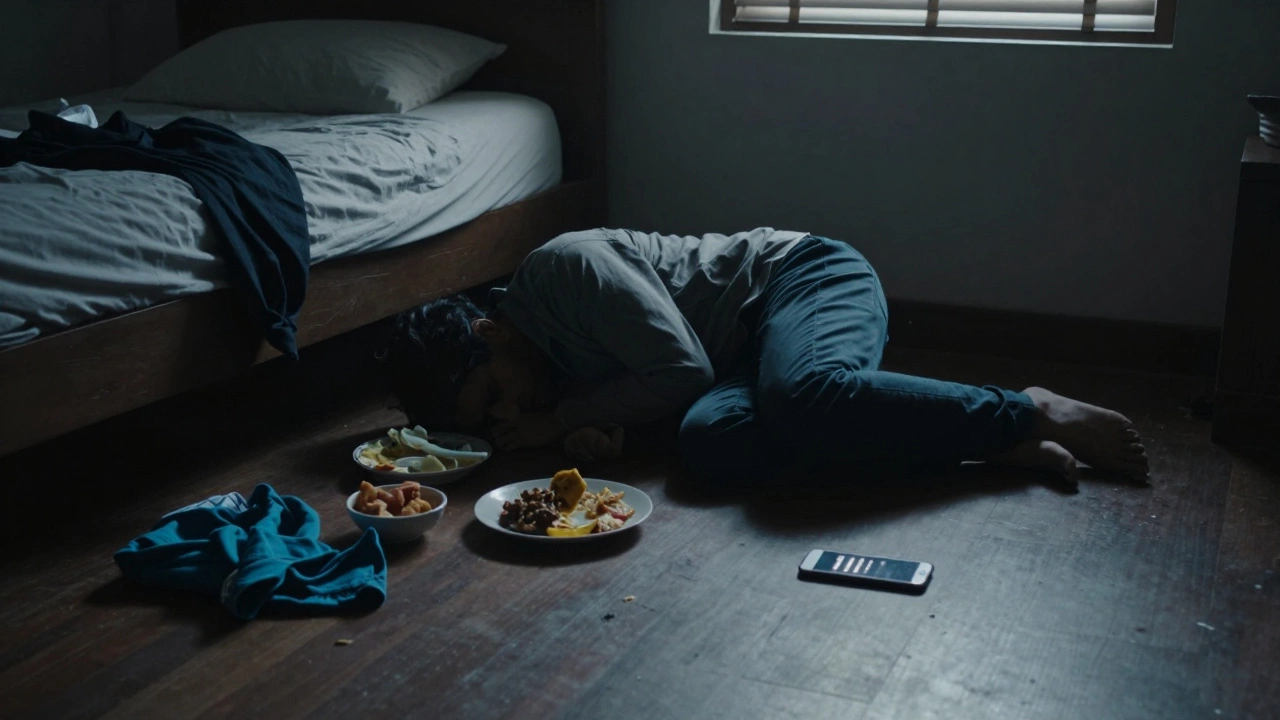
What Are the 10 Most Disabling Mental Illnesses?
The 10 most disabling mental illnesses include severe depression, schizophrenia, bipolar disorder, OCD, PTSD, and others that can destroy daily functioning. Learn how they impact lives and what help is available.