Most Disabling Mental Disorders: What They Are and How They Impact Lives
When we talk about most disabling mental disorders, mental health conditions that severely limit a person’s ability to work, maintain relationships, or perform basic daily tasks. Also known as severe mental illnesses, these aren’t just "bad days"—they’re life-altering conditions that can strip away independence, joy, and stability. Unlike temporary stress or anxiety, these disorders rewrite how the brain processes emotion, thought, and reality. They don’t care if you have a job, a family, or a plan. They show up anyway.
Take schizophrenia, a disorder where people lose touch with reality, hearing voices or believing things that aren’t true. It doesn’t just cause confusion—it makes holding a job, paying bills, or even showering feel impossible. Then there’s severe depression, a deep, unrelenting sadness that drains energy, motivation, and even the will to get out of bed. It’s not the same as feeling sad after a bad day. This is the kind that makes people quit their jobs, stop talking to friends, and sometimes lose the will to live.
Bipolar disorder, a condition that swings between crushing lows and dangerous highs, can ruin finances, relationships, and careers in months. OCD, where intrusive thoughts force people into endless rituals like washing hands or checking locks, can trap someone in a cycle that takes hours out of every day. And PTSD, the invisible wound from trauma that keeps the past alive in flashbacks and panic, can make a loud noise or a crowded room feel like a threat.
These aren’t rare. They don’t only affect "other people." They’re in workplaces, homes, and hospitals across India—and often go untreated because of stigma, cost, or lack of access. Many people suffer in silence, thinking they’re just weak or lazy. But these disorders have biological roots, not moral failures. They’re not choices. They’re illnesses that need treatment, not judgment.
What helps? Medication. Therapy. Support systems. Sometimes, just being heard. The good news? Many people with these conditions live full, meaningful lives—with the right care. The bad news? Too many never get it. That’s why this collection matters. Below, you’ll find real, no-fluff insights into what these disorders look like on the ground, how they’re diagnosed, what treatments actually work, and where to turn when you or someone you care about is struggling. No theory. No jargon. Just what you need to know to understand, act, or help.
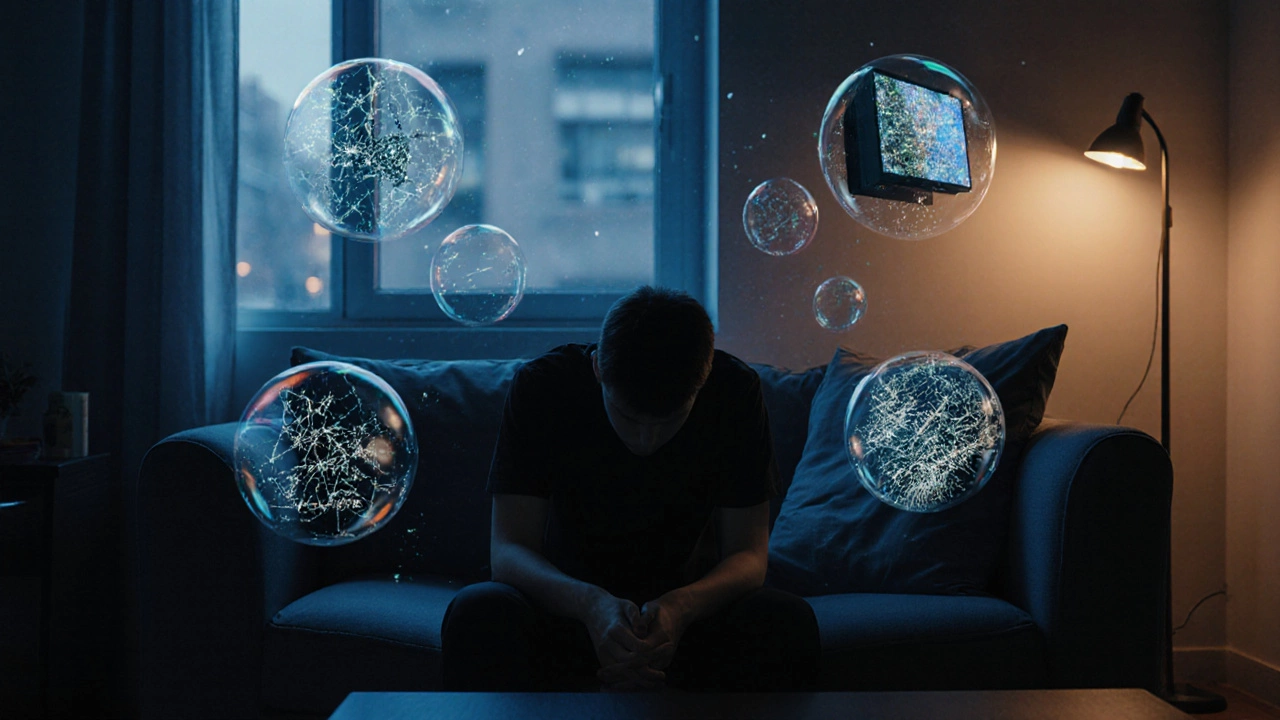
Hardest Mental Illnesses to Live With - Symptoms, Impact & Help
Explore the most disabling mental illnesses, their symptoms, daily impact, and practical steps to get help and manage life with these conditions.