Fertility Treatment Success: What Really Works and What to Expect
When people talk about fertility treatment success, the likelihood of achieving a pregnancy after medical intervention like IVF or ovulation induction. Also known as assisted reproductive technology success, it’s not just about science—it’s about timing, health, and the hidden factors no one talks about until you’re in the middle of it. Many assume success means a baby in arms after one try, but the truth is messier. Success rates vary wildly based on age, clinic, underlying cause of infertility, and even lifestyle. For women under 35, IVF has about a 40-50% chance of live birth per cycle. That number drops to 10-20% by age 40. These aren’t just numbers—they’re real chances, and they change everything about how you plan.
Success doesn’t live in a vacuum. It’s tied to IVF success rates, the percentage of embryo transfers that result in a live birth, measured across clinics and patient groups, which is why comparing clinics matters. Some clinics report high pregnancy rates but include early miscarriages. The ones you want focus on live birth rates, especially for your age group. Then there’s embryo transfer success, the moment when the embryo is placed into the uterus and begins its journey to implantation. This step alone can be affected by uterine lining thickness, timing, and even stress levels. One study from the Indian Journal of Medical Research found that women who practiced light yoga during transfer cycles had 15% higher implantation rates—not because yoga fixes infertility, but because it lowers cortisol, which can interfere with implantation.
What’s often left out? The role of male factor infertility. Sperm quality affects success just as much as egg quality. A single low motility count or high DNA fragmentation rate can cut IVF success in half, even with perfect embryos. And then there’s the emotional toll. Many couples try two or three cycles before success. One cycle failing doesn’t mean the next won’t work. In fact, most successful pregnancies happen after the second or third attempt. The key isn’t just picking the best clinic—it’s understanding your own body, asking for the right data, and knowing when to pause and reset.
You’ll find posts here that break down the exact timeline of IVF, what doctors look for before starting treatment, how lifestyle changes like sleep and diet impact outcomes, and why some people succeed after years of trying while others don’t—even with the same diagnosis. There’s no magic formula, but there are patterns. What works for one person might not work for another, but knowing what to ask, what to track, and what really moves the needle gives you power. This collection isn’t about promises. It’s about facts, real stories, and the quiet, stubborn hope that keeps people going—even when the odds feel stacked.
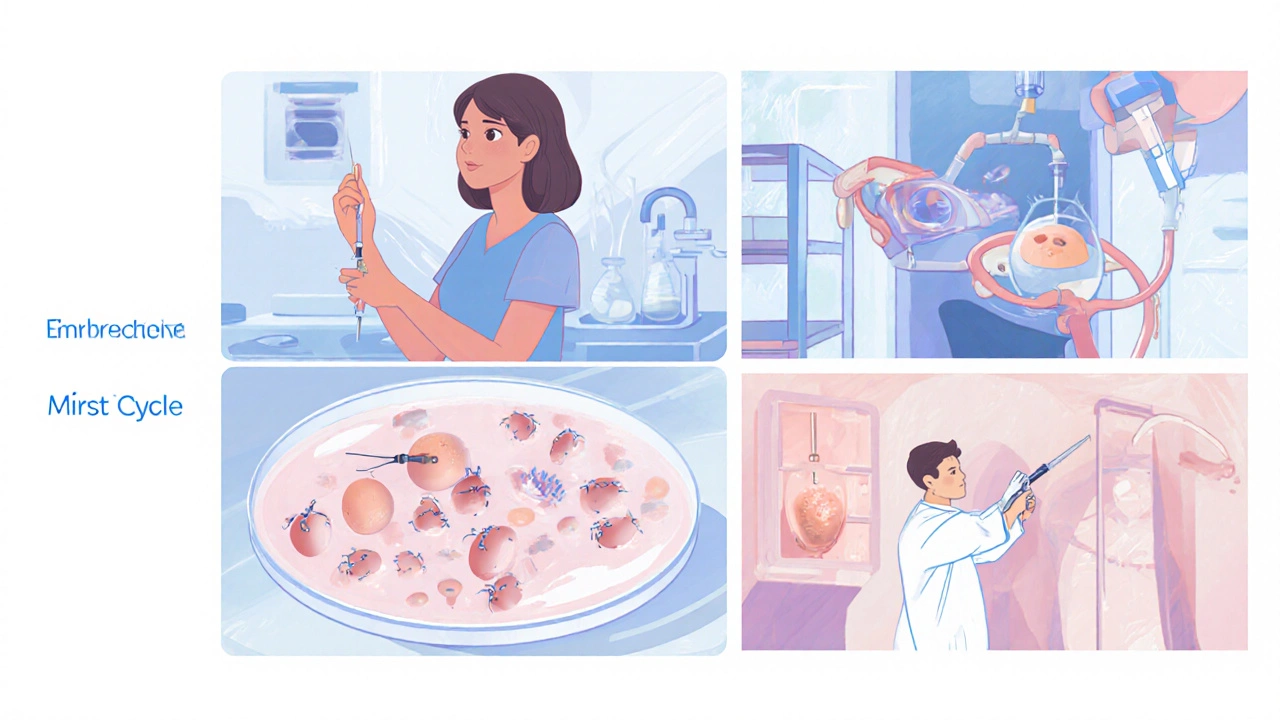
IVF Success Rate on the First Cycle: What the Numbers Really Show
Explore real first‑cycle IVF success rates, age‑specific numbers, key factors, and practical tips to improve your odds before the first try.