Disabling Mental Illnesses: What They Are and How They Impact Lives
When we talk about disabling mental illnesses, mental health conditions that severely limit a person’s ability to work, socialize, or care for themselves. Also known as severe psychiatric disorders, these aren’t just "bad days"—they’re persistent, overwhelming conditions that rewire how the brain processes emotion, thought, and reality. In India, where mental health still carries stigma, millions live with these illnesses without proper diagnosis or care. Depression, anxiety, schizophrenia, and bipolar disorder don’t just cause sadness or mood swings—they can make it impossible to get out of bed, hold a job, or even recognize loved ones.
Depression, a persistent low mood that drains energy and motivation is one of the most common disabling mental illnesses. It’s not the same as feeling sad after a bad day. People with clinical depression often lose interest in everything—even food, sleep, or their children. Anxiety disorders, conditions where fear and worry become constant, uncontrollable forces can lock people inside their homes, terrified of crowds, public transport, or even phone calls. Then there’s schizophrenia, a brain disorder that distorts perception, making voices or paranoia feel more real than the world around them. And bipolar disorder, a cycle of crushing lows and dangerous highs that can lead to reckless decisions or deep isolation—it doesn’t just affect mood, it ruins careers, marriages, and savings.
These illnesses don’t pick who they affect. They hit students, factory workers, farmers, teachers, and parents. In rural India, many never see a psychiatrist. In cities, they wait months for appointments. Medication is often unaffordable. Therapy is seen as a luxury. But the truth is simple: with the right support, many people regain control. Treatment isn’t always about pills—it’s about structure, community, and understanding. The posts below show real stories and science-backed approaches—from how untreated ADHD leads to job loss and debt, to how walking can ease the physical toll of chronic stress, to what actually happens when someone with schizophrenia tries to get help in a system that doesn’t listen. These aren’t abstract ideas. They’re lives being reshaped by what we do—or don’t do—about mental health.
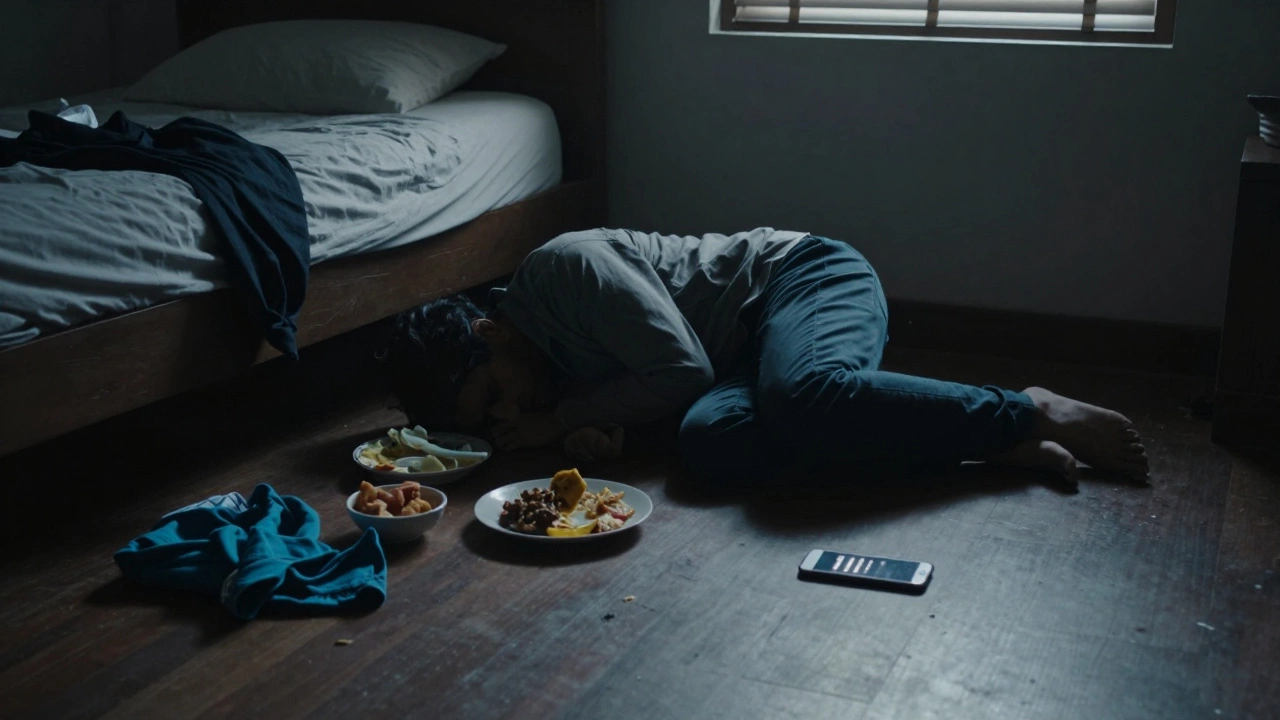
What Are the 10 Most Disabling Mental Illnesses?
The 10 most disabling mental illnesses include severe depression, schizophrenia, bipolar disorder, OCD, PTSD, and others that can destroy daily functioning. Learn how they impact lives and what help is available.