Depression in India: Causes, Signs, and Real Ways to Cope
When we talk about depression, a serious mental health condition marked by persistent sadness, loss of interest, and physical fatigue. Also known as clinical depression, it doesn’t just mean feeling down—it’s when your body and mind stop responding to things that used to bring joy. In India, depression is often hidden behind phrases like "I’m just tired" or "It’s all in your head." But it’s not a weakness. It’s a medical condition, and it’s more common than you think.
Untreated depression, a condition that can lead to chronic stress, job loss, relationship breakdowns, and even physical illness doesn’t go away on its own. Studies show that people with untreated depression are twice as likely to develop heart disease, and far more likely to struggle with substance use. In Indian households, where mental health is still stigmatized, many suffer silently—especially women, elderly parents, and young adults under academic or family pressure. The symptoms of depression, including sleep problems, appetite changes, lack of energy, and constant self-criticism are often mistaken for laziness, spiritual imbalance, or hormonal imbalance. But they’re not. They’re signals your brain is under severe stress.
What helps? It’s not just pills. Therapy works—especially cognitive behavioral therapy, which is now available online through trusted Indian platforms. Daily movement, even a 20-minute walk, has been shown to lift mood as effectively as medication for mild to moderate cases. Sleep matters. Eating regular meals matters. Talking to someone you trust matters. And if you’re wondering whether your feelings are "normal," they might not be. Depression doesn’t wait for permission to show up. It shows up when you’re juggling work, caregiving, financial stress, or just trying to keep up with expectations.
Below, you’ll find real stories and facts from people who’ve been there. You’ll learn how depression connects to chronic pain, why some medications work better than others in the Indian context, and what to say when your family says "just pray more." This isn’t theory. It’s what works when you’re tired of pretending everything’s fine.

What Are the 7 Types of Mental Disorders You Should Know About
Learn about the 7 most common mental disorders - depression, anxiety, bipolar disorder, schizophrenia, OCD, PTSD, and ADHD - and how they affect people differently. Understand symptoms, causes, and treatment options.
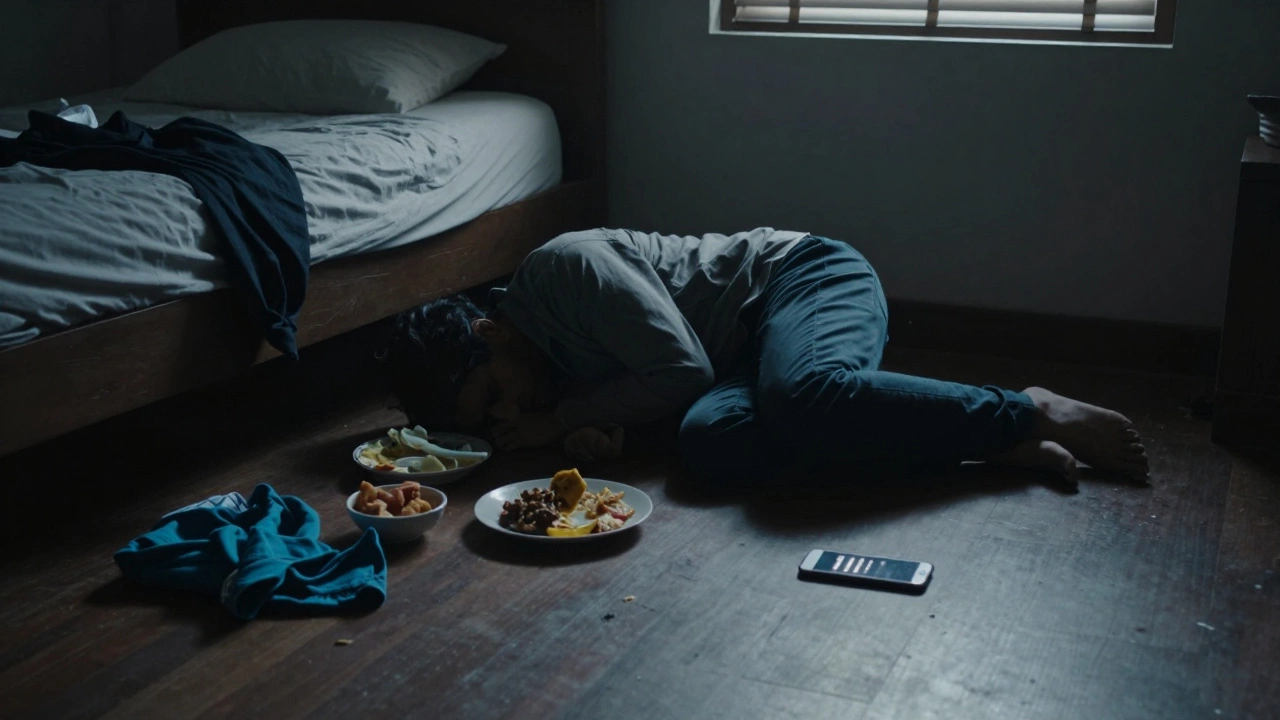
What Are the 10 Most Disabling Mental Illnesses?
The 10 most disabling mental illnesses include severe depression, schizophrenia, bipolar disorder, OCD, PTSD, and others that can destroy daily functioning. Learn how they impact lives and what help is available.