Cardiac Surgery Candidates: Who Needs It and What Are the Real Options?
When doctors say you might be a cardiac surgery candidate, a patient evaluated for open-heart or minimally invasive procedures to treat severe heart conditions, it’s not a guarantee you’ll go under the knife. Many people assume surgery is the next step after a heart diagnosis—but that’s not always true. In fact, a growing number of patients with coronary artery disease, narrowed arteries that reduce blood flow to the heart are being managed with medication, lifestyle changes, or stents instead. Even those with heart failure, a condition where the heart can’t pump enough blood to meet the body’s needs may avoid surgery if their symptoms respond to drugs or devices like pacemakers.
So who really qualifies as a cardiac surgery candidate? Typically, it’s someone with severe blockages that can’t be opened with stents, a badly leaking or narrowed heart valve, or an enlarged heart that’s failing despite treatment. If you’ve had multiple heart attacks, or your ejection fraction is below 30%, surgery might be the best shot at extending your life. But it’s not just about test numbers. Doctors also look at your age, lung function, kidney health, and whether you can handle recovery. A 70-year-old with diabetes and COPD might not be a good candidate—even if their arteries are clogged—because the risks could outweigh the benefits. On the flip side, a younger, otherwise healthy person with a single valve problem might be a perfect candidate for a minimally invasive repair that leaves them back on their feet in weeks, not months.
It’s also worth noting that many people confuse symptoms with needing surgery. Chest pain? Not always a sign. Shortness of breath? Could be asthma, anemia, or even poor fitness. That’s why a full workup—stress tests, echocardiograms, angiograms—is critical. And even after all the tests, some patients are told to wait. Why? Because surgery isn’t a cure-all. It fixes a mechanical problem, but it doesn’t reverse years of damage or stop lifestyle habits that caused it in the first place. That’s why many doctors push harder on diet, exercise, and quitting smoking before ever recommending a scalpel.
Below, you’ll find real stories and facts from people who’ve walked this path—some chose surgery, others didn’t. You’ll see what tests actually matter, what recovery really looks like, and how common myths about heart surgery can lead to unnecessary procedures. Whether you’re wondering if you’re a candidate, or you’re helping someone who is, these posts cut through the noise and give you what doctors actually say behind closed doors.
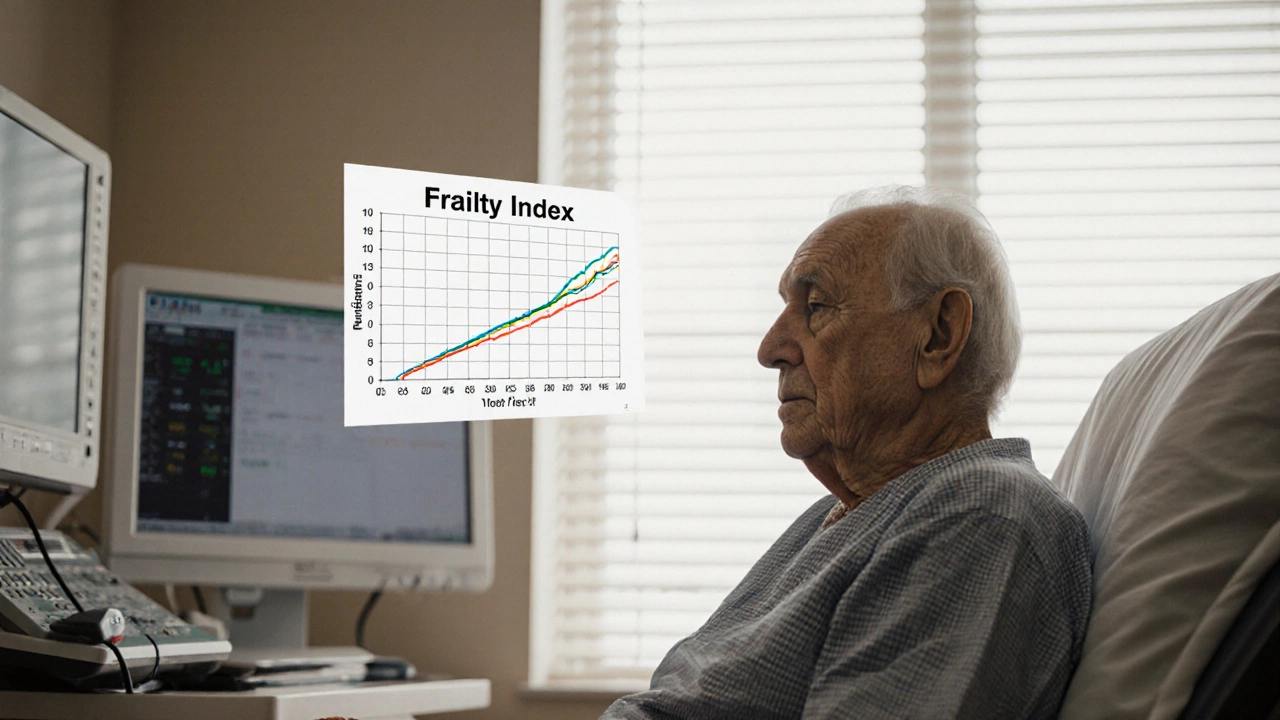
Who Is Not a Good Candidate for Heart Surgery?
Not everyone with heart disease should have surgery. Learn who is at too high risk and what alternatives exist when open-heart procedures aren't safe.