Bone Density Test: What It Is, Who Needs It, and What Happens Next
When you hear bone density test, a medical scan that measures how much mineral is in your bones to check for weakness. Also known as a DXA scan, it’s the gold standard for spotting osteoporosis before a fracture happens. This isn’t just for older people—it’s for anyone who’s at risk of losing bone strength silently, without pain or warning.
Most people don’t realize their bones are thinning until they fall and break something. That’s why the DXA scan, a quick, painless X-ray that measures bone mineral density, usually in the hip and spine is so important. It’s not a guess. It gives you numbers—T-scores and Z-scores—that tell you if your bones are normal, borderline, or dangerously weak. Women over 65, men over 70, anyone who’s had a fracture after age 50, or those on long-term steroid meds should get one. Even younger people with risk factors like low body weight, early menopause, or thyroid issues need to talk to their doctor about it.
It’s not just about the test itself—it’s about what you do after. A low result doesn’t mean you’re doomed. It means you have a chance to act. low bone mass, a condition between normal and osteoporosis, often called osteopenia is your wake-up call. You can strengthen bones with weight-bearing exercise, enough calcium and vitamin D, and sometimes medication. The sooner you know, the more control you have. And if you’ve had knee replacement surgery or are managing arthritis, your bone health matters even more—because weak bones can make recovery harder and increase your risk of future injuries.
What you’ll find here are real stories and facts from people who’ve been through this. Some discovered their bone density was dropping after a minor fall. Others got tested because their doctor flagged them. A few ignored it—until they didn’t have a choice. These posts don’t just explain the test. They show you what comes after: how to interpret results, what foods help, what to avoid, and how to stay active without breaking something. This isn’t theory. It’s what works for real people in India, where diet, lifestyle, and access to care shape how bone disease shows up.
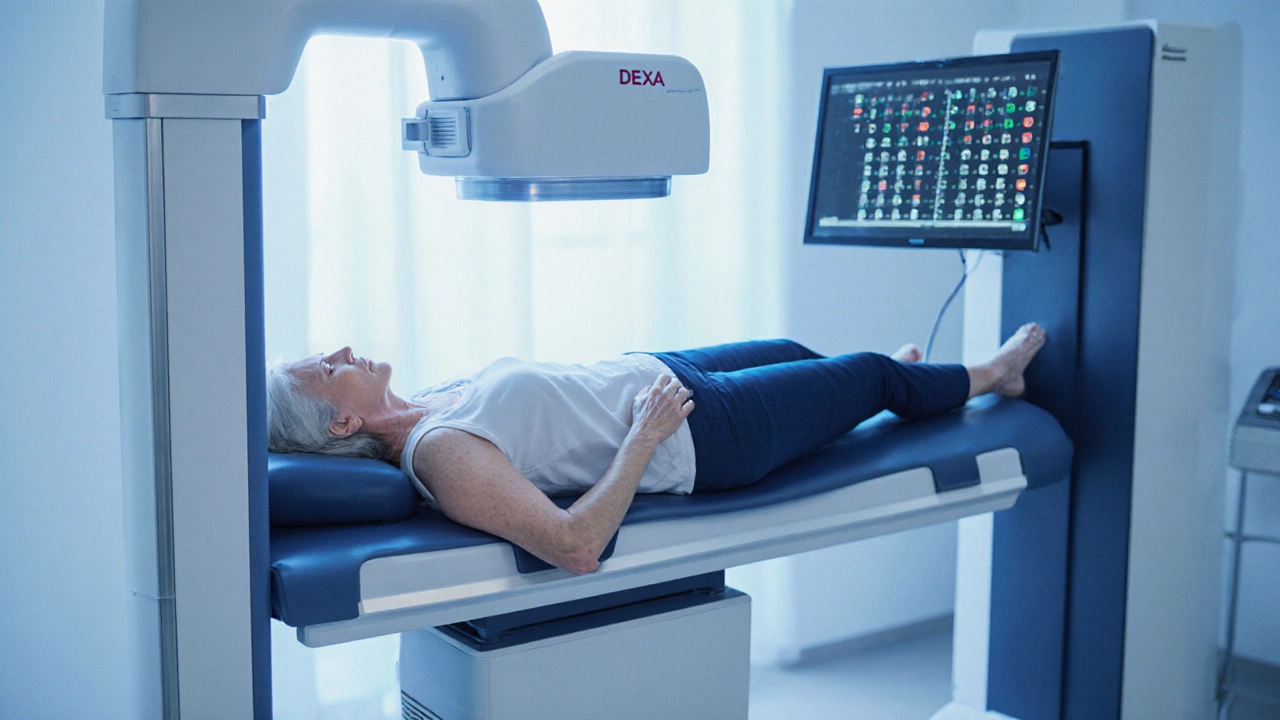
Best Tests for Bones and Joints: What Doctors Actually Use
Discover the most effective tests for bone and joint pain - from X-rays and MRIs to DEXA scans and blood tests. Learn what doctors in India actually use to diagnose the real cause of your discomfort.