Bipolar Disorder: Symptoms, Causes, and Real-Life Management in India
When someone talks about bipolar disorder, a mental health condition marked by extreme shifts in mood, energy, and activity levels. Also known as manic-depressive illness, it doesn’t mean you’re just emotional—it means your brain’s chemistry is out of sync, often without warning or reason. In India, where mental health is still stigmatized, many people mistake bipolar episodes for stress, laziness, or overreacting. But this isn’t about willpower. It’s a medical condition that affects how the brain regulates emotions, and it’s more common than you think—especially among young adults and working professionals.
People with bipolar disorder cycle between mania, a state of intense energy, impulsivity, and sometimes reckless behavior and depression, a deep, crushing low where even getting out of bed feels impossible. These aren’t just bad days. Mania can lead to spending sprees, risky decisions, or sleepless nights lasting weeks. Depression can make someone withdraw from family, lose their job, or feel hopeless for months. What’s often missed is that many people spend more time in depression than in mania—and that’s why it’s frequently misdiagnosed as regular depression.
Treatment isn’t one-size-fits-all. In India, many rely on traditional healers or delay care because of shame. But science-backed options exist: mood stabilizers like lithium, antipsychotics, therapy, and lifestyle changes. Sleep routines, regular meals, and avoiding alcohol are just as important as medication. Family support makes a huge difference—especially when loved ones learn to recognize early signs of a shift. And yes, people with bipolar disorder can live full, productive lives. But only if they get the right help, early and consistently.
You’ll find real stories here—not theory. Posts cover how people in India manage bipolar disorder without insurance, what doctors actually prescribe, how diet and sleep affect mood cycles, and why some meds work for one person and not another. There’s no fluff. Just what works, what doesn’t, and what no one tells you until it’s too late.

What Are the 7 Types of Mental Disorders You Should Know About
Learn about the 7 most common mental disorders - depression, anxiety, bipolar disorder, schizophrenia, OCD, PTSD, and ADHD - and how they affect people differently. Understand symptoms, causes, and treatment options.
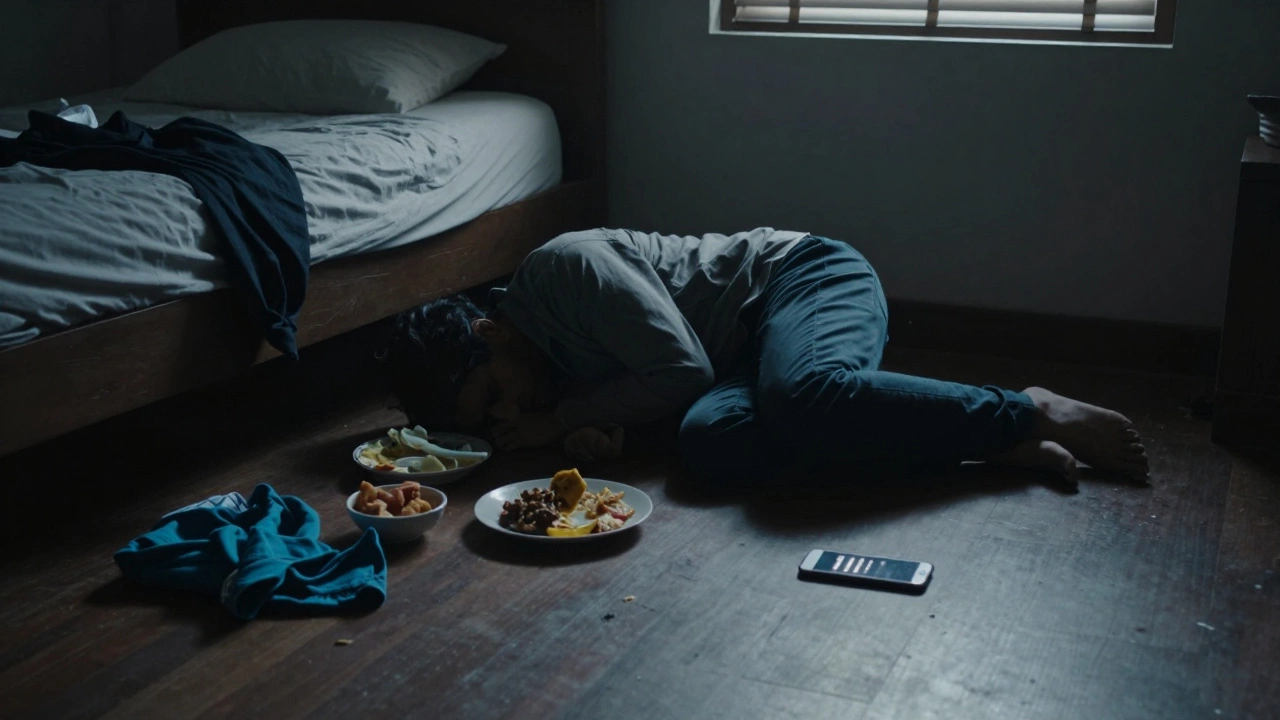
What Are the 10 Most Disabling Mental Illnesses?
The 10 most disabling mental illnesses include severe depression, schizophrenia, bipolar disorder, OCD, PTSD, and others that can destroy daily functioning. Learn how they impact lives and what help is available.