
Metformin Tolerance & Management Planner
Many people quit metformin due to initial side effects. Use this tool to generate a personalized plan for managing gastrointestinal issues and monitoring long-term risks like Vitamin B12 deficiency.
Your Personalized Action Plan
You hear the whispers in the pharmacy line or read the scary threads on health forums. People say metformin ruins your gut, steals your energy, and is generally a terrible drug to take. If you’ve been prescribed this first-line treatment for type 2 diabetes, those rumors can be enough to make you hesitate before swallowing that pill. But here is the hard truth: metformin isn’t "bad." It’s actually one of the safest, most effective, and most studied medications in modern medicine. The negative reputation usually comes from misunderstanding its very real, but manageable, side effects.
When I talk to patients in Bangalore who are newly diagnosed, they often feel overwhelmed. They want a simple fix, not a daily reminder of their condition. Metformin requires adjustment. It works by telling your liver to stop pumping out excess glucose and helping your muscles use insulin better. This mechanism is powerful, but it doesn't come without a learning curve. Before we get into the specific complaints, let's look at why this drug has survived decades of scrutiny while newer, flashier drugs come and go.
The Gut Reaction: Why Your Stomach Complains
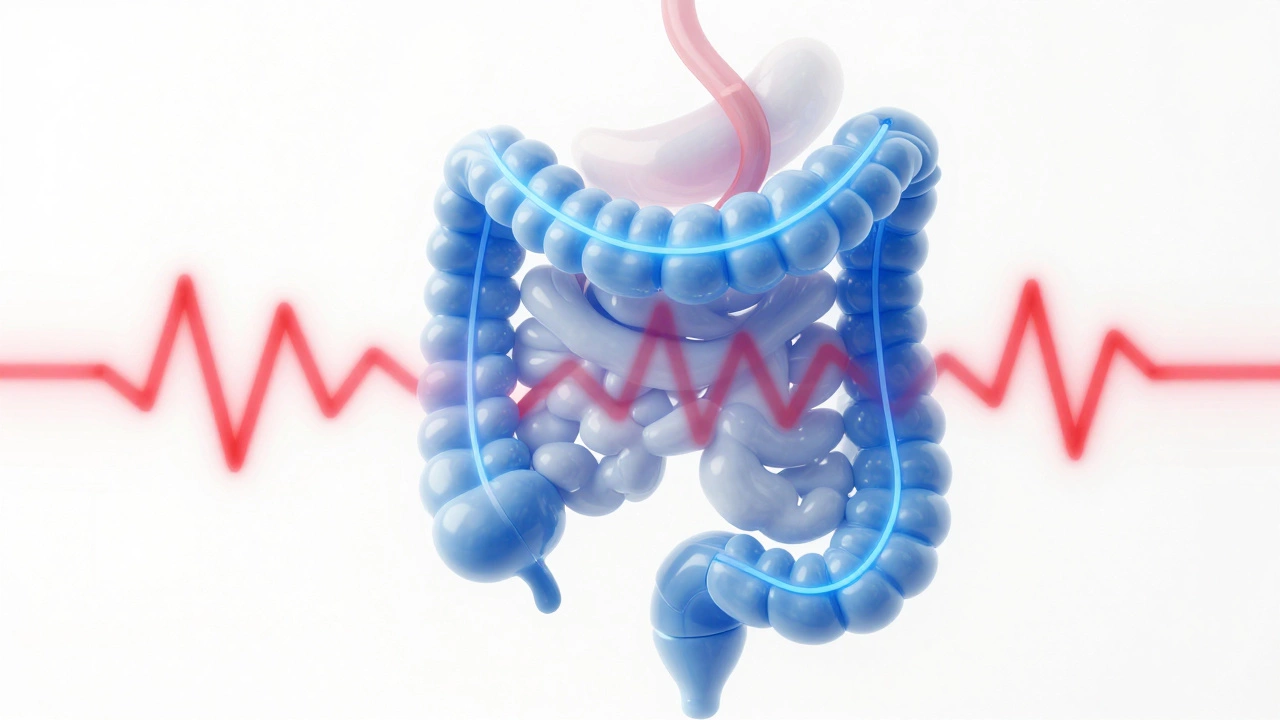
The number one reason people claim metformin is "bad" is gastrointestinal distress. You start taking it, and within days, you might experience nausea, diarrhea, bloating, or a metallic taste in your mouth. For some, these symptoms are mild and fade after a week. For others, they are severe enough to make them quit the medication entirely.
This happens because metformin changes the environment in your intestines. It increases the production of short-chain fatty acids like butyrate, which is actually good for your gut lining in the long run, but the transition can be rough. The key mistake most people make is starting with a high dose immediately. Doctors often prescribe 500mg or even 850mg right away, which shocks the system.
- Start low: Ask your doctor if you can start with 250mg once a day.
- Go slow: Increase the dose gradually over several weeks.
- Take with food: Never take metformin on an empty stomach. A full meal acts as a buffer.
- Try extended-release (ER): The ER version releases the drug slowly throughout the day, significantly reducing gut irritation compared to immediate-release tablets.
If you stick with it through the first month, about 90% of people find their digestive system adapts. Quitting because of temporary diarrhea means missing out on a drug that protects your heart and kidneys.
Vitamin B12 Deficiency: The Silent Risk
Here is where the criticism of metformin holds some weight. Long-term use of metformin can interfere with the absorption of Vitamin B12 in your small intestine. Studies suggest that up to 30% of patients on metformin for several years may develop a deficiency. This isn't just a minor vitamin issue; B12 is crucial for nerve health and red blood cell production.
If left unchecked, B12 deficiency can lead to peripheral neuropathy-tingling or numbness in your hands and feet. This is dangerous because type 2 diabetes already causes neuropathy. If you blame the diabetes for nerve damage when it’s actually caused by a lack of B12 due to metformin, you’re treating the wrong problem.
The solution is simple monitoring. You don’t need to stop the drug. You just need to check your B12 levels annually. If they drop, you can take a B12 supplement. In fact, many endocrinologists now recommend a proactive B12 supplement for anyone on long-term metformin. It’s a small trade-off for the metabolic benefits the drug provides.
| Side Effect | Frequency | Management Strategy |
|---|---|---|
| Gastrointestinal Issues | High (initially) | Extended-release formula, take with food, gradual titration |
| Vitamin B12 Deficiency | Moderate (long-term) | Annual blood tests, B12 supplementation |
| Lactic Acidosis | Extremely Rare | Avoid alcohol excess, monitor kidney function |
| Fatigue/Muscle Aches | Low | Hydration, electrolyte balance, review dosage |
Lactic Acidosis: The Scare Tactic
You will see warnings on the label about lactic acidosis. This sounds terrifying, and it is a serious condition where lactate builds up in your bloodstream. However, context matters. Lactic acidosis is exceptionally rare in healthy individuals taking metformin. It typically occurs only in people with severe kidney impairment, liver disease, or those who consume excessive amounts of alcohol.
Your kidneys filter metformin out of your body. If your kidneys are failing, the drug builds up, increasing the risk of acidosis. This is why doctors check your eGFR (estimated glomerular filtration rate) before prescribing it. As long as your kidney function is normal, the risk is negligible. Don’t let a warning meant for a tiny fraction of high-risk patients scare you off a life-saving medication.
Sometimes, when people travel or face lifestyle changes, they forget how their medication interacts with their routine. For instance, if you are traveling to a new city and dealing with jet lag or different food sources, maintaining hydration becomes critical. Some travelers find it helpful to have a reliable local resource for any logistical needs during their trip to ensure they stay focused on their health routines. You can find various local services and directories, such as this page, which helps visitors navigate specific regional offerings, though your primary focus should remain on medical adherence and hydration while abroad.
Weight Loss: The Good News
Let’s flip the script. Many people hate metformin because it makes them feel weird initially, but they ignore what it does for their waistline. Unlike many other diabetes medications that cause weight gain, metformin is weight-neutral or even promotes modest weight loss. For someone managing type 2 diabetes, losing even 5-10 pounds can dramatically improve insulin sensitivity.
It works by reducing appetite slightly and decreasing the amount of sugar your liver produces. This dual action helps lower HbA1c levels without adding calories. In a world where obesity drives diabetes complications, this feature alone makes metformin a hero, not a villain.
Long-Term Benefits Beyond Blood Sugar
Metformin does more than just lower glucose. Recent research suggests it may have anti-aging properties. It activates an enzyme called AMPK, which plays a role in cellular metabolism and repair. While we aren’t calling it a "fountain of youth" yet, studies indicate it may reduce the risk of certain cancers, particularly colorectal cancer, and protect against heart disease.
Cardiovascular disease is the leading cause of death in people with diabetes. Metformin has been shown to improve endothelial function (the health of your blood vessel linings) and reduce inflammation. When you weigh the temporary stomach upset against a lower risk of heart attack and stroke, the choice becomes clearer.

Who Should Avoid Metformin?
Metformin isn’t for everyone, and knowing this helps demystify why some people have bad experiences. You should avoid or use extreme caution with metformin if you have:
- Severe Kidney Disease: If your eGFR is below 30, metformin is contraindicated. Between 30 and 45, doses must be adjusted carefully.
- Alcoholism: Heavy drinking increases the risk of lactic acidosis.
- Contrast Dye Procedures: If you are having a CT scan with contrast dye, you may need to pause metformin for 48 hours afterward to prevent kidney stress.
- Thiamine Deficiency: Since metformin can affect B-vitamin absorption, existing thiamine issues need management.
If you fall into these categories, the drug isn’t "bad"; it’s just mismatched for your current physiology. Your doctor might switch you to an SGLT2 inhibitor or a GLP-1 agonist instead.
Practical Tips for Staying on Metformin
If you want to succeed with metformin, treat it like a partnership, not a punishment. Here is how to make it work for you:
- Communicate Early: Tell your doctor immediately if you have diarrhea. Don’t suffer in silence. They can switch you to extended-release or adjust the dose.
- Supplement Smartly: Add a methylcobalamin (active B12) supplement to your routine. It’s cheap and prevents long-term nerve damage.
- Watch Your Alcohol: Limit alcohol intake. It stresses the liver and kidneys, which are already working hard to process the medication.
- Stay Hydrated: Dehydration worsens kidney function and side effects. Drink water consistently, especially if you live in a hot climate like Bangalore.
- Monitor Regularly: Get your kidney function and B12 levels checked every 6-12 months.
The narrative that metformin is "bad" is largely driven by poor initial experiences and lack of education. When managed correctly, it is a cornerstone of diabetes care that saves lives and improves quality of life. Don’t let internet myths steer you away from a treatment that could keep you healthy for decades.
Does metformin cause permanent damage?
No, metformin does not cause permanent damage when used correctly. Temporary side effects like stomach upset usually resolve. Long-term risks like B12 deficiency are manageable with supplements and monitoring. Serious issues like lactic acidosis are extremely rare and mostly linked to pre-existing kidney or liver failure.
Can I stop taking metformin if my blood sugar is normal?
You should never stop medication without consulting your doctor. Normal blood sugar is likely a result of the medication working. Stopping abruptly can cause your glucose levels to spike again. Your doctor may taper your dose if your lifestyle changes have significantly improved your health.
Is extended-release metformin better?
For many people, yes. Extended-release (ER) metformin releases the drug slowly, which significantly reduces gastrointestinal side effects like diarrhea and nausea. It is often recommended if you cannot tolerate the immediate-release version.
How does metformin affect weight?
Metformin is weight-neutral or may promote modest weight loss. It helps reduce appetite and decreases glucose production in the liver. This is beneficial for type 2 diabetics, as weight loss improves insulin sensitivity.
What are the signs of lactic acidosis?
Signs include unusual muscle pain, trouble breathing, stomach pain with nausea/vomiting, feeling cold, dizziness, or a slow/irregular heartbeat. This is a medical emergency. However, it is very rare in patients with normal kidney function.