Diabetes Risk & Habit Checker
Your Daily Habits
Check the boxes below if these apply to your current lifestyle or diet.
Risk Level
Safe
Your current selections indicate a low risk profile based on general guidelines.
Imagine biting into a delicious slice of cake and watching your blood sugar spike uncontrollably. For someone with diabetes, a chronic condition affecting how the body processes blood glucose (sugar), this isn't just an inconvenience-it's a health crisis. Many people believe that having diabetes means giving up all the foods they love. The reality is more nuanced. It’s not about total deprivation; it’s about understanding what triggers dangerous spikes in blood glucose, the primary source of energy for cells, which becomes toxic at high levels.
If you have been recently diagnosed or are helping a loved one manage their condition, you likely have one burning question: What exactly is off-limits? The answer depends on whether you have Type 1, where the body produces little to no insulin, or Type 2, where the body resists insulin's effects. In both cases, certain foods, habits, and even medications can be detrimental. Let’s break down the strict "no-go" list and the gray areas that require caution.
The Absolute No-Go List: Foods to Avoid Completely
When we talk about what is forbidden, we aren't talking about occasional indulgences that might cause a minor blip. We are talking about substances that offer zero nutritional value while causing immediate, severe stress on your pancreas and cardiovascular system. These items should be completely removed from your pantry if you want to keep your HbA1c levels stable.
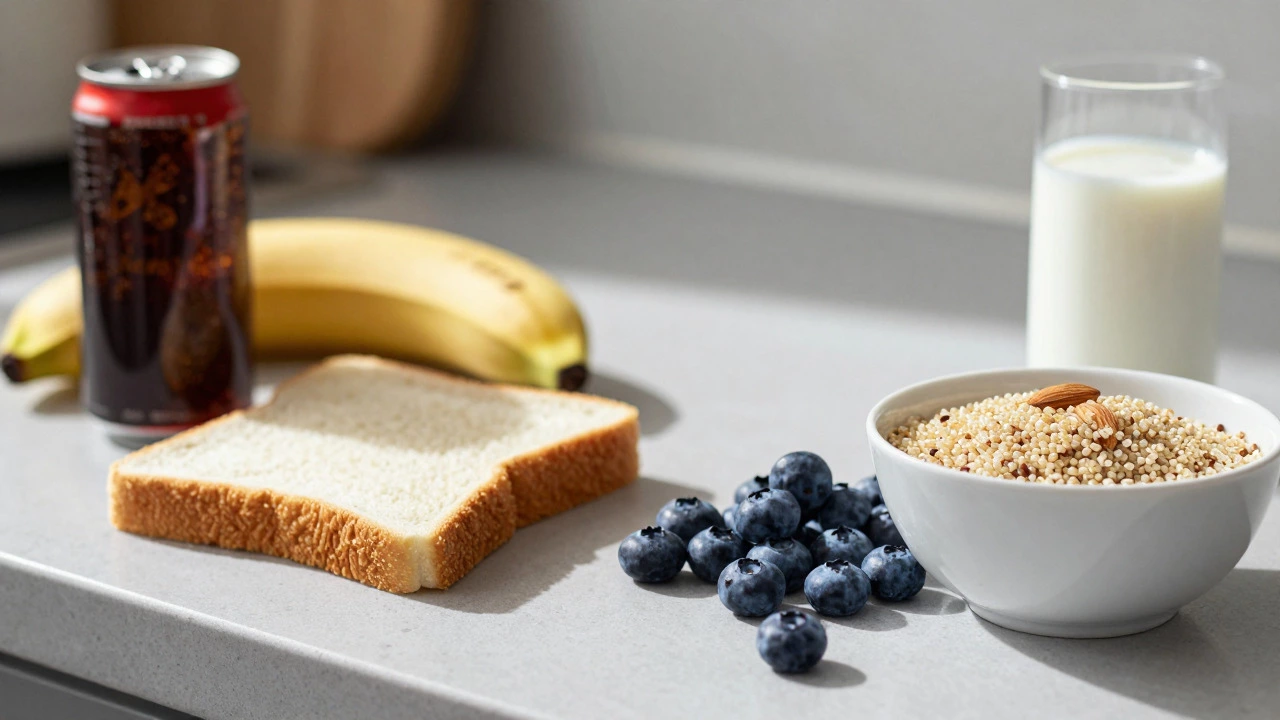
- Sugary Beverages: This is the number one enemy. Sodas, fruit juices (even 100% juice), sweetened teas, and energy drinks are liquid sugar. Because there is no fiber to slow down absorption, these drinks send glucose straight into your bloodstream. A single 12-ounce can of soda can contain over 40 grams of sugar, equivalent to ten teaspoons. For a diabetic, this is like injecting sugar directly into the vein.
- Trans Fats: Found in many processed snacks, fried fast foods, and commercially baked goods, trans fats increase inflammation and insulin resistance. They also raise bad cholesterol (LDL) and lower good cholesterol (HDL). Since diabetics already have a higher risk of heart disease, adding trans fats to the mix is playing with fire. Check labels for "partially hydrogenated oils."
- Refined Carbohydrates: White bread, white rice, and regular pasta have been stripped of their fiber and nutrients. Your body breaks them down almost as quickly as pure sugar. If you eat a bowl of white rice, your blood sugar will spike rapidly and then crash, leaving you hungry again shortly after. This rollercoaster makes long-term control nearly impossible.
The Gray Area: Foods That Require Strict Moderation
Not everything is black and white. Some foods are technically allowed but come with such heavy caveats that they might as well be forbidden for many people. The key here is portion control and pairing these foods with proteins or healthy fats to blunt the glucose spike.
Fruits are a classic example. While fruits contain natural sugars (fructose), they also provide fiber, vitamins, and antioxidants. However, some fruits are much worse than others. Bananas, grapes, and mangoes have a higher glycemic index compared to berries or apples. Eating a large banana on an empty stomach can cause a significant rise in blood sugar. Instead, pair a small serving of fruit with a handful of almonds or Greek yogurt. The fat and protein slow down digestion, preventing the rapid spike.
Dairy products present another challenge. Milk contains lactose, a natural sugar. A glass of whole milk has about 12 grams of sugar. If you drink milk with breakfast cereal (which is often sugary and refined), you are doubling your carbohydrate load. Skim milk is not necessarily better because removing the fat doesn't remove the sugar. Consider fortified plant-based milks like unsweetened almond or soy milk, which typically have far fewer carbohydrates.

Lifestyle Habits That Are Effectively Forbidden
Diet is only half the battle. Certain lifestyle choices can render your best dietary efforts useless. These habits interfere with how your body uses insulin and manages stress hormones.
- Sedentary Behavior: Sitting for prolonged periods reduces your muscles' ability to use glucose for energy. Even if you exercise for 30 minutes a day, sitting for the other 15 hours negates those benefits. Studies show that breaking up sitting time with short walks every hour can significantly improve blood sugar control. For a diabetic, being sedentary is almost as harmful as eating poorly.
- Poor Sleep Hygiene: Chronic sleep deprivation increases cortisol, the stress hormone. Cortisol signals your liver to release stored glucose into the bloodstream. If you are sleeping less than six hours a night, your body essentially thinks it is under attack and raises your blood sugar as a survival response. This makes insulin resistance worse, regardless of what you eat.
- Smoking: Smoking constricts blood vessels and increases inflammation. Smokers with diabetes are three times more likely to develop heart disease than non-smokers. Nicotine also interferes with insulin sensitivity. Quitting smoking is not just a general health recommendation; it is a critical step in managing diabetes complications.
Medication Interactions and Risks
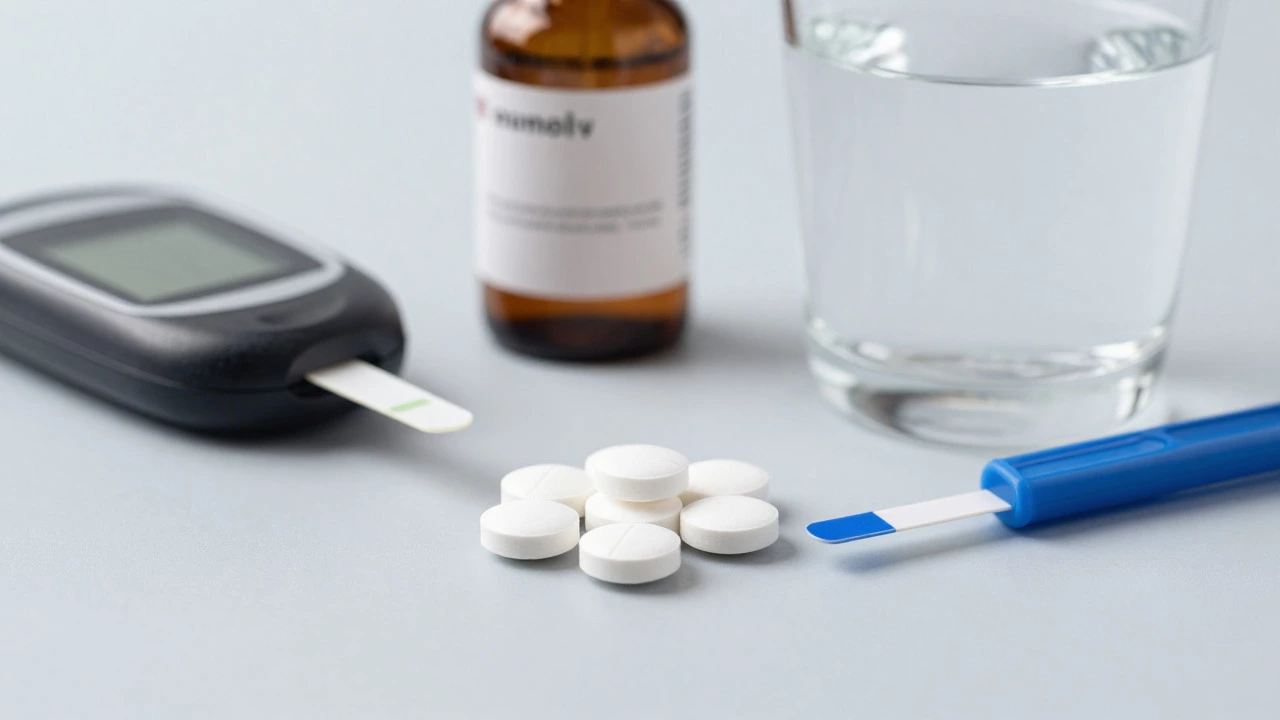
Many people focus solely on food, forgetting that certain medications and supplements can interact dangerously with diabetes drugs. If you are taking metformin, a first-line medication for Type 2 diabetes that decreases glucose production in the liver or insulin, you need to be aware of potential conflicts.
Corticosteroids, often prescribed for asthma, allergies, or inflammation, can cause dramatic spikes in blood sugar. Even a short course of prednisone can make your diabetes unmanageable for weeks. Always inform any doctor prescribing new medication that you have diabetes. They may need to adjust your dosage or monitor your levels more closely.
Some over-the-counter cold medicines contain pseudoephedrine, which can also raise blood glucose levels. Additionally, alcohol interacts unpredictably with diabetes medications. Alcohol can initially lower blood sugar, leading to hypoglycemia (low blood sugar), especially if taken without food. Later, it can prevent the liver from releasing glucose when needed, causing a delayed drop in levels. Mixing alcohol with sulfonylureas (like glipizide) can be particularly dangerous.
| Category | Avoid (High Risk) | Choose Instead (Safer Option) | Reason |
|---|---|---|---|
| Beverages | Soda, Fruit Juice | Sparkling Water, Unsweetened Tea | Eliminates liquid sugar spikes |
| Grains | White Bread, White Rice | Quinoa, Brown Rice, Oats | Higher fiber slows absorption |
| Fruit | Bananas, Grapes | Blueberries, Strawberries | Lower glycemic index |
| Fats | Margarine, Fried Foods | Olive Oil, Avocado | Reduces inflammation and LDL |
| Dairy | Whole Milk, Sweetened Yogurt | Unsweetened Almond Milk, Plain Greek Yogurt | Lower carb count, higher protein |
The Hidden Dangers: Processed "Healthy" Foods
Marketing can be deceptive. You might see a package labeled "Sugar-Free" or "Low-Fat" and assume it is safe for diabetics. Often, these products replace sugar with artificial sweeteners or fillers that still impact your metabolism. Some artificial sweeteners, like aspartame or sucralose, may alter gut bacteria in ways that worsen glucose tolerance over time.
Furthermore, "low-fat" products often add extra sugar to compensate for the loss of flavor. Always read the nutrition label. Look at the total carbohydrates and added sugars, not just the front-of-package claims. A granola bar marketed as "healthy" might contain as much sugar as a candy bar. Whole, unprocessed foods are always the safest bet. If it comes in a box with a long ingredient list, proceed with caution.
Monitoring and Medical Supervision
Finally, ignoring medical advice is effectively forbidden. Diabetes is a progressive disease. What works today might not work next year. Regular monitoring of your HbA1c (average blood sugar over three months) is crucial. Skipping appointments or stopping medication because you "feel fine" is a common mistake. Diabetes is often asymptomatic until damage occurs to nerves, kidneys, or eyes.
Work with your healthcare provider to create a personalized plan. There is no one-size-fits-all approach. Your ideal diet depends on your age, activity level, kidney function, and other health conditions. By understanding what to avoid and why, you take back control of your health rather than letting the disease dictate your life.
Can diabetics eat any kind of fruit?
Yes, but with caution. Berries, apples, and pears are safer choices due to their high fiber content and lower glycemic index. Tropical fruits like mangoes and pineapples, as well as bananas and grapes, should be eaten in very small portions and paired with protein or fat to slow sugar absorption.
Is honey okay for diabetics since it is natural?
Technically, yes, but practically, no. Honey is still primarily sugar (fructose and glucose) and affects blood sugar similarly to table sugar. While it has some antioxidant properties, the amount needed to gain those benefits would cause a significant glucose spike. It is best avoided or used sparingly.
How does alcohol affect blood sugar levels?
Alcohol can cause unpredictable swings. Initially, it may block the liver from releasing glucose, leading to hypoglycemia (low blood sugar), especially if you haven't eaten. Later, sugary mixers can cause a spike. Moderate consumption with food is key, but excessive drinking is dangerous and should be avoided.
Are artificial sweeteners safe for long-term use?
Most health organizations consider moderate use of approved artificial sweeteners safe. However, some studies suggest they may alter gut microbiota and potentially affect insulin sensitivity over time. Stevia and monk fruit are natural alternatives that may have less metabolic impact, but water and unsweetened tea remain the best options.
What is the most important habit to change for diabetes management?
Reducing sedentary behavior is crucial. Even with a perfect diet, sitting for long periods impairs insulin sensitivity. Taking short walks after meals and breaking up desk work with movement can dramatically improve blood sugar control without requiring intense gym sessions.