Ayurvedic Anti-Inflammatory Food Swapper
Select a food you currently consume to see its Ayurvedic inflammatory impact and a better alternative.
Select a Food:
Ayurvedic Insight:
Click on a food item to the left to analyze its impact on your Agni and find a cooling substitute.
Quick Guide: Ayurvedic Inflammatory Foods
- Processed Sugars: Refined corn syrup and white sugar spark instant inflammation.
- Nightshades: Tomatoes, eggplants, and peppers can trigger joint flare-ups in some people.
- Fermented Foods (Excessive): While healthy, too much vinegar or aged cheese can overheat the system.
- Heavy Fried Foods: Saturated fats that are hard to digest lead to toxin buildup.
- Refined Grains: White flour and polished rice lack the fiber needed to clear waste.
Understanding Ama: The Root of Inflammation
Before we list the foods, we need to talk about Ama. In the Ayurvedic world, Ama is the sticky, toxic residue left behind by incomplete digestion. Think of it like food that didn't quite burn in the oven; it just sits there, clogging your channels and causing irritation.
When your digestive fire, or Agni, is weak, you can't break down nutrients properly. This residue leaks into your bloodstream and joints, triggering an inflammatory response. So, a food isn't just "inflammatory" because of its chemical makeup, but because of how your specific body processes it. If your Agni is strong, you might handle a spicy curry fine; if it's weak, that same meal could leave you feeling inflamed and exhausted.
The Pitta Connection and Heat
Inflammation is fundamentally an expression of Pitta. Pitta is the dosha associated with fire and water, governing metabolism and digestion. When Pitta is in balance, it transforms food into energy. When it's too high, it turns into "heat," which we see as redness, swelling, and acidity.
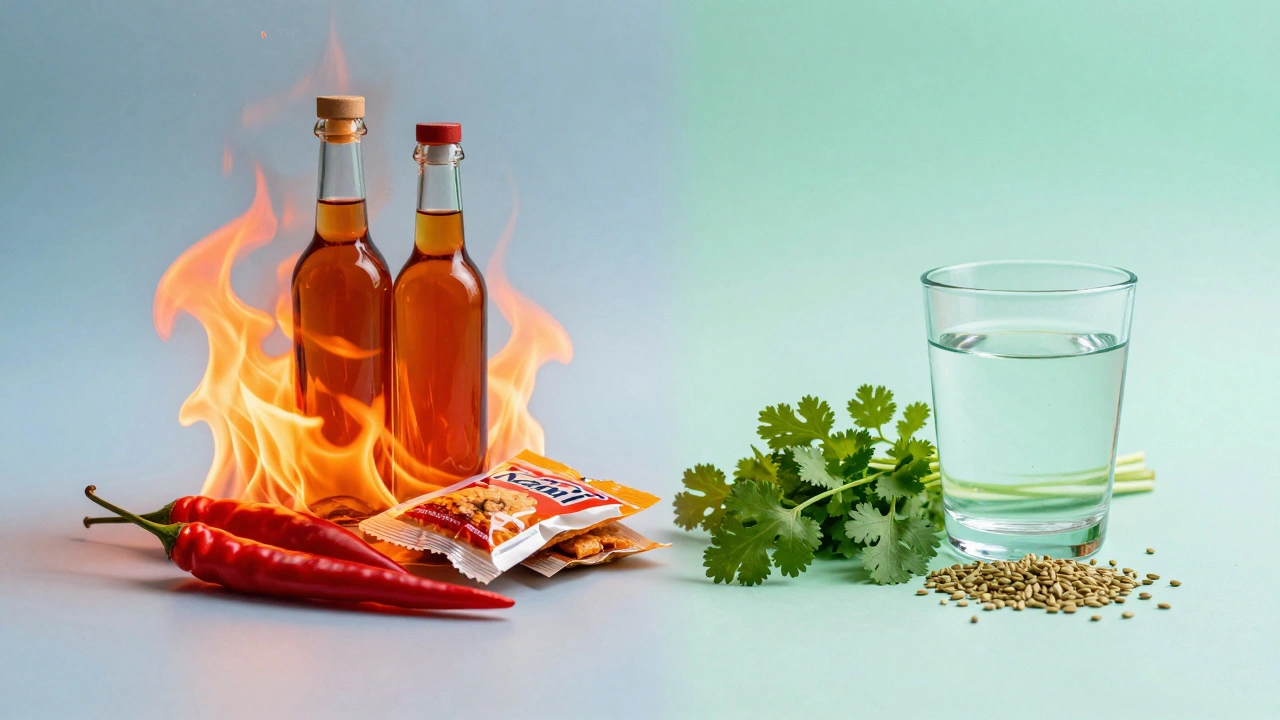
Foods that are excessively salty, sour, or spicy act like gasoline on a Pitta fire. For example, eating a large amount of pickled vegetables (sour) combined with hot chili peppers (spicy) can cause an immediate flare-up of acid reflux or skin rashes in Pitta-dominant individuals. The goal isn't to eliminate these tastes entirely, but to balance them with cooling, sweet, and bitter flavors.
Foods That Fuel the Fire
Let's get specific about what typically triggers inflammation from an Ayurvedic perspective. It's not just about "junk food," but also about biological incompatibilities.
Refined Carbohydrates and Sugars
White bread, pasta, and sugary sodas are stripped of their natural nutrients. Because they are absorbed so quickly, they cause a spike in blood glucose, which promotes the production of pro-inflammatory cytokines. In Ayurveda, these are considered "tamasic" foods-heavy and dull-which cloud the mind and slow down the metabolism.
The Nightshade Family
This includes Nightshades like tomatoes, potatoes, eggplants, and bell peppers. While nutrient-dense, these plants contain alkaloids (like solanine) that can irritate the gut lining and increase joint permeability. If you have rheumatoid arthritis or chronic joint pain, you'll often find that removing these for a few weeks significantly reduces swelling.
Processed Oils and Trans Fats
Refined seed oils-like soybean, corn, or canola oil-are often high in omega-6 fatty acids. While we need some omega-6, an imbalance (too much omega-6 compared to omega-3) drives systemic inflammation. Ayurveda prefers warm-pressed oils like Ghee, which is clarified butter. Ghee is unique because it's a fat that actually supports Agni without aggravating Pitta.
| Inflammatory Choice | Ayurvedic Alternative | Reason for Change |
|---|---|---|
| White Sugar | Raw Honey or Dates | Easier on the liver and less disruptive to blood sugar. |
| Refined Seed Oils | Ghee or Coconut Oil | Better stability and supports digestive fire. |
| Processed Flour | Quinoa or Barley | Higher fiber to clear Ama from the colon. |
| Excessive Chili/Vinegar | Fresh Cilantro or Fennel | Cools the system and reduces Pitta heat. |
The Danger of "Wrong Food Combinations"
One of the most unique aspects of inflammatory foods in Ayurveda is the concept of Viruddha Ahara, or incompatible food combinations. You might be eating "healthy" ingredients, but combining them in the wrong way can create toxins.
A classic example is mixing fruit with milk. Fruits digest very quickly, while milk takes much longer. When fruit sits in the stomach waiting for the milk to process, it begins to ferment. This fermentation creates Ama, which leads to congestion and inflammation in the sinuses and joints. Another common mistake is eating cold salads with ice-cold dressing; this essentially "puts out" your digestive fire, leaving food undigested and inflammatory.
How to Cool the System and Reduce Inflammation
If you've realized your diet is too inflammatory, you don't need to panic. The key is to transition slowly. Start by introducing "cooling" foods that counteract the heat of Pitta.
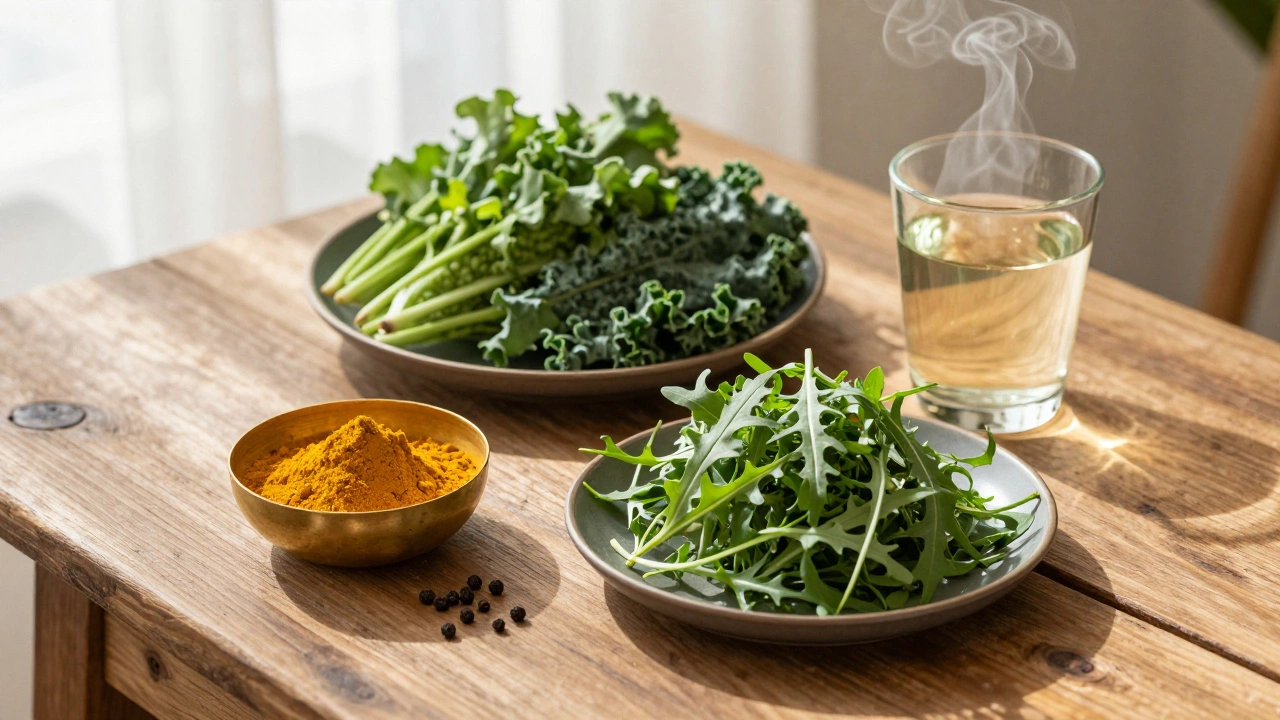
- Sip Warm Water: Avoid ice-cold drinks. Warm water helps flush out Ama and keeps the digestive tract supple.
- Use Anti-Inflammatory Spices: Turmeric is the gold standard. Its active compound, curcumin, inhibits the same inflammatory pathways that pharmaceutical NSAIDs target, but without the gut irritation. Combine it with a pinch of black pepper to increase absorption.
- Prioritize Bitter Greens: Arugula, kale, and dandelion greens help "scrape" toxins from the liver and blood, reducing overall systemic inflammation.
- Eat Mindfully: Inflammation often starts with stress. Eating in a rushed, anxious state triggers a fight-or-flight response that shuts down digestion, regardless of what is on your plate.
Practical Steps for Daily Balance
Changing your diet isn't about a strict set of rules, but about observing your body. Do you feel a "heat wave" in your chest after eating spicy food? That's a sign of Pitta aggravation. Do you feel heavy and foggy after a bowl of pasta? That's Ama buildup.
Try the "One-Food-At-A-Time" rule for a week. If you suspect nightshades are causing your joint pain, remove all of them for seven days, then reintroduce them one by one. If your knees flare up after the tomatoes but not the peppers, you've found your specific inflammatory trigger. This personalized approach is the heart of Ayurvedic healing.
Are all spicy foods inflammatory in Ayurveda?
Not necessarily. While extreme heat (like habaneros) can aggravate Pitta and cause inflammation, mild spices like ginger and cumin actually stimulate Agni, helping to digest food more efficiently and prevent the formation of Ama. It depends on your specific dosha balance.
Why are nightshades considered inflammatory?
Nightshades contain alkaloids that can interfere with the lining of the gut and trigger immune responses in sensitive individuals. In Ayurveda, they are seen as potentially irritating to the joints and skin, particularly for those with a high Pitta or Vata imbalance.
Can honey be inflammatory?
Raw honey is generally anti-inflammatory and cooling. However, Ayurveda warns never to heat honey or cook with it, as heated honey is believed to create a sticky toxin that can clog the channels of the body, leading to inflammation.
Is dairy inflammatory in Ayurveda?
It depends. Fresh, organic milk from grass-fed cows is considered nourishing. However, aged cheeses and commercial processed dairy are often too heavy and salty, which can create Ama and contribute to mucus and inflammation in the respiratory tract.
How do I know if my food is causing inflammation?
Look for signs like excessive bloating, a thick white coating on your tongue (a classic sign of Ama), joint stiffness after meals, or sudden skin rashes. If you feel lethargic and "foggy" after eating, the food is likely not being digested properly and is causing inflammation.