Medical Travel Risk Estimator
Trip Parameters
Risk Assessment Report
Overall Health Risk Level
Infectious Disease Risk
Surgical Safety Index
Preparation Checklist:
- Select parameters to generate recommendations.
*Safety Index represents estimated adherence to international hygiene standards based on accreditation status.*
Enter your trip details to see a personalized risk profile and preparation guide.
Which country actually gets sick the most? It sounds like a simple question, but the answer is surprisingly messy. If you look at raw numbers, China or India might top the list simply because they have billions of people. But if we talk about health risk, the picture changes completely. Some nations face higher rates of infection, chronic disease, or preventable illness per capita than others.
For travelers considering medical tourism, understanding these global health landscapes is crucial. You don’t just want to know where the best hospitals are; you need to know what health risks exist in those regions. Are you traveling for elective surgery? Or are you worried about catching something while abroad? Let’s break down the data, strip away the noise, and see which countries really struggle with high illness rates-and why that matters for your travel plans.
How Do We Measure "Getting Sick"?
Before pointing fingers at specific countries, we need to agree on what "getting sick" means. Health experts use different metrics depending on the context. The World Health Organization (WHO) and other global bodies track three main indicators:
- Disease Burden is a measure of the gap between current health status and an ideal situation where everyone lives into old age free of disease and disability. This is often measured in DALYs (Disability-Adjusted Life Years). It combines years of life lost due to premature death and years lived with disability.
- Infectious Disease Prevalence is the rate of active infections like HIV, tuberculosis, or malaria within a population. This is critical for short-term travelers.
- Chronic Disease Incidence is the frequency of long-term conditions like heart disease, diabetes, and cancer. This affects aging populations and lifestyle-related health issues.
If you’re planning a medical trip, you care mostly about infectious risks and the quality of healthcare infrastructure. If you’re moving abroad, chronic disease management becomes more relevant. Most "high sickness" rankings focus on the first two: places where people get infected easily or die young from treatable conditions.
Countries with the Highest Infectious Disease Rates
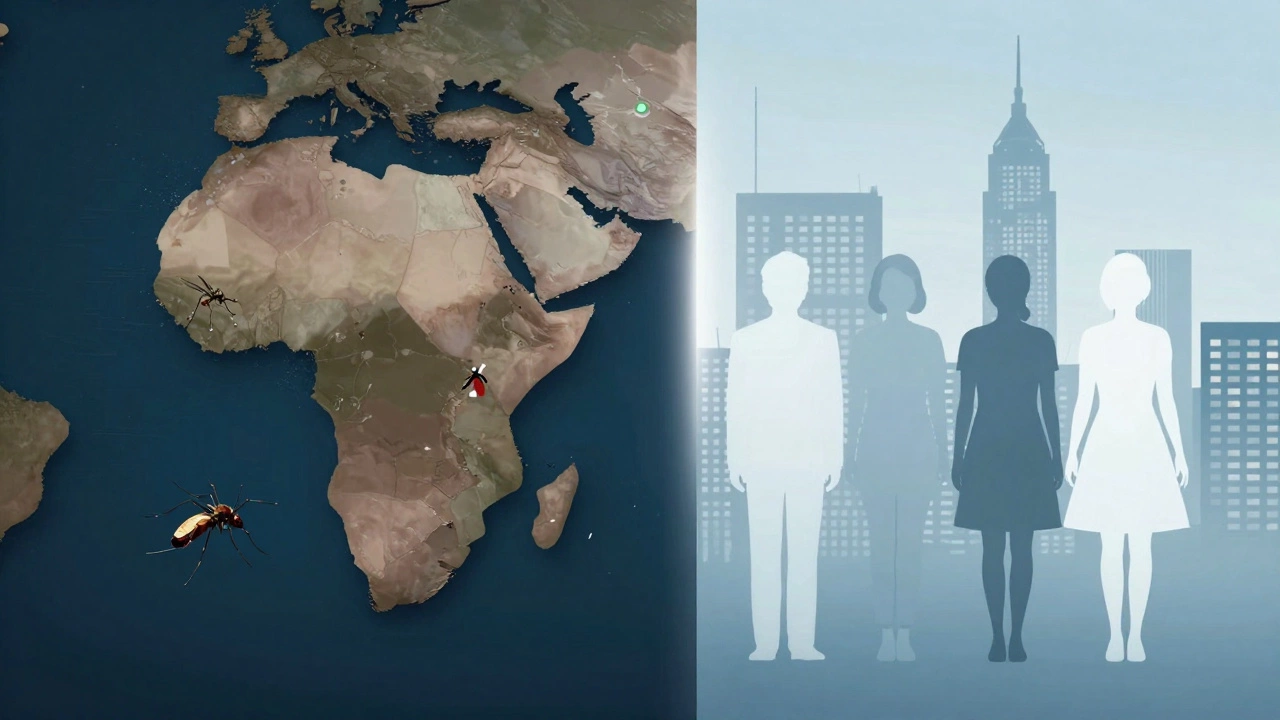
When we talk about who gets sick the most from infections, Sub-Saharan Africa consistently appears at the top of global health reports. Countries like the Democratic Republic of the Congo, Malawi, and Mozambique face heavy burdens from malaria, HIV/AIDS, and respiratory infections. According to recent WHO data, malaria alone accounts for hundreds of thousands of deaths annually in this region.
Why is this happening? It’s not just bad luck. These nations often struggle with limited access to clean water, inadequate sanitation, and underfunded public health systems. Mosquito-borne diseases thrive in tropical climates without proper vector control. Meanwhile, antibiotic resistance is rising globally, making once-treatable bacterial infections harder to manage.
| Country | Primary Diseases | Key Risk Factors |
|---|---|---|
| Democratic Republic of Congo | Malaria, HIV, Tuberculosis | Weak infrastructure, conflict zones |
| Malawi | Malaria, Lower Respiratory Infections | Poverty, limited vaccine coverage |
| Mozambique | HIV, Malaria, Diarrheal Diseases | Climate vulnerability, poor sanitation |
| Nigeria | Meningitis, Cholera, Lassa Fever | High population density, urban crowding |
| India | Tuberculosis, Dengue, Typhoid | Massive population, seasonal outbreaks |
Note that India appears here not because its healthcare system is failing, but because its sheer size means millions fall ill even with moderate infection rates. For a traveler, however, the risk profile differs. A visitor to Mumbai faces different exposures than someone living in rural Malawi.

The Chronic Disease Crisis in Wealthier Nations
Here’s the twist: while poorer nations battle infections, wealthier countries are drowning in chronic illnesses. The United States, for example, has some of the highest rates of obesity, type 2 diabetes, and cardiovascular disease in the world. Heart disease remains the leading cause of death in the US, killing nearly 700,000 people each year.
Why does this happen? Lifestyle factors play a huge role. Sedentary jobs, processed food diets, and stress contribute to inflammation and metabolic dysfunction. Even countries with excellent healthcare systems can’t fully reverse the damage caused by decades of unhealthy habits. Japan and South Korea, despite having some of the longest life expectancies, also see rising rates of hypertension and stroke among older adults.
This distinction matters for medical tourists. If you’re seeking treatment for a chronic condition like joint replacement or bariatric surgery, you might look toward countries with advanced surgical expertise rather than worrying about infectious risks. Places like Thailand, Turkey, and Germany offer world-class care for these procedures at lower costs than Western nations.
Medical Tourism Hotspots: Safety vs. Cost
Many people assume that if a country has high illness rates, it’s unsafe for medical tourism. That’s not always true. Medical tourism hubs often operate in parallel with local public health challenges. Private hospitals in Bangkok, Mexico City, or Istanbul cater specifically to international patients and maintain strict hygiene standards comparable to Western facilities.
Let’s compare a few popular destinations:
- Thailand is a leading medical tourism destination known for cosmetic surgery, dental work, and cardiac care. While dengue fever exists locally, private clinics use rigorous screening and prevention protocols for visitors.
- Mexico is a top choice for North Americans seeking affordable dental implants and orthopedic surgeries. Border cities have specialized centers designed for cross-border patients, reducing exposure to general community health risks.
- Turkey is renowned for hair transplants and eye surgery, combining cultural appeal with modern technology. Istanbul’s medical sector is highly regulated, though travelers should still verify clinic credentials independently.
The key takeaway? Don’t judge a hospital by its neighborhood. Research the facility itself. Look for JCI (Joint Commission International) accreditation, which ensures global safety benchmarks. Also, check patient reviews from people with similar backgrounds to yours.
Hidden Risks: Antibiotic Resistance and Traveler’s Diarrhea
Even in relatively healthy countries, travelers face unique threats. Traveler’s diarrhea affects up to 50% of visitors to developing nations. It’s usually caused by E. coli or norovirus picked up from contaminated food or water. While rarely fatal, it can ruin a vacation and delay recovery after surgery.
A bigger concern is antimicrobial resistance (AMR). Overuse of antibiotics in agriculture and medicine has created superbugs that resist standard treatments. Countries with lax regulations on prescription drugs-like parts of Southeast Asia and Latin America-may sell powerful antibiotics over the counter. Taking these without medical supervision can disrupt your gut microbiome and increase susceptibility to future infections.
To protect yourself:
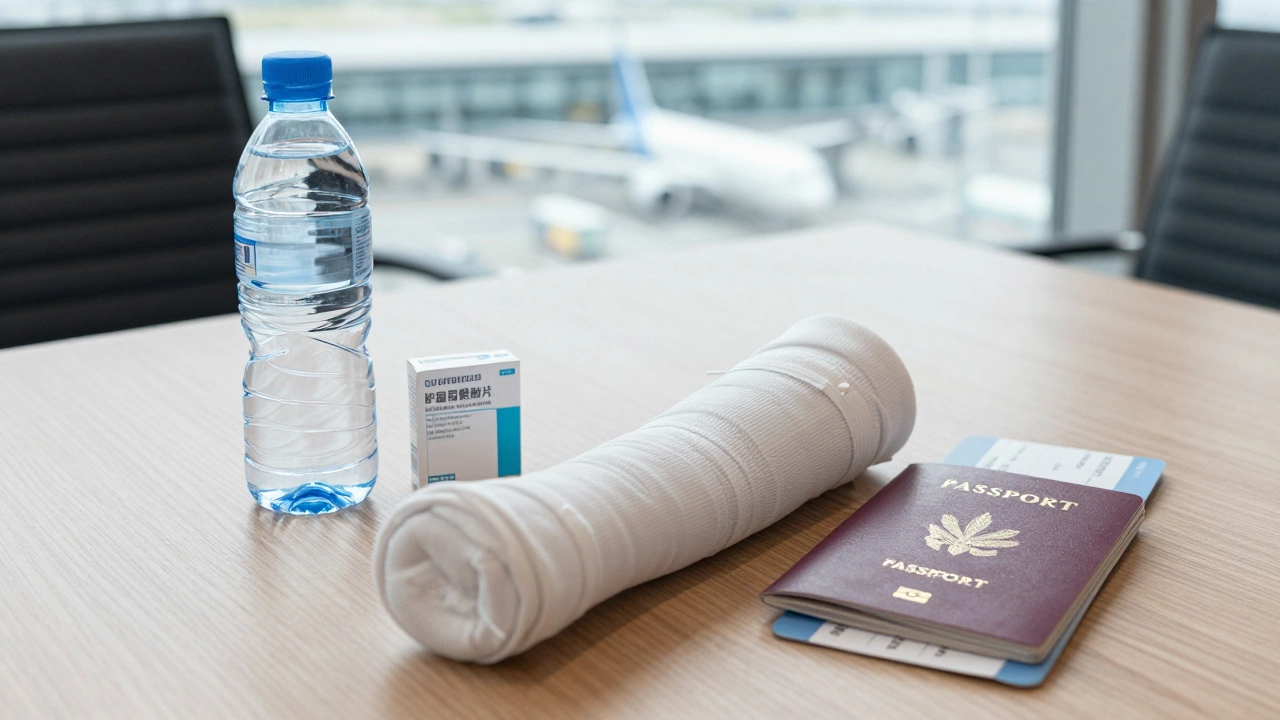
- Drink only bottled or filtered water.
- Avoid street food unless it’s cooked thoroughly and served hot.
- Carry a basic first-aid kit including oral rehydration salts.
- Consult a travel medicine specialist before departure for recommended vaccines.
What Should You Do Before Traveling?
If you’re heading abroad for medical reasons, preparation is everything. Start by checking the CDC’s travel notices or the UK Foreign Office advice for your destination. These resources update regularly based on outbreak alerts.
Next, verify your insurance coverage. Many standard policies exclude pre-existing conditions or elective procedures performed overseas. Consider buying a specialized medical travel policy that covers complications, repatriation, and follow-up care back home.
Finally, build a timeline. Allow extra days for recovery before flying long distances. Blood clots are a real risk after major surgery, especially during flights longer than four hours. Wear compression stockings, stay hydrated, and walk around the cabin periodically.
Is it safe to undergo surgery in a country with high disease rates?
Yes, provided you choose accredited private hospitals. Public health crises don’t necessarily reflect the quality of elite medical centers. Always confirm JCI or equivalent certification and ask about their infection control protocols.
Which countries have the worst healthcare systems?
According to the WHO’s 2024 report, nations like Chad, Central African Republic, and Somalia rank lowest due to funding gaps, political instability, and lack of trained personnel. Avoid relying on public facilities in these areas for non-emergency care.
Can I catch malaria from a short business trip?
It’s possible but unlikely if you stick to urban hotels and take prophylactic medication. Malaria transmission occurs primarily in rural or forested regions. Consult a doctor about doxycycline or mefloquine if visiting endemic zones.
Are chronic diseases more common in rich countries?
Absolutely. Wealthier nations see higher rates of heart disease, diabetes, and cancer due to aging populations and sedentary lifestyles. However, they also have better diagnostic tools and treatment options, improving survival rates.
How do I find reliable medical tourism providers?
Use reputable agencies vetted by organizations like the International Society of Hair Restoration Surgery (ISHRS) or the American Society for Aesthetic Plastic Surgery (ASAPS). Read independent forums and request direct communication with surgeons before booking.