Therapy Demographics: Who Gets Treatment and Why It Matters in India
When we talk about therapy demographics, the patterns of who seeks, gets, and continues mental health treatment across different groups in society. Also known as mental health utilization patterns, it reveals who’s being left behind—and why. In India, therapy isn’t just about who’s struggling—it’s about who can afford to walk through the door, who feels safe enough to speak up, and who’s even told therapy is an option.
Most people seeking therapy in urban India are middle-class women between 25 and 45. They’re often the ones with jobs, internet access, and some awareness of mental health. But what about men over 50? Or people in rural villages? Or those earning under ₹15,000 a month? They’re rarely counted in therapy stats. The mental health treatment gap, the difference between how many people need help and how many actually get it in India is massive—over 80% of those with depression or anxiety never see a professional. Why? Cost, yes—but also shame, family pressure, and the belief that "real men don’t cry" or "our ancestors didn’t need therapy." Even when services exist, they don’t reach the people who need them most.
And then there’s the therapy access barrier, the invisible walls made of language, location, and lack of trained providers. Most therapists work in cities. Most rural clinics don’t have a single counselor. And while apps and online sessions are growing, they still require smartphones, data, and digital literacy—luxuries not everyone has. The result? Therapy isn’t evenly distributed. It’s concentrated among those who already have privilege.
But here’s the thing: therapy demographics aren’t just numbers. They’re stories. The woman in Bangalore who finally found a therapist after her divorce. The farmer in Bihar who still thinks anxiety is "weakness." The teenager in Jaipur who hides their antidepressants because their uncle says "mental illness is a curse." These aren’t abstract trends—they’re real people, silenced by systems that don’t see them.
What you’ll find in the posts below isn’t just data. It’s the raw, real, often uncomfortable truth about who gets help in India—and who doesn’t. From the cost of Ozempic and Wegovy (yes, even weight-loss drugs tie into mental health access) to the stigma around ADHD and depression, these articles show how therapy isn’t just about psychology—it’s about economics, culture, and power. You’ll see how gender, income, location, and even pharmacy chains shape who walks out with a prescription and who walks away empty-handed. No fluff. No guesses. Just what’s actually happening on the ground.
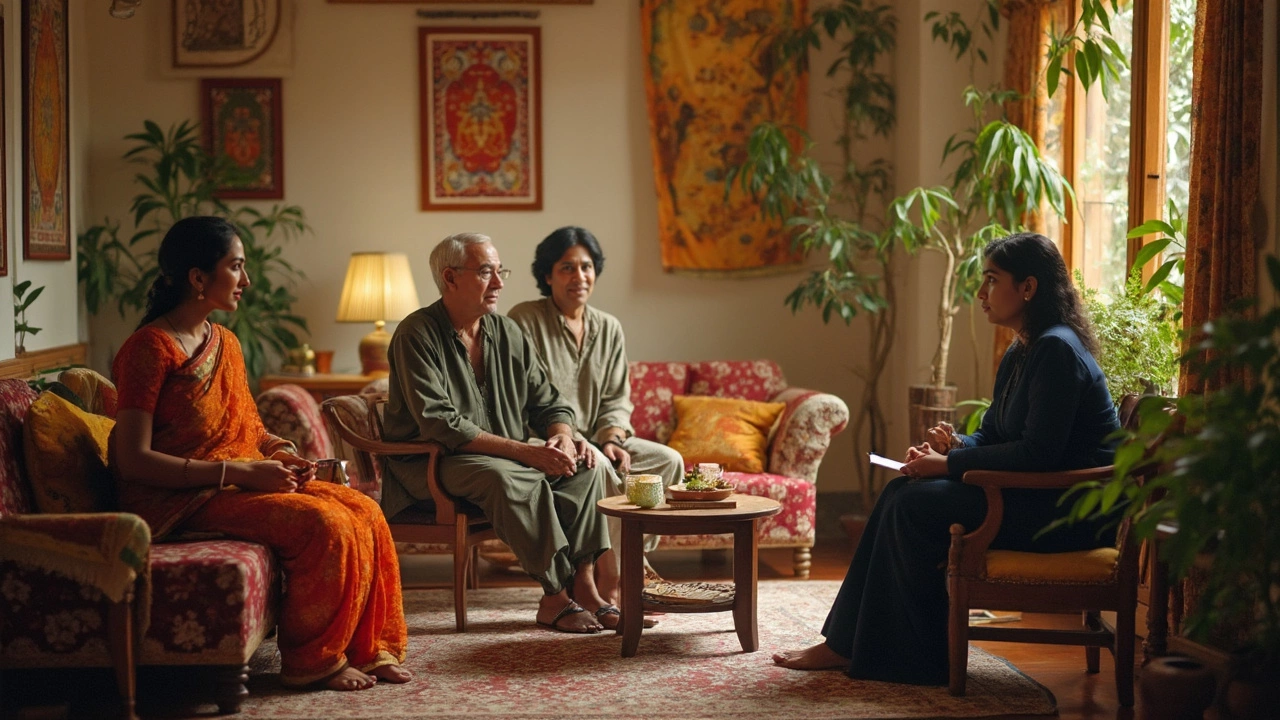
Who Seeks Therapy the Most? A Look into Mental Health Trends
Therapy is becoming more common, with various groups seeking mental health support for different reasons. This article explores which demographics visit therapists the most and touches on the stigma surrounding therapy. We delve into the motivations for therapy, along with practical tips for both newcomers and seasoned clients. The rise in therapy sessions indicates growing awareness and acceptance of mental health care.