Severe Mental Illness Symptoms: Signs, Risks, and What to Do Next
When someone is living with severe mental illness symptoms, a group of conditions that drastically impair thinking, emotion, and daily functioning. Also known as serious mental disorders, these aren’t just bad days or stress—they’re medical conditions that reshape how a person sees the world, relates to others, and even takes care of themselves. Many people mistake these symptoms for laziness, moodiness, or weakness. But the truth is, severe mental illness symptoms like hallucinations, extreme mood swings, or paralyzing fear aren’t choices. They’re biological signals that the brain is struggling to function normally.
These symptoms often show up in specific patterns. For example, someone with schizophrenia, a brain disorder that causes distorted thinking, hallucinations, and loss of touch with reality might hear voices no one else hears, or believe they’re being followed when they’re not. Someone with bipolar disorder, a condition marked by extreme highs and lows in mood, energy, and activity levels might go from sleeping 12 hours a day to not sleeping for days, spending money recklessly, or talking so fast no one can interrupt them. And with severe depression, a form of depression so intense it stops people from eating, moving, or wanting to live, even getting out of bed feels impossible. These aren’t just feelings—they’re physical changes in the brain, often linked to genetics, trauma, or chemical imbalances.
What makes these conditions dangerous isn’t just the symptoms themselves, but how long they go ignored. People with severe mental illness often hide their struggles out of shame, or their families mistake them for personality quirks. But untreated, these conditions can lead to job loss, broken relationships, substance abuse, or even suicide. The good news? These illnesses are treatable. Medication, therapy, and community support can restore function and hope. The key is recognizing the signs early and acting before the person loses too much ground.
In the posts below, you’ll find real, no-fluff insights into what these symptoms look like in daily life, how they’re diagnosed in India, and what treatments actually work. From how schizophrenia affects a family’s routine, to why bipolar disorder is often misdiagnosed as depression, to what helps people with OCD regain control—these stories aren’t theory. They’re lived experiences, backed by medical understanding. You’ll also learn what to say when someone tells you they’re hearing voices, or how to help a loved one who won’t leave their room. This isn’t about labeling. It’s about recognizing suffering and knowing how to respond.
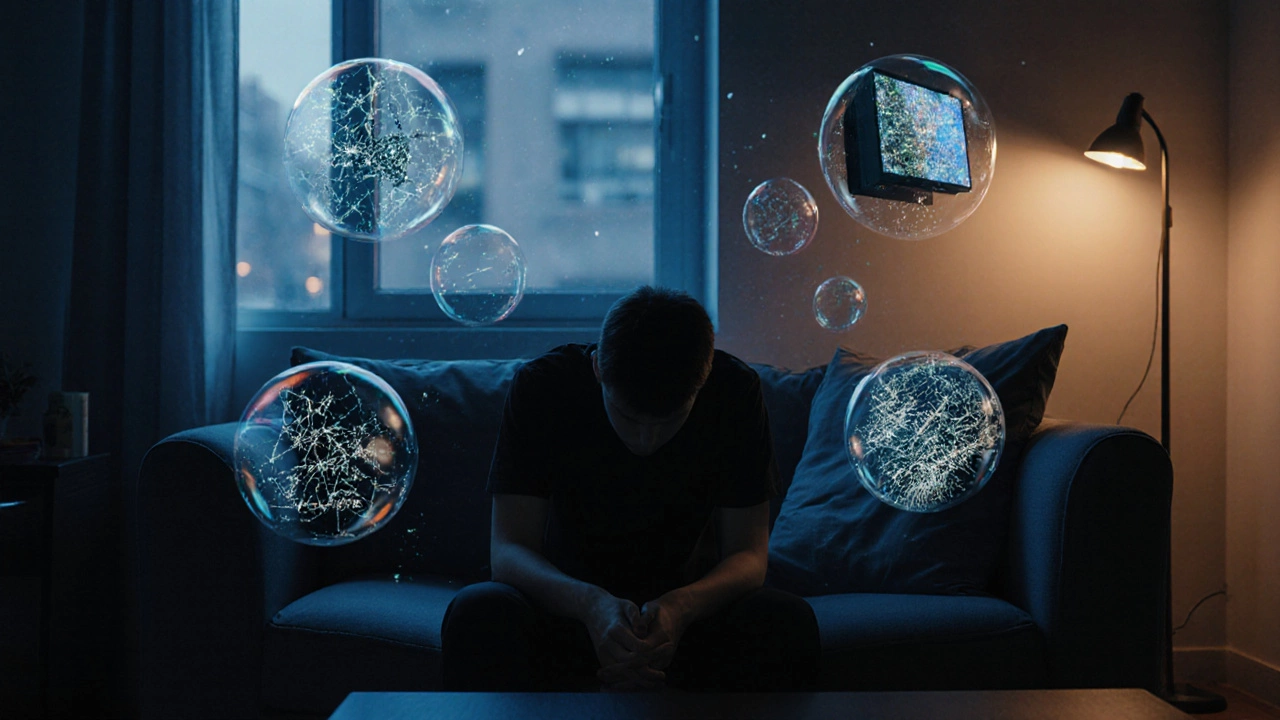
Hardest Mental Illnesses to Live With - Symptoms, Impact & Help
Explore the most disabling mental illnesses, their symptoms, daily impact, and practical steps to get help and manage life with these conditions.