PTSD: What It Is, How It Affects You, and What Works
When something terrible happens—like an accident, violence, or combat—it’s normal to feel shaken. But for some people, that fear doesn’t fade. That’s when PTSD, a mental health condition triggered by experiencing or witnessing a traumatic event. Also known as post-traumatic stress disorder, it doesn’t mean you’re weak. It means your brain got stuck in survival mode. You might jump at loud noises, avoid places that remind you of the event, or feel numb even when you’re safe. It’s not something you can just "get over." It needs understanding, and yes, treatment.
PTSD doesn’t look the same for everyone. Some people have nightmares. Others feel constant guilt or anger. Some shut down emotionally. Some can’t sleep. It can show up weeks after the event—or years later. It affects soldiers, accident survivors, victims of abuse, first responders, and even people who witnessed a tragedy on TV. And here’s the thing: it’s not rare. One in eleven people in India will deal with PTSD at some point in their life. What’s more, it often shows up with other problems—like depression, anxiety, or chronic pain. That’s why treating just the symptoms isn’t enough. You need to address the root: the trauma stored in your nervous system.
Thankfully, PTSD treatment, evidence-based therapies that help rewire the brain’s response to trauma has come a long way. Talking therapy, like cognitive processing therapy or EMDR, works better than pills for most people. Movement—yoga, walking, even dancing—can help your body release trapped stress. And support from others who’ve been through it? That’s not optional. It’s essential. You don’t have to carry this alone.
What you’ll find below are real stories and facts from people who’ve lived through trauma and found ways forward. Some wrote about how PTSD changed their sleep, their relationships, their jobs. Others shared what actually helped—what didn’t work, what did. There’s no magic fix, but there are proven paths. And you’re not broken. You’re healing.
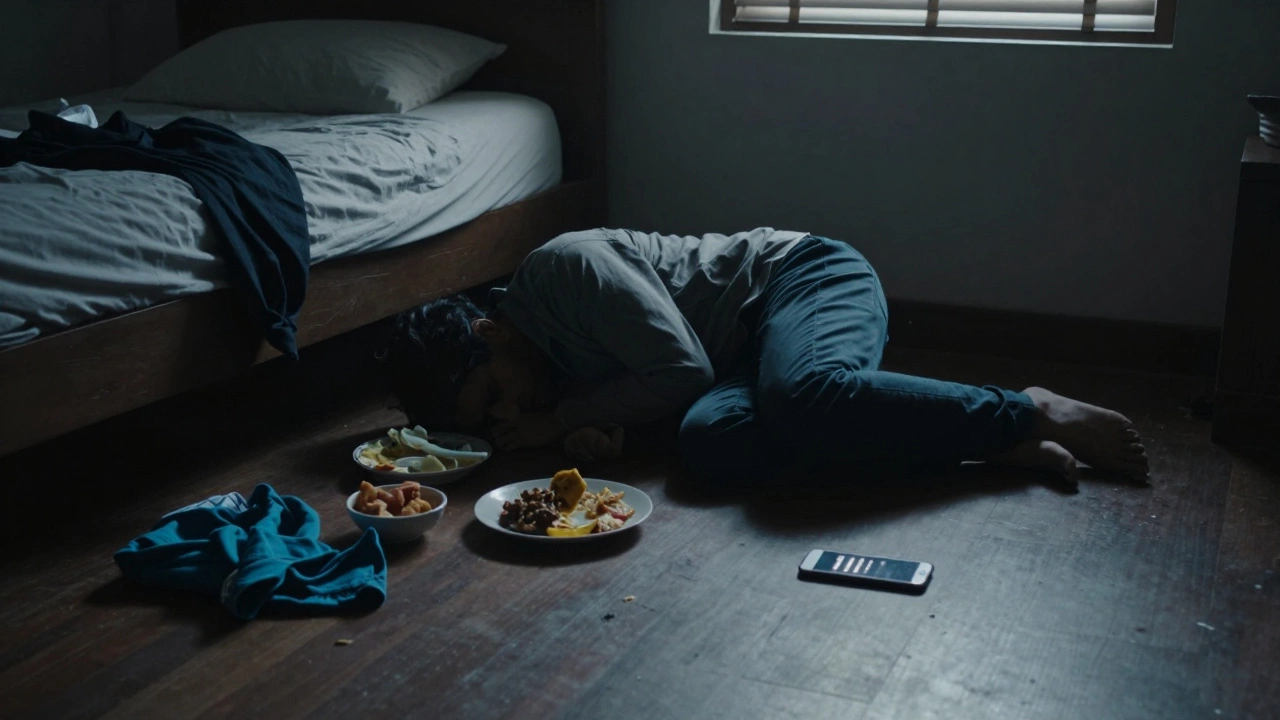
What Are the 10 Most Disabling Mental Illnesses?
The 10 most disabling mental illnesses include severe depression, schizophrenia, bipolar disorder, OCD, PTSD, and others that can destroy daily functioning. Learn how they impact lives and what help is available.