Pancreatic Cancer: Symptoms, Risks, and What You Can Do
When we talk about pancreatic cancer, a aggressive form of cancer that starts in the tissues of the pancreas, an organ behind the stomach that helps with digestion and blood sugar control. It's often called a silent killer because it rarely shows clear warning signs until it's advanced. Unlike some cancers that have routine screening tests, pancreatic cancer doesn’t. That’s why knowing the subtle clues — and who’s most at risk — can save lives.
People with a family history of pancreatic cancer are at higher risk, especially if a close relative had it before age 50. Smoking doubles your risk. Long-term diabetes, chronic pancreatitis, and obesity also stack the odds. And while pancreatic cancer treatment has improved — with better surgery, targeted drugs, and personalized chemo — the pancreatic cancer survival rate still lags behind other cancers. Only about 12% of people survive five years after diagnosis. But that number rises sharply if it’s caught early, before it spreads.
Most people don’t realize the early signs: unexplained weight loss, new-onset diabetes in someone over 50, jaundice (yellow skin or eyes), belly pain that wraps around to the back, or sudden, severe indigestion that doesn’t go away. These aren’t flashy symptoms — they’re easy to ignore. But if you’ve had one or more of these for weeks and nothing’s helping, it’s not just "old age" or "stress." It could be your pancreas sending a signal.
The posts here don’t sugarcoat it. They talk about what doctors actually see, what tests get ordered when pancreatic cancer is suspected, and what real people have done when faced with this diagnosis. You’ll find stories about non-surgical options, how diet and pain management help during treatment, and what happens after surgery — not just the clinical facts, but the human side too. This isn’t about fear. It’s about knowing what to look for, what questions to ask, and where to start when time matters most.
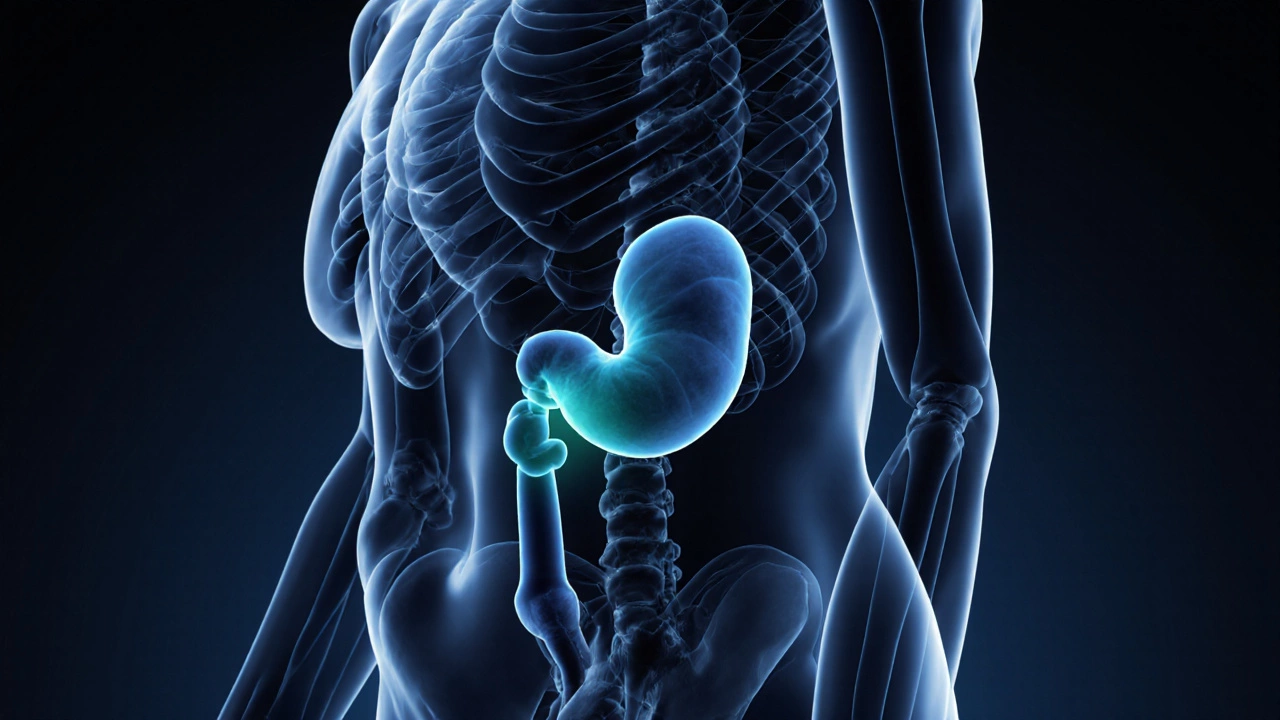
Which Cancer Is Called the Silent Killer?
Explore why pancreatic, ovarian, liver and other cancers are called silent killers, their hidden symptoms, risk factors, and early‑detection strategies you can use today.

Most Aggressive Cancer: Facts, Symptoms, Risks, and Treatment Challenges
Discover which cancer is most aggressive, signs to watch for, why it's deadly, risk factors, real survival odds, and what treatment looks like today.

Hardest Cancers to Cure: Exploring Why Pancreatic Cancer Remains So Deadly
What makes pancreatic cancer so tough to treat? Explore real reasons behind its high death rate, challenges doctors face, and fresh hope on research front.