Ovarian Cancer: Symptoms, Screening, and What You Can Do
When we talk about ovarian cancer, a type of cancer that begins in the ovaries, often without clear warning signs until it has spread. It's one of the deadliest gynecological cancers because it doesn't shout—it whispers. Many women ignore early signs like bloating, pelvic pain, or feeling full quickly after eating, thinking it’s just indigestion or stress. But these aren’t normal. If they last more than two weeks, they could be your body’s quiet cry for help.
ovarian cancer screening, currently limited to transvaginal ultrasound and CA-125 blood tests, is not foolproof but can help in high-risk cases. The truth? There’s no routine test for everyone, unlike mammograms for breast cancer. That’s why knowing your family history matters—especially if you have BRCA1 or BRCA2 gene mutations. Women with a close relative who had ovarian cancer are at higher risk, and so are those who’ve never given birth or started menopause late. Age plays a role too—most cases happen after 50.
ovarian cancer treatment, usually starts with surgery to remove tumors, followed by chemotherapy, and sometimes targeted therapy, has improved over the years. But survival rates drop sharply if it’s found after spreading beyond the ovaries. That’s why recognizing patterns is critical. Fatigue, frequent urination, changes in bowel habits, and unexplained weight loss? Don’t brush them off. Track them. Talk to your doctor. Even if you’re not in a high-risk group, your symptoms deserve attention.
What you’ll find in the posts below aren’t generic lists. These are real stories and facts from Indian women and doctors—about how symptoms were missed, how some found answers through persistence, and what treatments actually work in local hospitals. You’ll see what tests doctors use here, how ovarian cancer connects to other conditions like endometriosis, and why early action isn’t just smart—it’s life-saving.
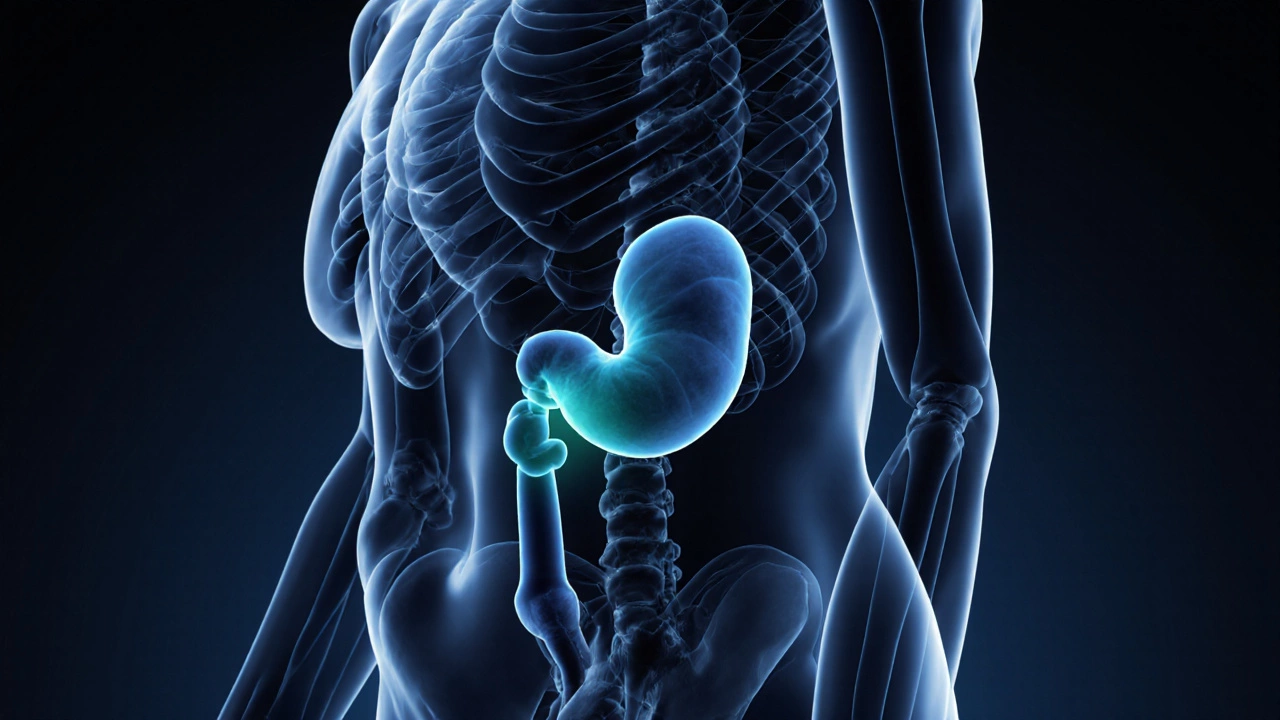
Which Cancer Is Called the Silent Killer?
Explore why pancreatic, ovarian, liver and other cancers are called silent killers, their hidden symptoms, risk factors, and early‑detection strategies you can use today.