MRI for Joints: What It Shows and When You Really Need It
When your knee aches, your shoulder won’t lift, or your hip locks up, doctors often suggest an MRI for joints, a detailed imaging test that captures soft tissues, cartilage, ligaments, and tendons inside your joints. Also known as magnetic resonance imaging, it doesn’t use radiation—just strong magnets and radio waves—to show problems X-rays can’t see. Unlike basic scans, an MRI for joints can spot early cartilage wear, torn ligaments, fluid buildup, or hidden inflammation long before bones start to change.
Most people ask: Do I really need this? The answer isn’t yes or no—it’s what’s wrong. If you’ve had a sports injury, persistent swelling, or pain that won’t quit after months of rest and painkillers, an MRI helps confirm if it’s a meniscus tear, rotator cuff damage, or early osteoarthritis. For example, someone with bone-on-bone knee pain might skip surgery if an MRI shows only mild cartilage loss and strong muscles around the joint. On the flip side, if your shoulder pain started after a fall and you can’t lift your arm, an MRI can tell if it’s a torn tendon or just a strained muscle—changing your whole recovery plan.
It’s not just knees and shoulders. MRIs for joints also help diagnose issues in the hip, ankle, wrist, and even the spine’s facet joints. Doctors use them to rule out conditions like tendonitis, bursitis, or even rare tumors hiding in soft tissue. But here’s the thing: not every ache needs an MRI. If your pain improves with walking, stretching, or simple anti-inflammatories, you might not need one at all. Studies show that many people get MRIs too early, leading to unnecessary worry or even surgery for findings that wouldn’t have caused symptoms. The real value? Using it when the story doesn’t add up—when pain doesn’t match the physical exam, or when treatment stalls.
What you’ll find in the posts below are real stories from people who’ve been there. Some avoided knee replacement thanks to an MRI that showed repairable damage. Others learned their shoulder pain wasn’t a tear at all—it was nerve irritation. You’ll see how MRI results connect to non-surgical options, rehab plans, and when surgery becomes the only path. No fluff. Just what the scan shows, what it means for your daily life, and how to use the results to make smarter choices.
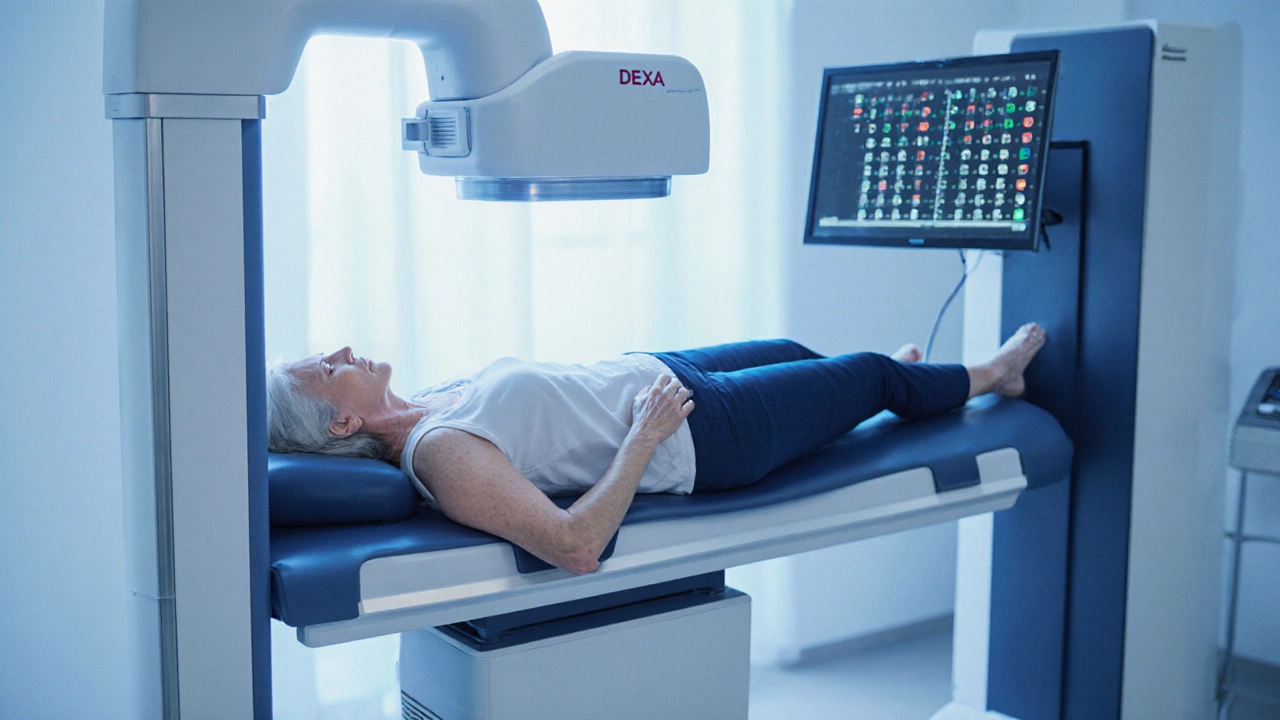
Best Tests for Bones and Joints: What Doctors Actually Use
Discover the most effective tests for bone and joint pain - from X-rays and MRIs to DEXA scans and blood tests. Learn what doctors in India actually use to diagnose the real cause of your discomfort.