Knee Replacement: What It Is, Who Needs It, and How to Recover Right
When your knee replacement, a surgical procedure to replace a damaged knee joint with an artificial one. Also known as total knee arthroplasty, it helps people walk again without constant pain. Most people who get it have severe arthritis, a condition where the cartilage in the knee breaks down, causing bone to rub against bone. It’s not just for older adults—people in their 50s and 60s with chronic pain from osteoarthritis or past injuries are the most common candidates. If simple fixes like painkillers, physical therapy, or walking aids don’t help anymore, knee replacement often becomes the next step.
It’s not just about swapping out bone. The surgery replaces the worn-out surfaces of the thighbone, shinbone, and kneecap with metal and plastic parts. The goal isn’t to make your knee feel like new—it’s to make it feel usable. Many patients go from struggling to climb stairs to walking miles without pain. But success depends on what you do after. rehabilitation, the process of regaining strength and movement after surgery is just as important as the operation itself. Skipping physical therapy, avoiding movement out of fear, or pushing too hard too fast are the top reasons recovery stalls. Doctors in India see this all the time: patients who don’t follow rehab plans end up with stiff, weak knees—even after a perfect surgery.
Recovery isn’t the same for everyone. Age, weight, muscle strength before surgery, and how well you stick to your rehab plan all matter. Walking is one of the best things you can do after surgery, but only if you do it right. Too little movement leads to stiffness. Too much too soon risks swelling or injury. The key is consistency—not intensity. Most people start walking with a walker the day after surgery, then move to a cane, then walk without help. It takes weeks, not days. And yes, it’s normal to feel some discomfort. But if your knee swells up, turns red, or you get a fever, call your doctor. Those are signs something’s wrong.
You’ll find posts here that cover what happens before surgery, how to prepare your home, what to expect in the first 30 days, and how to avoid the mistakes most people make. Some talk about walking for stiff knees—something that helps even if you’re not having surgery yet. Others break down the tests doctors use to decide if you’re a candidate. There’s also advice on pain relief, diet, and how to stay active without hurting your joints. This isn’t just about the procedure. It’s about getting your life back. Whether you’re considering surgery, just had it, or are helping someone who did, the info here is practical, real, and made for people living in India—where access to care, recovery habits, and daily routines are different than elsewhere.

How Long to Sleep with Leg Straight After Knee Replacement
After knee replacement, most patients need to keep their leg straight while sleeping for only 1-2 weeks. Beyond that, comfort and safe positioning matter more than rigid alignment. Learn what really works-and what doesn’t.
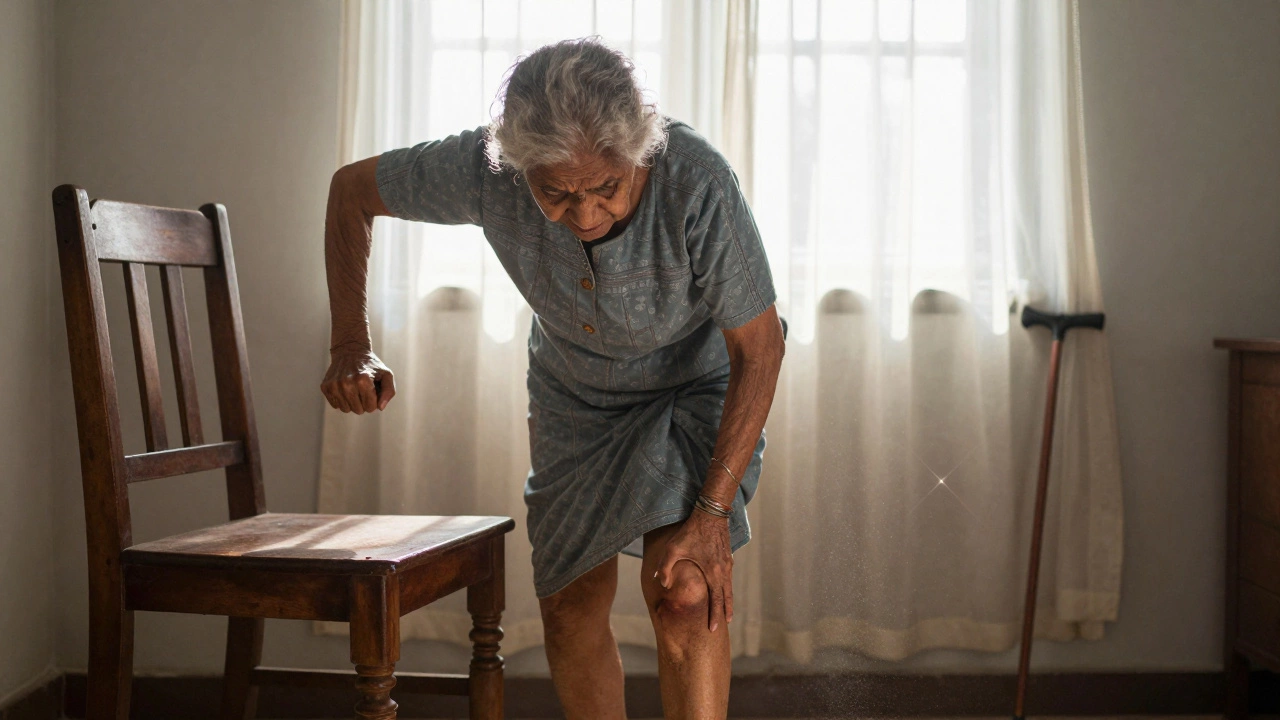
How Bad Does a Knee Have to Be Before It's Replaced?
There's no single pain level that means it's time for knee replacement-but when daily life becomes a struggle, surgery is often the best way to get back your freedom. Learn the real signs your knee has reached its limit.
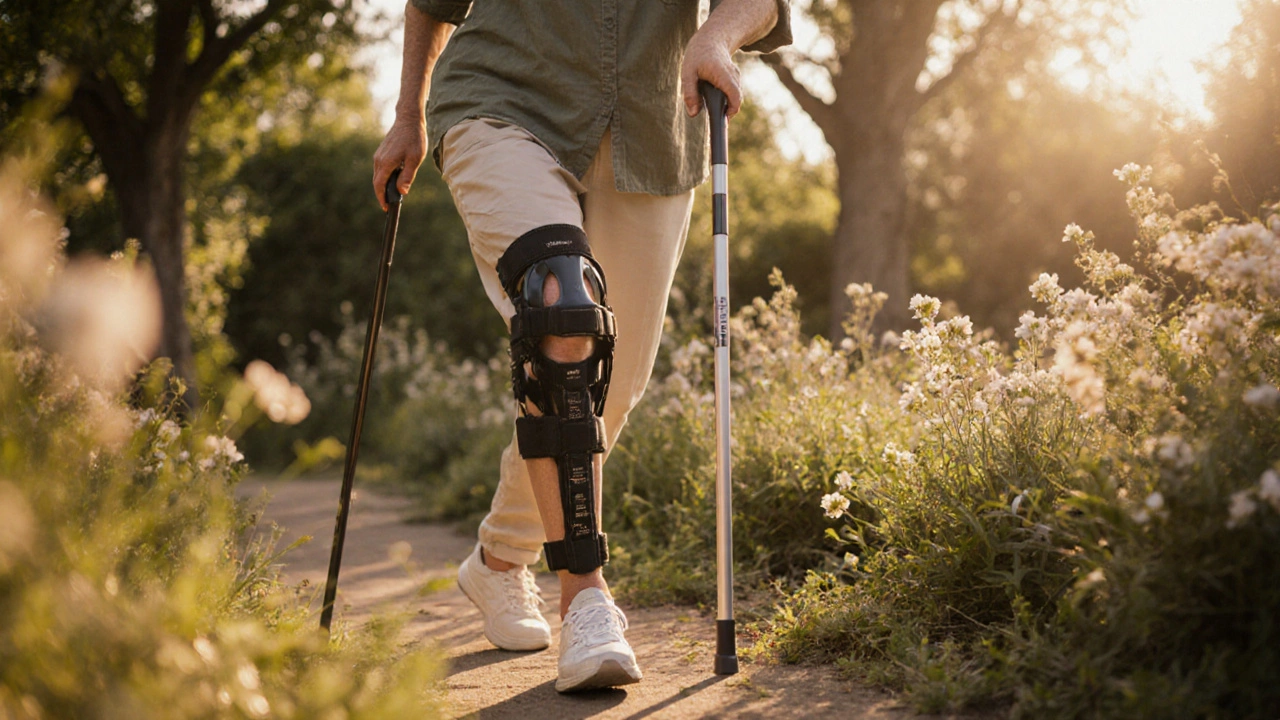
Can You Avoid Knee Replacement If You Are Bone-on-Bone? Real Options Beyond Surgery
Even with bone-on-bone knee arthritis, surgery isn't your only option. Learn proven non-surgical ways to reduce pain, improve mobility, and delay or avoid knee replacement with science-backed strategies.

Knee Replacement Recovery Time: What to Expect and How to Speed It Up
Wondering how long it takes to get back on your feet after knee replacement? This article explains the average recovery time, what makes it faster or slower, and what you might feel along the way. Learn about milestones you can hit each week, plus honest tips for a smoother recovery. Get the lowdown on do’s and don’ts and find out which mistakes really stretch out healing. All info is based on real experiences and up-to-date facts.

How Long Does a Total Knee Replacement Actually Take?
Curious about how long a total knee replacement takes? You might be surprised to know the surgery itself is quick—typically between one to two hours. While the operation is short, the prep and recovery time can add up. It’s also essential to understand the factors that affect recovery and what you can do to prepare and speed up the process. Get ready to dive into the nitty-gritty of knee surgery timelines!

When Does Knee Surgery Stop Being an Option?
Knee surgery is a go-to solution for many dealing with knee issues, but age can play a significant role in whether surgery remains an option. While no strict age limit exists for knee surgery, several factors—such as overall health, lifestyle, and the risks of surgery—play a crucial part in deciding when to stop. The decision isn’t just about years but about balancing benefits against potential complications. Let's explore the practical considerations and cutting-edge alternatives for those seeking relief from knee pain beyond traditional surgery.

Fastest Way to Recover from Knee Replacement
Recovering from knee replacement can be challenging, but with the right approach, you can speed up the process and get back on your feet in no time. Learn practical steps to enhance your recovery, understand the importance of physical therapy, and discover dietary tips for healing. We’ll discuss home environment adjustments and how to keep a positive mindset to make recovery smoother and faster.

How Long Does It Take for Stiffness to Go After Knee Replacement?
Knee replacement surgery can be a real game-changer for those struggling with painful joints. While the surgery can bring relief, many experience stiffness afterward, which raises the big question — how long until it finally eases? Recovery times vary, but most people notice improvements within weeks. By following some practical tips, you can help speed up your recovery process and get back to your daily activities.