Knee Replacement Readiness Calculator
Based on clinical guidelines and research from the Journal of Bone and Joint Surgery, this calculator helps you assess functional limitations that may indicate knee replacement is necessary. Remember: function matters more than pain levels.
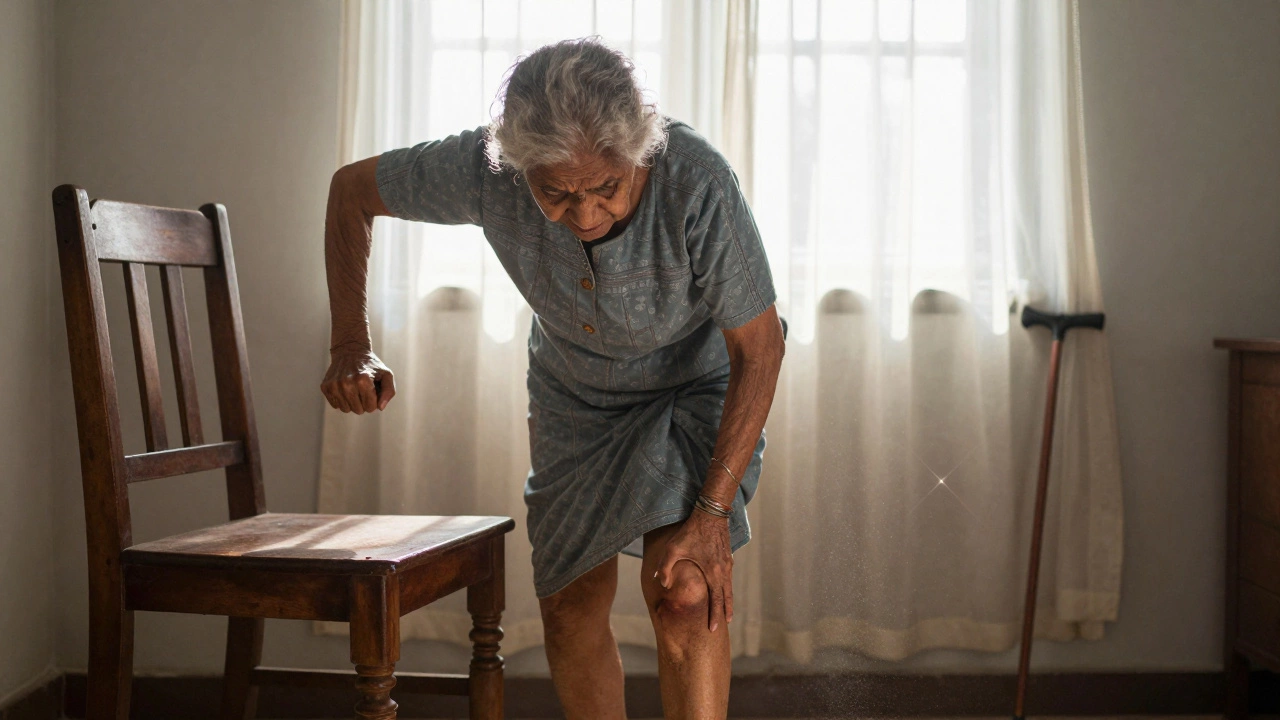
Most people don’t decide to get a knee replacement because they want to. They do it because they can’t walk to the bathroom without pain, can’t get out of a chair without using their hands, and have stopped going for walks because every step feels like stepping on glass. If you’re asking this question, you’re probably already living with that kind of daily struggle. The truth is, there’s no single number on an X-ray or a pain scale that says ‘this is the moment.’ But there are clear signs your knee has reached a point where replacement isn’t just an option-it’s the best way to get your life back.
Your Knee Isn’t Just ‘Worn Out’-It’s Failing
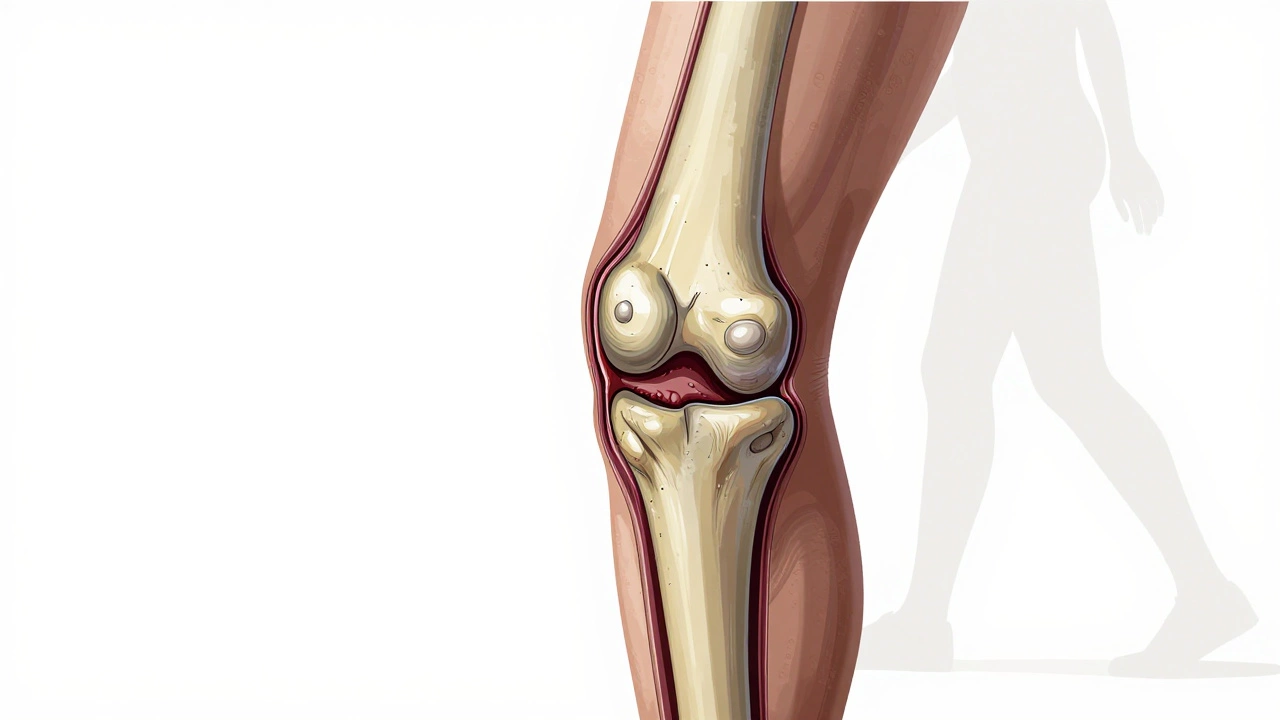
Many think knee pain means you’re just getting older. That’s not true. Millions of people in their 60s, 70s, and even 80s walk without pain because their joints are still healthy. The problem isn’t age-it’s damage. When the cartilage that cushions your knee wears away completely, bone starts grinding on bone. That’s osteoarthritis, and it doesn’t heal. No pill, no injection, no physical therapy can regrow cartilage. Once it’s gone, the pain gets worse over time, not better.
Think of your knee like a car’s suspension. You can drive with a worn shock absorber for a while. But when the metal parts start clanking and the ride becomes unbearable, you don’t keep driving hoping it’ll get better. You replace it. Same with your knee.
Signs Your Knee Has Reached the Breaking Point
Here’s what real, advanced knee damage looks like in everyday life:
- You need a cane or walker just to move around the house
- You’ve stopped climbing stairs because your knee locks or gives out
- You can’t sleep because the pain wakes you up, even with painkillers
- You’ve tried steroid injections and they stopped working-or they only helped for a few weeks
- You’ve done physical therapy for months and still can’t bend your knee past 90 degrees
- You avoid social events because you’re afraid you won’t be able to stand or walk long enough
If even two of these sound like your life right now, your knee is beyond repair. It’s not a matter of ‘waiting a little longer.’ Every day you delay surgery, you risk losing more muscle strength, developing bad posture, or falling because your knee gives way unexpectedly.
Pain Isn’t the Only Measure-Function Is
Some people have severe pain but can still walk 2 miles. Others have moderate pain but can’t stand up from a toilet. The second person often needs surgery sooner. That’s because function matters more than pain numbers.
Doctors use a simple test called the WOMAC scale to measure how well you can do daily tasks. If your score shows you can’t dress yourself, get in and out of the car, or walk more than 10 minutes without stopping, you’re in the range where replacement works best. Studies show patients who wait until they’re barely mobile have longer recoveries and worse outcomes than those who act when they’re still somewhat active.
One patient I worked with in Bangalore, a 68-year-old retired teacher, delayed surgery for two years because she thought she needed to be ‘worse.’ When she finally had it done, she could walk to the temple again-something she hadn’t done in over a year. She didn’t wait until she was bedridden. She waited until she was barely living.
What Happens If You Wait Too Long?
Waiting isn’t harmless. The longer you wait, the more your body adapts to the damage-and that’s not good.
- Your thigh muscles weaken because you stop using the leg. After surgery, you’ll need months of rehab just to rebuild them.
- Your hip and ankle compensate, leading to new pain in other joints.
- Chronic pain changes how your brain processes signals. Even after the knee is replaced, some people still feel pain because their nervous system got stuck in ‘hurt mode.’
- Some patients develop bone spurs or deformities so severe that the surgery becomes more complex, takes longer, and has higher risks.
A 2023 study from the Journal of Bone and Joint Surgery found that patients who had knee replacement after more than 3 years of severe symptoms had 30% slower recovery and were twice as likely to need additional surgery within five years compared to those who acted earlier.
When Is It Too Early?
Some people ask if they should get surgery just because their X-ray shows bone-on-bone. The answer is no. If you’re still walking, sleeping, and doing things you love-then don’t rush. Surgery has risks: infection, blood clots, stiffness, and the possibility that the new joint doesn’t feel perfectly natural.
Good candidates for knee replacement are people who:
- Have confirmed severe osteoarthritis on X-ray or MRI
- Have tried non-surgical options for at least 6 months
- Have pain that interferes with basic daily life
- Are healthy enough for anesthesia and surgery (no uncontrolled diabetes, heart disease, or obesity over BMI 40)
If you’re 55 and your knee hurts after walking a block, but you still play with your grandkids and hike on weekends, you’re not ready. But if you’re 70, can’t stand up from your favorite chair without help, and haven’t left the house in weeks-you are.

It’s Not About Perfection-It’s About Quality of Life
Knee replacement doesn’t give you a perfect knee. It gives you a pain-free knee. You won’t run marathons. You won’t squat like you did at 30. But you’ll walk without wincing. You’ll sleep through the night. You’ll go out for coffee with friends again.
One woman I treated, 72, told me after surgery: ‘I didn’t realize how much I missed just standing at the kitchen counter making tea without holding onto the counter.’ That’s the goal. Not to be athletic. To be free.
Modern knee replacements last 20-25 years in 90% of cases. If you’re over 65, the odds are you’ll never need a second one. Even if you’re 50, you’ll likely get 15-20 years of pain-free life before any revision might be needed.
What Comes Next?
If you’re wondering if you’re ready, start by seeing an orthopedic surgeon-not just for an X-ray, but for a real conversation. Bring a list of your daily struggles. Ask: ‘If I do nothing, what will my life look like in 6 months?’
Don’t wait for the pain to be unbearable. Wait until you’re tired of living with it.
Most people who have knee replacement say one thing: ‘I wish I’d done it sooner.’