Heart Surgery History: How It Evolved and Who It Helps Today
When you think of heart surgery, a medical procedure to repair or replace damaged heart structures, often involving open-chest techniques. Also known as cardiac surgery, it's now one of the most common life-saving operations in India and around the world. But it wasn’t always this way. Just 70 years ago, cutting into the heart was considered suicide. Surgeons didn’t even have the tools to keep blood flowing while operating. The first successful heart surgery—repairing a hole in a child’s heart—happened in 1952. That single case changed everything.
Before modern techniques, patients with heart defects had little hope. Many didn’t live past childhood. Then came the heart-lung machine, the breakthrough that let doctors stop the heart, fix it, and restart it safely. This led to the rise of sternotomy, the standard surgical cut through the breastbone to access the heart. For decades, this was the only way. Surgeons had to spread ribs, crack the sternum, and work in a wet, blood-filled space. Recovery took months. Many never fully returned to normal life.
But technology didn’t stop there. The last 20 years brought minimally invasive heart surgery, smaller incisions, robotic tools, and cameras that let surgeons operate without fully opening the chest. Also known as keyhole heart surgery, it cuts hospital stays in half and reduces pain dramatically. Today, some patients walk the next day. Others get valve replacements without a single broken rib. The old image of heart surgery—big scars, long recovery, high risk—is fading fast.
Yet not everyone is a candidate. Age, other illnesses, and the type of heart damage still decide if surgery is safe. That’s why posts here cover who should avoid it, what alternatives exist, and how modern tools like robotic arms or 3D imaging are making surgery smarter. You’ll also find real stories about recovery, what surgeons actually do during a sternotomy, and how new methods are replacing the old ones—even in small hospitals across India.
What you’ll find in the posts below isn’t just history. It’s the truth behind today’s options. Whether you’re wondering if you’re too old for surgery, if there’s a less invasive way, or if your doctor is pushing the right choice—these articles give you the facts, not the sales pitch. No fluff. No fear-mongering. Just what works, what doesn’t, and how the field got here.
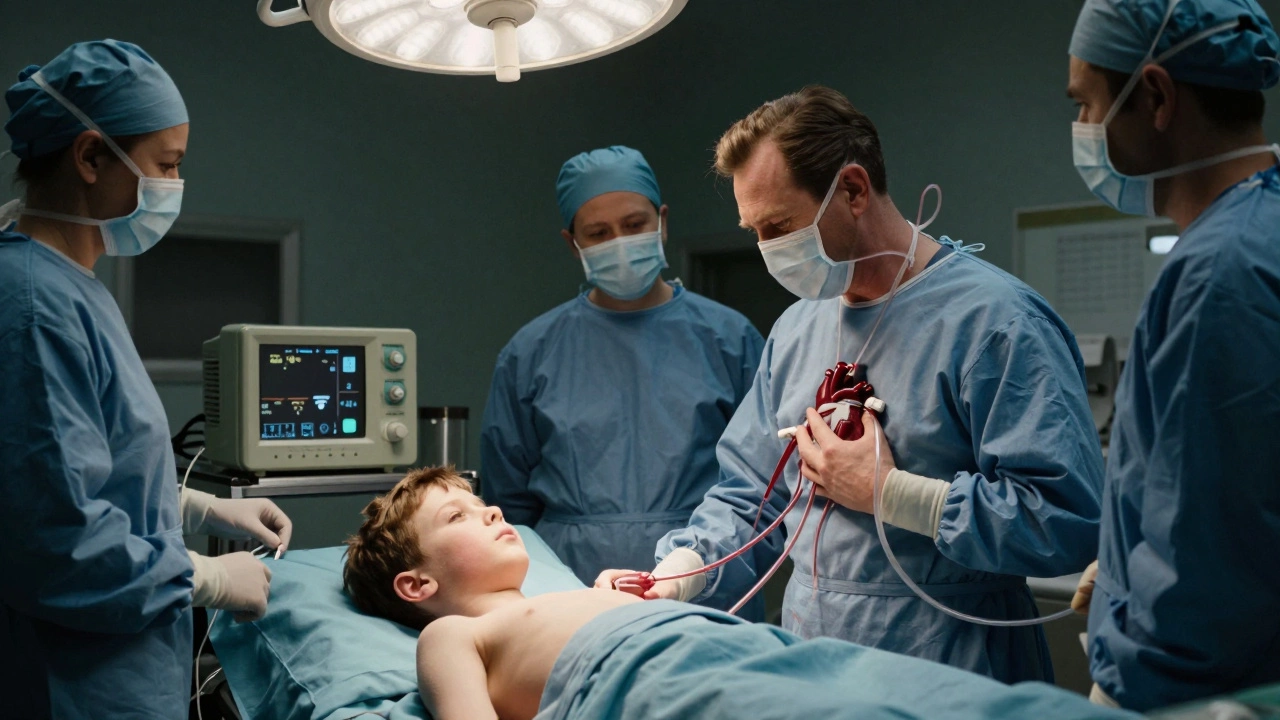
What Was the Deadliest Surgery in Medical History?
The deadliest surgery in history was early open-heart surgery in the 1950s, with a 38% death rate. Dr. Lillehei's cross-circulation technique saved lives at great risk, paving the way for modern cardiac care.