Surgical Success Calculator
Historical Success Calculator
Calculate mortality rates for early open-heart surgeries (1954-1957) based on the article's data.
Historical Mortality Rate: --%
Modern Mortality Rate: 1.5% (current standard)
This represents 0% improvement since the 1950s
Historical Context: Between 1954-1957, 48 out of 127 patients died during open-heart surgeries using cross-circulation. That's a 38% mortality rate—the highest ever recorded for a planned surgical procedure in modern medicine.
Today, mortality rates for similar procedures are under 2% due to advances in heart-lung machines and surgical techniques.
The deadliest surgery ever performed wasn’t the most complex, the most innovative, or even the most famous. It was the first time a human heart was opened and repaired while the patient was still alive. That surgery didn’t just push medical boundaries-it defied everything doctors believed was possible. And nearly half the patients who underwent it died on the table.
The Impossible Operation
In the early 1950s, a heart attack wasn’t just a medical emergency-it was a death sentence. Surgeons couldn’t touch the heart without killing the patient. The organ needed constant blood flow and oxygen. Cut into it, and the patient would die within minutes. Most doctors agreed: the heart was off-limits.
Then came Dr. C. Walton Lillehei at the University of Minnesota. He didn’t have fancy machines. He didn’t have a heart-lung machine like the ones we use today. What he had was a desperate father, a dying 5-year-old boy, and a radical idea: use the father’s circulation to keep the child alive during surgery.
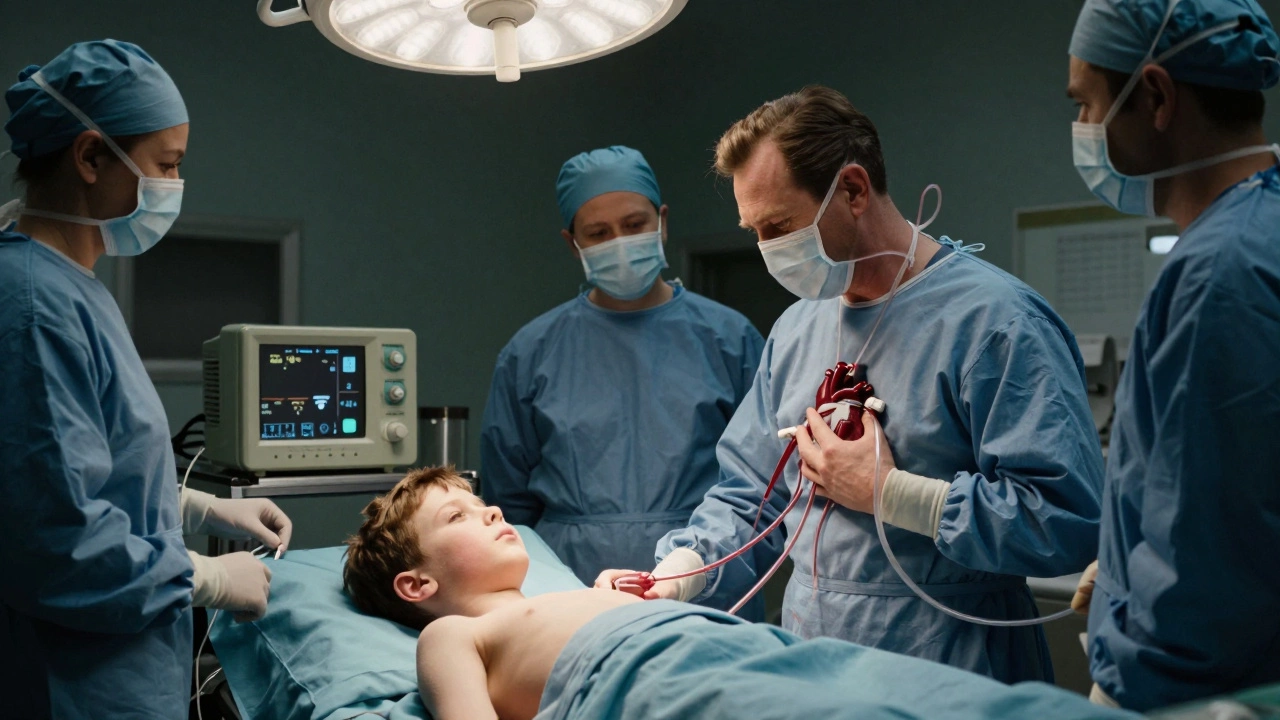
In 1954, Lillehei opened the chest of 5-year-old Greg Glidden. The boy had a ventricular septal defect-a hole between the heart’s lower chambers. Without repair, he wouldn’t live past age 10. Lillehei connected Greg’s arteries and veins to his father’s circulatory system using tubes. For 45 minutes, the father’s heart pumped blood through his son’s body while Lillehei stitched the hole shut.
Greg survived. But he was one of the lucky ones.
The Mortality Rate That Shocked the World
Between 1954 and 1957, Lillehei and his team performed 127 open-heart surgeries using this technique, called cross-circulation. Of those 127 patients, 48 died during or shortly after the operation. That’s a 38% mortality rate. No other major surgical procedure in modern medicine has ever carried such a death toll.
Compare that to today: open-heart surgery has a mortality rate under 2% for similar procedures. Back then, every operation was a gamble. Some kids lived. Others bled out. Some stopped breathing. Others had brain damage from oxygen deprivation. Families signed consent forms knowing their child might not wake up.
And yet, these surgeries weren’t done in secret. They were published in medical journals. They were discussed at conferences. They were even filmed. Why? Because doctors knew something: if they didn’t try, no child with a congenital heart defect would ever live a full life.
Why Was It So Deadly?
The danger wasn’t just the surgery itself. It was everything surrounding it.
- No reliable heart-lung machines: The first machines were crude, prone to clotting, and could only run for short periods. Many patients died from blood clots or air bubbles.
- No antibiotics: Infections spread fast in operating rooms that weren’t sterile by today’s standards. Sepsis killed more patients than surgical errors.
- No monitoring tools: Doctors had no way to measure oxygen levels in real time. They couldn’t tell if the brain was starving until it was too late.
- No pediatric anesthesia protocols: Children were treated like small adults. Dosing was guesswork. Many didn’t wake up from the drugs.
- Parental donors: Cross-circulation meant healthy parents had to be cut open too. Some developed infections. A few suffered long-term complications.
It wasn’t just a dangerous surgery. It was a system built on desperation, trial, and raw courage.
The Turning Point
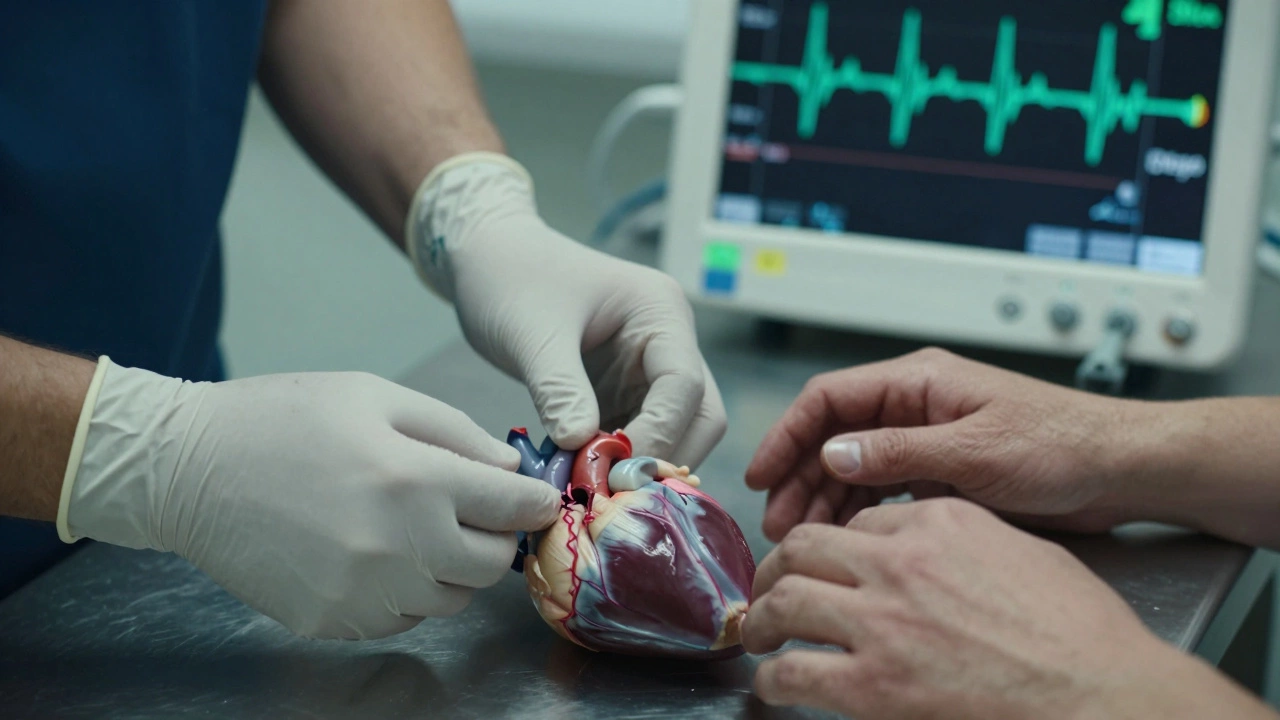
In 1958, John Gibbon’s heart-lung machine finally became reliable enough for routine use. Suddenly, doctors didn’t need to rely on parents’ hearts. They could pause the patient’s own heart, reroute blood through a machine, and work safely.
The death rate dropped fast. By 1960, open-heart surgery mortality fell below 15%. By 1970, it was under 5%. Today, a child born with a hole in the heart can expect to live a normal life after a 2-hour operation.
Lillehei’s work didn’t just save lives-it changed how medicine thinks about risk. He proved that even when the odds are against you, progress doesn’t wait for perfection. It happens when someone says, “We have to try.”
What We Lost-and What We Gained
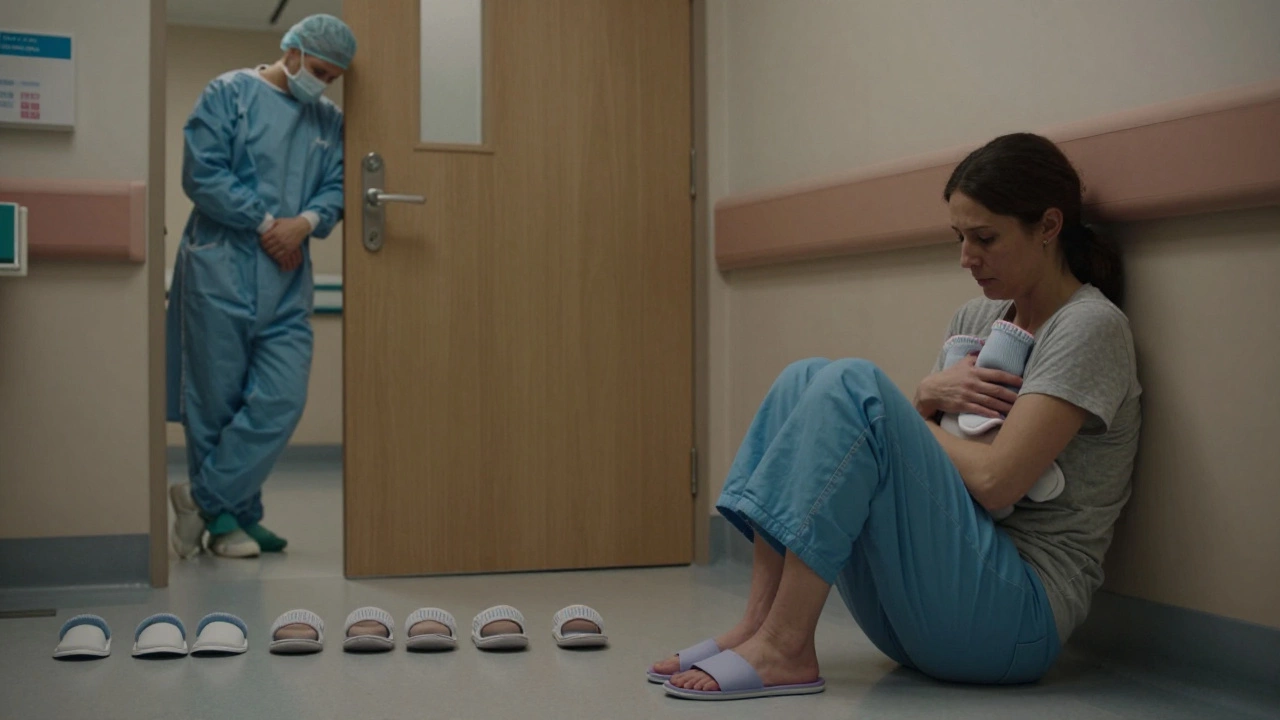
Those early surgeries were brutal. Parents watched their children die in recovery rooms. Surgeons cried after losing a case. Nurses kept mementos: a tiny sock, a lock of hair. These weren’t just medical records. They were memorials.
But we gained more than survival rates. We gained a new understanding of the human body. We learned how to control bleeding, how to manage oxygen levels, how to keep organs alive outside the body. We built the foundation for organ transplants, artificial valves, and bypass surgery.
Every time a baby survives open-heart surgery today, it’s because someone in 1955 took a risk no one else dared to take.
Is There a More Deadly Surgery?
Some might argue that early brain surgeries or amputations without anesthesia were deadlier. But those were often emergency procedures done in wartime or under horrific conditions. They weren’t planned, weren’t studied, and weren’t repeated with the goal of improvement.
What made Lillehei’s surgeries uniquely deadly was their intentionality. They were deliberate, documented, and repeated-over and over-with the goal of making them better. And for a time, the cost was terrifyingly high.
No surgery since has had a 38% death rate for a planned, non-emergency procedure. Not in cancer, not in organ transplants, not even in early AIDS treatments. That number still stands as the highest known surgical mortality rate in modern medical history.
Why This Matters Today
Modern heart surgery looks like science fiction compared to 1955. Robotic arms. 3D-printed valves. AI-guided repairs. But behind every advance is a story of failure.
When a surgeon walks into the OR today, they don’t see the ghosts of those 48 children. But they carry their legacy. Every stitch, every monitor, every safety check exists because someone once held a child’s hand and said, “Let’s try.”
The deadliest surgery wasn’t the one with the most blood or the longest time. It was the one that dared to open the heart when everyone said it couldn’t be done.
What was the first successful open-heart surgery?
The first successful open-heart surgery using a heart-lung machine was performed by John Gibbon in 1953 on an 18-year-old woman with a septal defect. But the first open-heart surgery on a child using cross-circulation-where a parent’s heart pumped blood for the child-was done by Dr. C. Walton Lillehei in 1954 on 5-year-old Greg Glidden.
How many people died during early open-heart surgeries?
Between 1954 and 1957, 48 out of 127 patients died during or shortly after open-heart surgeries using cross-circulation. That’s a 38% mortality rate, the highest ever recorded for a planned surgical procedure in modern medicine.
Why did doctors use parents as blood pumps?
Before reliable heart-lung machines existed, doctors had no way to keep blood circulating while repairing the heart. Cross-circulation used the healthy parent’s heart and lungs to oxygenate and pump blood for the child. It was risky for both, but it was the only option to save the child’s life.
Was cross-circulation dangerous for the parents?
Yes. Parents had to undergo major surgery to connect their circulatory system to their child’s. Some developed infections, blood clots, or long-term complications. A few required follow-up surgeries. But most recovered fully. Their willingness to risk their own lives made modern heart surgery possible.
When did open-heart surgery become safe?
By the late 1950s, heart-lung machines became reliable enough for routine use. Mortality rates dropped from 38% in 1957 to under 15% by 1960, and below 5% by 1970. Today, the risk for most pediatric heart repairs is under 2%.