First Open-Heart Surgery: History, Risks, and What It Means Today
When the first open-heart surgery, a groundbreaking procedure where the chest is opened to repair the heart directly. Also known as cardiac surgery, it marked the moment medicine stopped fearing the heart and started fixing it. That surgery happened in 1952, in Minnesota, on a child with a hole in the heart. Surgeons cooled the body to slow everything down—no pumps, no machines, just skill and nerves. It worked. And everything changed.
Today, open-heart surgery isn’t rare, but it’s still serious. It usually means cutting through the sternum—yes, they split the breastbone—to reach the heart. That’s called a sternotomy, the standard surgical incision through the breastbone to access the heart during open procedures. It’s not the only way anymore. Minimally invasive options exist now, but for complex repairs like valve replacements or bypasses, the old-school cut is still the go-to. Not everyone is a candidate. People with severe lung disease, kidney failure, or advanced age often face too much risk. That’s why knowing who qualifies—and who doesn’t—is just as important as knowing how it’s done.
Back then, patients stayed in the hospital for weeks. Now, many go home in under a week. Recovery still takes months, but survival rates have jumped. The biggest shift? We don’t just fix the heart anymore—we look at the whole person. Blood pressure, diabetes, weight, even mental health all play a role in whether surgery is the right move. And that’s why posts on this page don’t just talk about the surgery itself. They cover what comes before it—like when you can avoid it with lifestyle changes—and what comes after, like rehab and long-term risks. You’ll find real stories from people who chose surgery, those who didn’t, and what doctors in India are saying now about alternatives like stents, medications, or even Ayurvedic support alongside modern care.
This isn’t just history. It’s your future. If you or someone you know is facing heart trouble, understanding how far we’ve come—and where the real dangers still lie—can change everything. Below, you’ll find clear, no-fluff guides on who should avoid heart surgery, what happens to the ribs during the procedure, how recovery really works, and what other options exist if surgery feels too scary. No jargon. No hype. Just what you need to know.
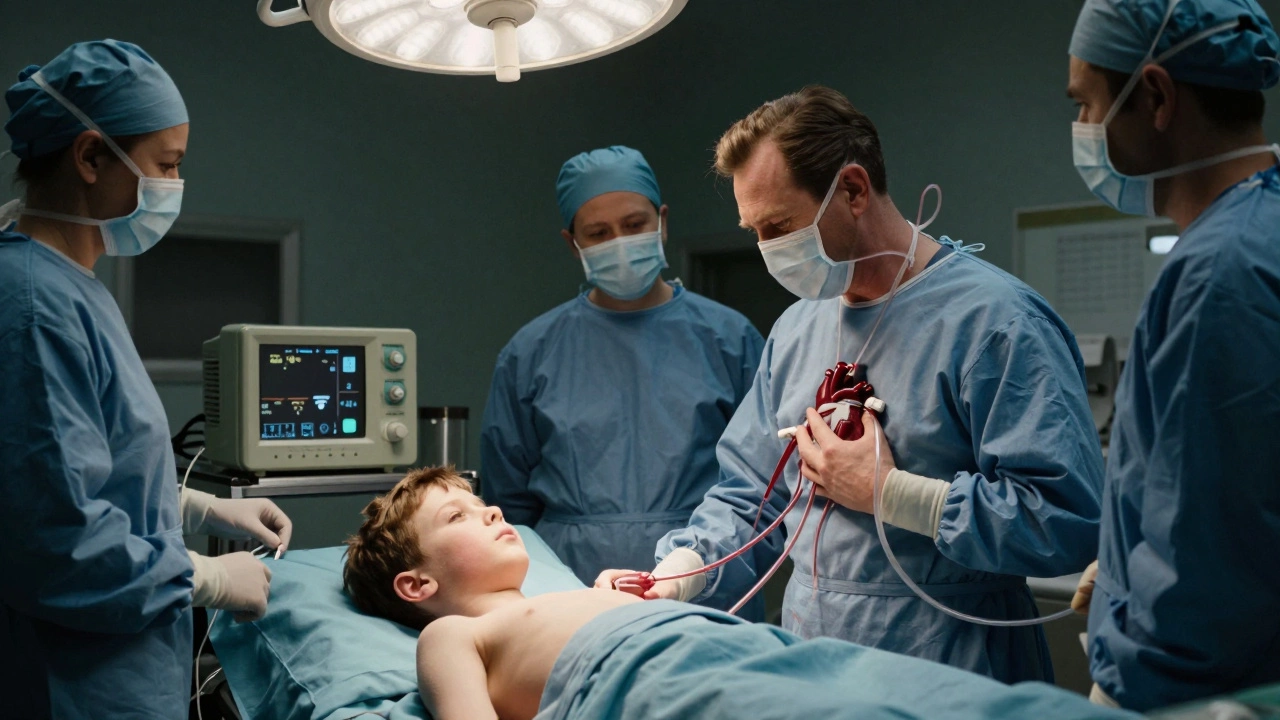
What Was the Deadliest Surgery in Medical History?
The deadliest surgery in history was early open-heart surgery in the 1950s, with a 38% death rate. Dr. Lillehei's cross-circulation technique saved lives at great risk, paving the way for modern cardiac care.