End-of-Life Care: What It Really Means and How It’s Done in India
When someone is facing a terminal illness, end-of-life care, a focused approach to comfort and quality of life in the final stages of a serious illness. Also known as palliative care, it’s not about giving up—it’s about choosing how to live the time you have left, with less pain and more peace. This isn’t just for the elderly. It’s for anyone with advanced cancer, heart failure, dementia, or other conditions where cure isn’t possible anymore. In India, where family is central to care, end-of-life care often happens at home, not in hospitals. But many families don’t know what’s available—or how to ask for it.
Palliative care, a medical specialty focused on relieving symptoms and improving quality of life for people with serious illness. Also known as supportive care, it’s not the same as hospice, though the two often overlap. Palliative care can start at diagnosis and run alongside treatments. Hospice care, on the other hand, is for when curative treatments stop and the focus shifts fully to comfort—usually when life expectancy is six months or less. Many people in India confuse these terms, and that confusion leads to delays. A person with late-stage liver disease might suffer for months because no one asked for pain relief, thinking it meant "giving up." But pain control, breathing support, emotional counseling, and even help with spiritual questions are all part of this care. And yes, it’s available in India—not just in big cities, but through NGOs, government programs, and home-based services.
Advance directives, legal documents that let you say what kind of care you want—or don’t want—if you can’t speak for yourself. Also known as living wills, they’re rare in India, but growing. Most families make decisions in crisis, under stress, with no idea what the patient would have chosen. An advance directive isn’t about death—it’s about respect. It’s saying, "If I can’t talk, here’s what matters to me." In India, where cultural norms often push families to try everything, these documents can be powerful. They don’t mean no treatment. They mean no unnecessary tubes, no CPR if the heart stops, no ICU stay if it won’t help. And they can prevent family fights at the worst possible time.
End-of-life care isn’t about giving up. It’s about choosing what matters most: comfort over prolongation, presence over procedures, dignity over desperation. In India, where traditions run deep and conversations about death are still quiet, this kind of care is slowly becoming visible. You’ll find stories here of families who learned how to talk about dying, of doctors who pushed for pain relief when no one else did, of home-based services that brought peace to a grandmother’s last weeks. These aren’t theoretical ideas. They’re real choices made by real people. And if you’re facing this—whether for yourself or someone you love—you’re not alone. What follows are real experiences, practical advice, and clear answers to the questions no one teaches you to ask.
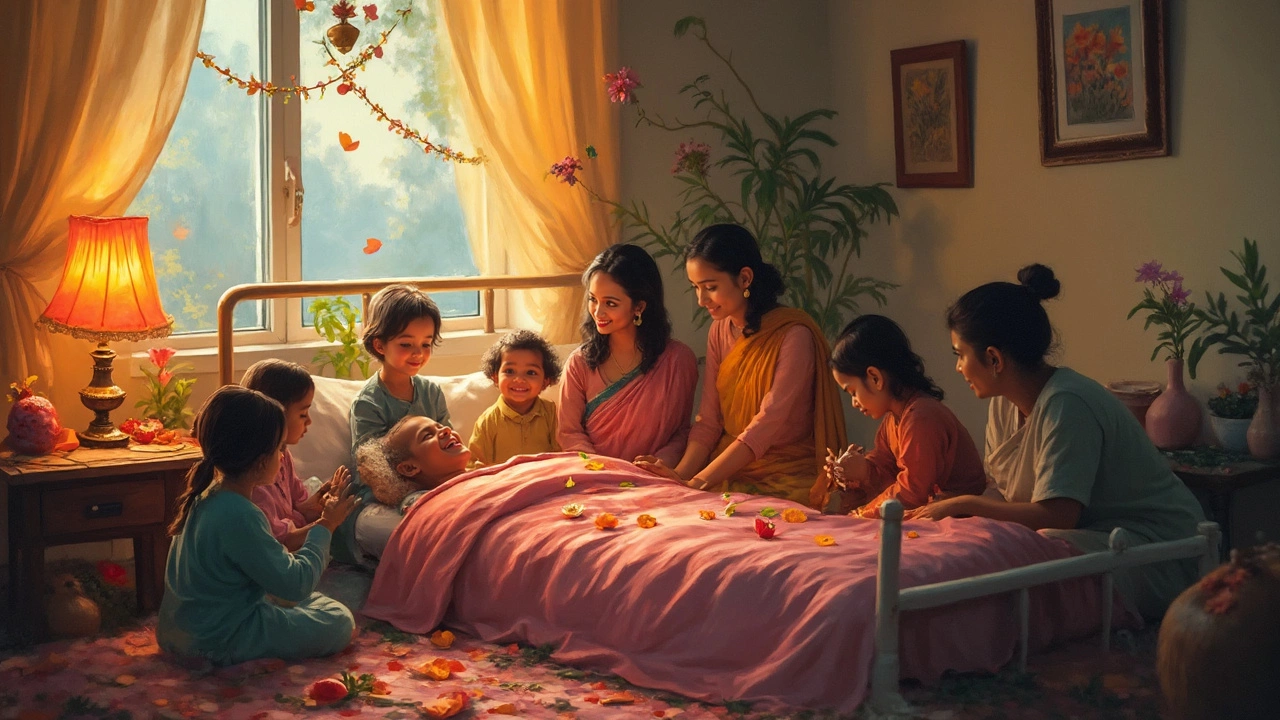
What Happens in the Final Days of Cancer?
Exploring the final two weeks before death in cancer patients can provide valuable insights into symptom management and end-of-life care. This article delves into the typical symptoms and emotional changes that occur, offering practical advice and information for caregivers and families. By understanding these stages, loved ones can better support those in their final days. The focus is on providing comfort, ensuring dignity, and making informed decisions for quality care.