Deadliest Surgery: Risks, Real Cases, and When It’s the Only Option
When we talk about deadliest surgery, a medical procedure with the highest chance of fatal outcomes, often due to complexity, patient condition, or organ involvement. Also known as high-risk surgery, it’s not about how flashy or new it is—it’s about how close it dances to death. This isn’t just theoretical. In India, where access to advanced care varies widely, some patients face these procedures because there’s literally no other choice.
Heart surgery, especially emergency open-heart procedures for ruptured aneurysms or severe valve failure, ranks among the most dangerous. Surgeons don’t break ribs just for show—they do it because the heart is buried deep, and time is running out. Then there’s pancreatic cancer resection, a surgery so complex that even top hospitals see mortality rates above 10%. It’s not the tumor itself that kills most patients—it’s the surgery needed to remove it. And aortic dissection repair, a race against time where a tear in the main artery can bleed out in minutes, is another example where survival often depends on who gets to the OR first.
These aren’t routine operations. They’re last resorts. Many patients who undergo them are already in critical condition—diabetic, elderly, or with multiple organ failures. That’s why doctors in India often try everything else first: medications, stents, physical therapy, even Ayurvedic support for recovery. But when the body gives no other option, the deadliest surgery becomes the only one that might save a life. You’ll find real stories in the posts below—from families deciding whether to proceed, to patients who walked out after being told they wouldn’t survive. Some posts break down what makes a surgery risky. Others show how non-surgical options can delay or even avoid these procedures. And a few reveal the hidden truths about what happens after the operating room lights go off.
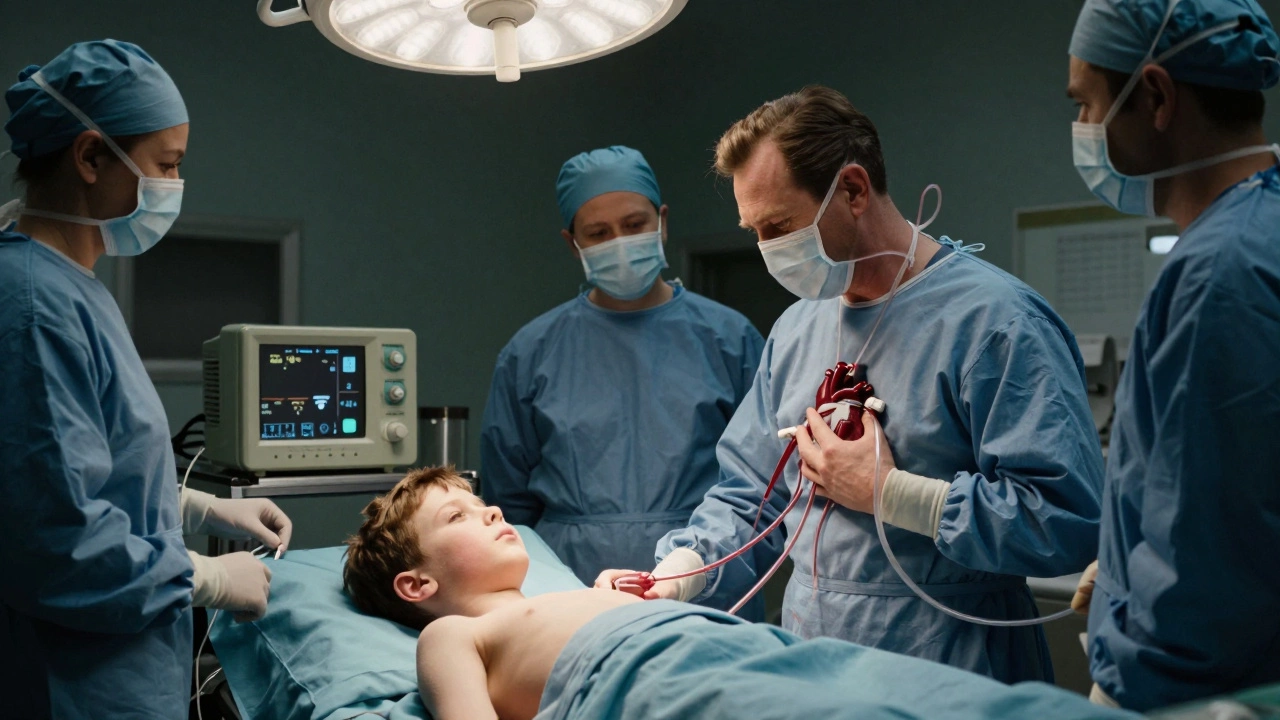
What Was the Deadliest Surgery in Medical History?
The deadliest surgery in history was early open-heart surgery in the 1950s, with a 38% death rate. Dr. Lillehei's cross-circulation technique saved lives at great risk, paving the way for modern cardiac care.