Best Dinner Time Ayurveda: When to Eat for Better Digestion and Sleep
When it comes to Ayurveda dinner timing, a 5,000-year-old system of health rooted in natural rhythms and body intelligence. Also known as Ayurvedic meal schedule, it doesn’t just tell you what to eat—it tells you when to eat it for maximum benefit. Unlike modern advice that says "eat when you’re hungry," Ayurveda says your body has a built-in clock, and ignoring it leads to sluggish digestion, poor sleep, and weight gain—even if you’re eating "healthy" food.
The key player here is agni, your digestive fire, which rises and falls with the sun. digestive strength peaks around noon, when the sun is strongest, and drops sharply after sunset. Eating a heavy meal late, say after 7 or 8 PM, forces your body to work overtime to digest food while it’s trying to rest. That’s why you wake up feeling bloated, tired, or with a coated tongue—even if you didn’t overeat. Ayurveda recommends finishing dinner at least three hours before bed. For most people, that means eating by 7 PM. If you’re a Kapha type, even earlier—by 6:30 PM—is better. Vata and Pitta types can stretch to 7:30 PM, but no later.
It’s not just about the clock. Your doshas, the three energies—Vata, Pitta, and Kapha—that govern your body and mind. body types determine how your digestion behaves. Kapha types slow down in the evening and need light, warm meals. Pitta types can handle slightly heavier food but still need to avoid spicy or fried items after dark. Vata types often feel hungry late but should resist the urge—they’re prone to anxiety and insomnia if they eat too close to bedtime. A simple rule: dinner should be the lightest meal of the day. Think soups, steamed veggies, lentils, and warm grains—not pizza, curry with heavy cream, or ice cream.
And here’s the quiet truth: your dinner time affects your sleep more than your bedtime routine. If your agni is still burning when you lie down, your body can’t shift into repair mode. That’s why people who eat late often toss and turn, dream vividly, or wake up at 2 AM with a racing mind. Ayurveda doesn’t recommend melatonin or sleep aids—it recommends fixing the root: when you last ate.
What you’ll find in the posts below aren’t just theories. These are real, practical insights from people who’ve tried shifting their dinner time and noticed real changes—better digestion, fewer night awakenings, less morning bloating. Some even lost weight without changing what they ate, just when they ate it. No supplements. No detoxes. Just aligning your meal with your body’s rhythm.
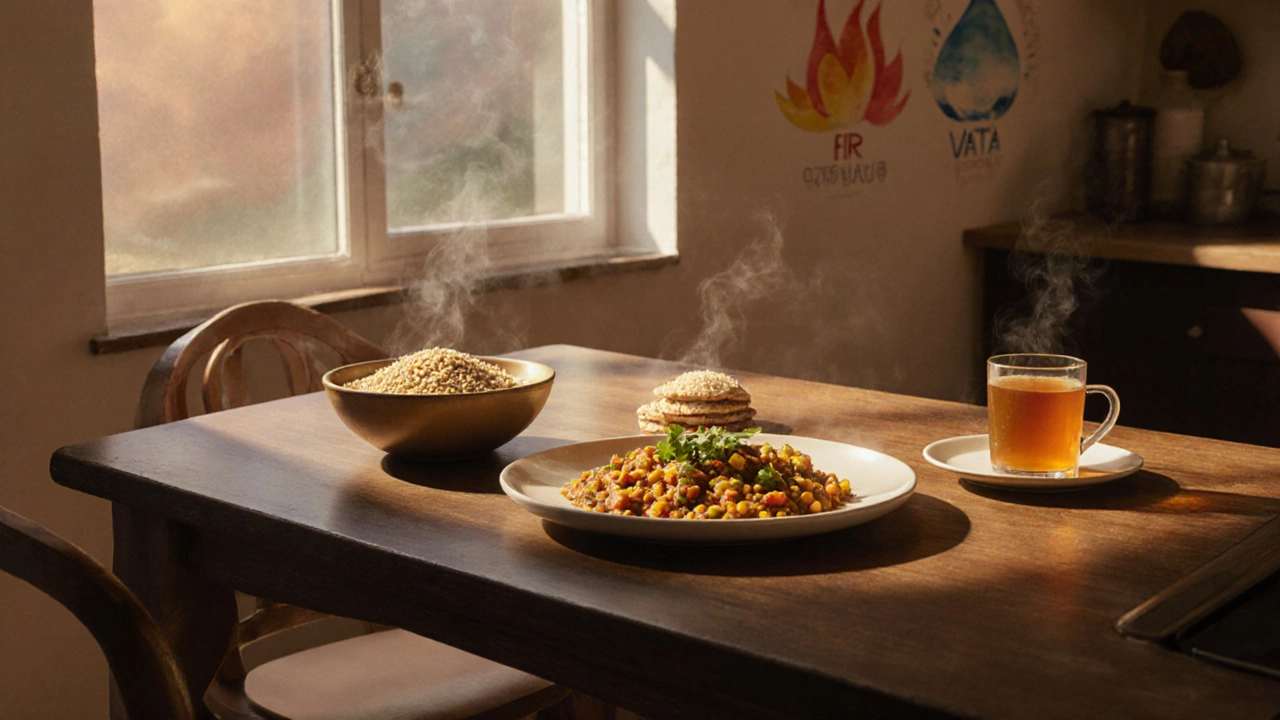
Best Time to Eat Dinner According to Ayurveda
Discover the optimal dinner window based on Ayurvedic dosha theory, practical steps, common pitfalls, and seasonal tweaks for better digestion and sleep.