Knee Recovery & Stiffness Tracker
(Chair)
(Stairs)
(Full)
What to Expect Now
Loading...
Actionable Tips:
Understanding Post-Surgery Knee Stiffness
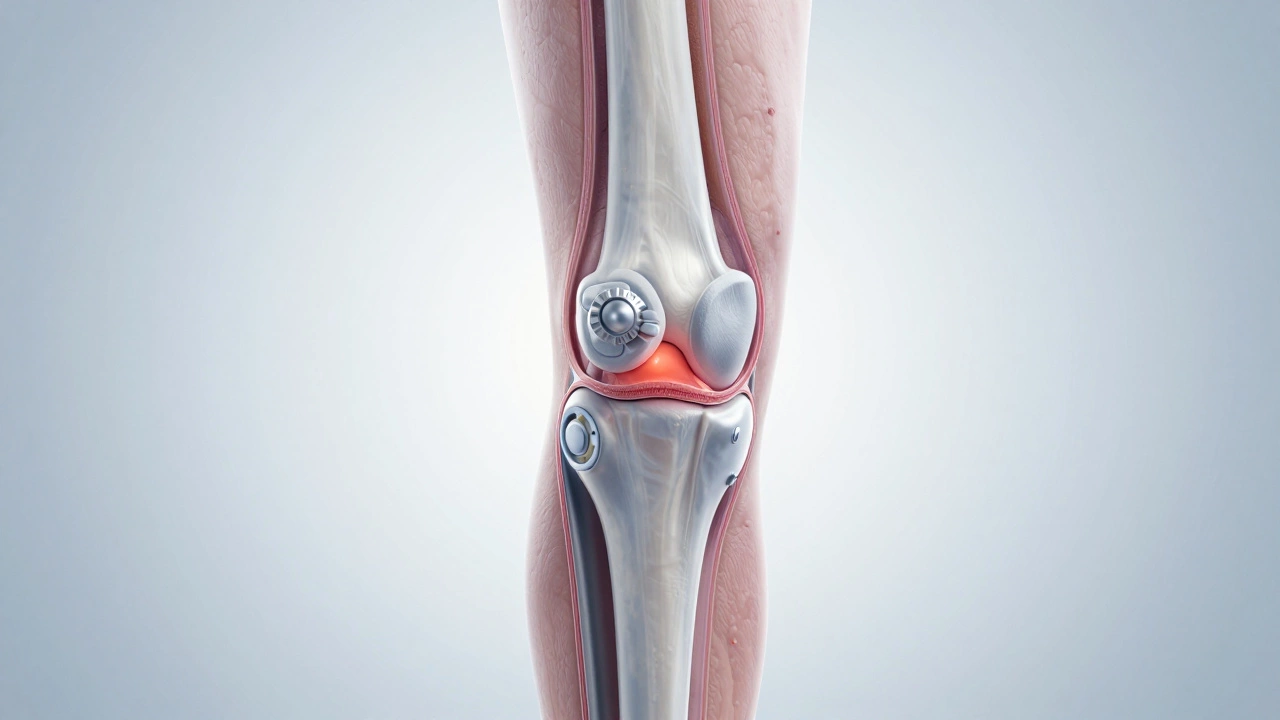
You’ve finally had the Total Knee Arthroplasty (also known as TKA or knee replacement), and you’re ready to walk without pain. But instead of smooth movement, your new joint feels tight, locked, or simply unwilling to bend. You might be asking yourself: is this normal? Will it ever get better?
The short answer is yes. For most patients, significant stiffness improves dramatically within the first three to six months. However, "stiffness" isn't a single problem-it's a symptom with different causes. Understanding why your knee feels stiff helps you tackle it effectively rather than just waiting for it to vanish.
The Natural Healing Process: Why Your Knee Feels Tight
To understand stiffness, you need to look at what happens inside your body during the first few weeks after surgery. When surgeons replace the worn-out cartilage and bone with metal and plastic components, they also cut through muscles, tendons, and ligaments. This trauma triggers an inflammatory response.
Your body reacts by producing scar tissue. While some scarring is necessary for healing, excessive fibrosis (thickening of connective tissue) can restrict movement. Additionally, swelling-known medically as effusion-fills the joint space, physically preventing full extension or flexion. This combination of inflammation, muscle guarding (where your muscles tighten up to protect the area), and early scar formation creates that sensation of tightness.
- Acute Phase (Weeks 1-2): High inflammation and pain cause reflexive muscle tightening.
- Subacute Phase (Weeks 3-6): Swelling decreases, but scar tissue begins forming.
- Remodeling Phase (Months 2-6): Scar tissue matures and softens; range of motion improves significantly.
Realistic Expectations: The Recovery Timeline
Patience is critical here. Many people expect their knee to feel "normal" immediately once the incision heals. That’s not how biology works. Here is a realistic breakdown of when stiffness typically resolves:
| Timeframe | Expected Range of Motion (ROM) | Stiffness Level |
|---|---|---|
| 0-2 Weeks | 0° to 90° | High (due to swelling/pain) |
| 2-6 Weeks | 0° to 110° | Moderate (scar tissue formation) |
| 6-12 Weeks | 0° to 120°+ | Decreasing (muscle strengthening) |
| 3-6 Months | Near Full ROM | Mild (mostly morning stiffness) |
| 6-12 Months | Full Functional ROM | Minimal to None |
Note that "full" range of motion doesn’t mean bending your knee like a gymnast. Most daily activities require only 110-120 degrees of flexion. If you can sit comfortably in a standard chair and climb stairs, your functional stiffness has largely resolved.

Active Strategies to Reduce Stiffness
Waiting passively often leads to permanent limitations. You must actively fight stiffness through specific mechanisms. Think of your knee like a hinge on a door-if you don’t move it regularly, the hinges rust shut.
Physical Therapy is Non-Negotiable
Your physical therapist will prescribe exercises targeting two key movements: flexion (bending) and extension (straightening). Extension is often more important for walking mechanics than flexion. If you can’t straighten your leg fully, you’ll limp, which strains your hip and back.
- Heel Slides: Lie on your back and slide your heel toward your buttocks. Hold for 5 seconds. Repeat 10 times hourly.
- Quad Sets: Tighten the muscle on top of your thigh while keeping your leg straight. This prevents quadriceps inhibition.
- Prone Knee Hangs: Lie on your stomach with your lower leg hanging off the bed edge. Gravity gently stretches the knee into extension.
Cold Therapy and Elevation
Swelling is the enemy of mobility. Apply ice packs for 20 minutes every 2-3 hours, especially after exercise. Elevate your leg above heart level to drain fluid. Less fluid means less pressure inside the joint capsule, allowing greater movement.
Heat Before Exercise
Before doing stretching exercises, use a warm compress or take a warm shower. Heat increases blood flow and makes collagen fibers more pliable, reducing the risk of micro-tears during stretching.
When Stiffness Becomes a Problem: Arthrofibrosis
In about 5-10% of cases, stiffness doesn’t improve despite diligent therapy. This condition is called Arthrofibrosis, which is excessive scar tissue buildup inside the joint. It’s not just "tightness"-it’s a mechanical blockage.
If you’re past three months post-surgery and still can’t bend your knee beyond 90 degrees or straighten it completely, consult your orthopedic surgeon. Early intervention is crucial. Treatments may include:
- Manipulation Under Anesthesia (MUA): The surgeon bends and straightens your knee while you’re asleep to break up scar adhesions.
- Arthroscopic Lysis of Adhesions: A minimally invasive surgery to cut away restrictive scar tissue.
- Intra-articular Steroid Injections: To reduce severe inflammation blocking movement.
Delaying treatment beyond six months makes surgical correction much harder and less effective.
Lifestyle Factors That Impact Stiffness
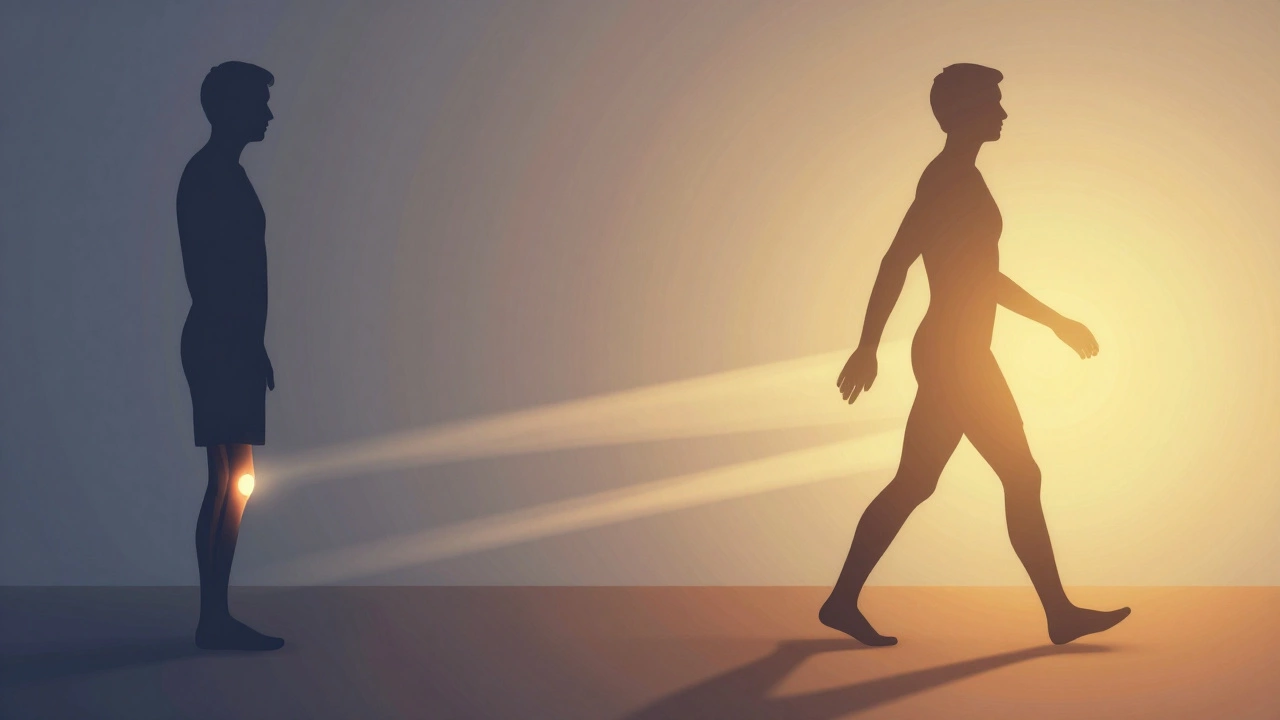
Your behavior outside the clinic matters just as much as your exercises. Several lifestyle factors can prolong stiffness:
Sedentary Behavior: Sitting for long periods allows the knee to cool down and stiffen. Set a timer to stand up and walk for two minutes every hour. Movement lubricates the joint.
Poor Nutrition: Protein deficiency slows muscle repair, while excess sugar increases systemic inflammation. Aim for lean proteins (chicken, fish, lentils) and anti-inflammatory foods (berries, leafy greens, fatty fish rich in Omega-3s).
Smoking: Nicotine constricts blood vessels, reducing oxygen delivery to healing tissues. Smokers consistently report slower recovery and higher rates of complications, including persistent stiffness.
Weight Management: Every extra pound puts four pounds of pressure on your knees. Losing weight reduces the load on your new implant, making movement easier and less painful.
Morning Stiffness: Is It Normal?
Many patients experience stiffness primarily in the morning after sleeping. This is common because joints are inactive for hours. Synovial fluid (the joint’s natural lubricant) thickens when stationary. Gentle movement upon waking-like swinging your legs over the side of the bed before standing-helps wake up the joint. This type of stiffness usually diminishes within 15-30 minutes of activity and should disappear entirely by six months.
Preventing Long-Term Limitations
The best way to ensure stiffness goes away is to prevent it from becoming chronic. Consistency beats intensity. Doing your prescribed exercises gently but frequently is far more effective than pushing hard once a week and hurting yourself.
Avoid high-impact activities like running or jumping for at least six months. These shock the healing tissues and can trigger renewed inflammation. Stick to low-impact cardio: swimming, stationary cycling, or elliptical training. These activities promote circulation without stressing the joint.
How long does it take for knee stiffness to go away after replacement?
Most patients see significant improvement in stiffness within 3 to 6 months. However, mild stiffness, especially in the morning, can persist for up to a year. Complete resolution depends on consistent physical therapy and individual healing rates.
Is it normal to have a stiff knee 2 months after surgery?
Yes, moderate stiffness is normal at two months. You should ideally achieve 90-110 degrees of flexion by this stage. If you cannot bend your knee past 90 degrees or straighten it fully, consult your physical therapist or surgeon to rule out arthrofibrosis.
Can I lose my range of motion after knee replacement?
It is possible to lose range of motion if you stop exercising or become sedentary. Muscle atrophy and increased scar tissue can restrict movement. Consistent daily movement and strength training are essential to maintain gains made during physical therapy.
What causes persistent stiffness after TKA?
Persistent stiffness is often caused by arthrofibrosis (excessive scar tissue), unresolved swelling, improper component alignment during surgery, or inadequate post-operative rehabilitation. Infection is a rare but serious cause that requires immediate medical attention.
Does ice help with knee stiffness after replacement?
Ice helps reduce swelling and pain, which indirectly improves stiffness by lowering intra-joint pressure. However, heat is often more effective for directly loosening tight muscles and connective tissue before exercise. Use ice after activity and heat before stretching.
When should I worry about knee stiffness?
Worry if you experience sudden worsening of stiffness, redness, warmth, fever, or drainage from the incision site, as these could indicate infection. Also seek help if your range of motion plateaus or regresses after three months despite consistent therapy.