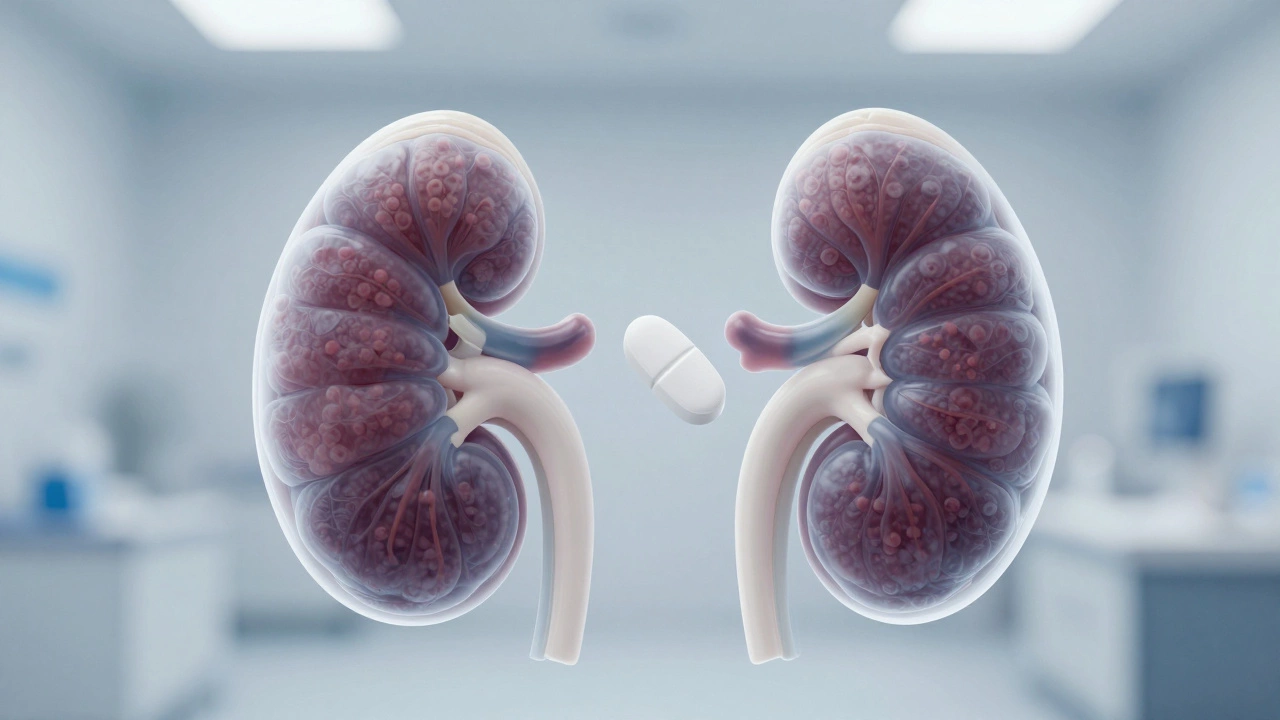
You might be worried that your daily pill is quietly damaging something essential. When doctors prescribe Metformin isa widely used oral medication for managing blood sugar levels in people with Type 2 Diabetes. It has been around since the 1950s and remains the gold standard therapy worldwide., the first question often popping into your head isn't about how well it lowers glucose-it's whether it hurts your body somewhere along the way. Specifically, you want to know which organ takes the heat.
The short answer is nuanced. While many patients fear damage to their kidneys, the most commonly reported discomfort actually comes from the digestive system. However, ignoring the potential strain on renal function when kidney health is already compromised can be risky. Let's break down exactly what happens inside your body when you take this medication, separating the medical facts from the widespread rumors.
The Kidney Concern: Myth vs. Reality
If you ask anyone about Metformin risks, the knee-jerk reaction is almost always "the kidneys." Why does this belief stick around so firmly? The confusion stems from how the drug leaves your body rather than how it damages tissue. Metformin is excreted unchanged by the kidneys through glomerular filtration.
This means the kidneys handle the elimination process, but they do not metabolize the drug. There is no chemical breakdown that produces toxic byproducts in the renal tissue itself. In healthy individuals, taking Metformin does not cause kidney disease. Studies have consistently shown that Metformin does not cause renal toxicity.
However, caution becomes necessary when kidney function declines naturally or due to other causes. If your Glomerular Filtration Rate (GFR) drops significantly-usually below 30 mL/min-the clearance of Metformin slows down. When the drug stays in the system longer than intended, concentrations build up. High levels of Metformin increase the risk of a rare condition called lactic acidosis. To prevent this, doctors monitor creatinine levels before starting treatment and periodically thereafter.
- GFR above 60 mL/min: Generally considered safe for full dosages.
- GFR between 30-60 mL/min: Dosage adjustment required; initiation usually discouraged if lower end.
- GFR below 30 mL/min: Contraindicated (should not be used).
It is crucial to understand that stopping the medication prevents accumulation, but the drug itself isn't poisoning the organ in a healthy system. Recent guidelines emphasize using eGFR estimates to guide dosage rather than abandoning the drug entirely for early-stage chronic kidney disease.
Gastrointestinal Distress: The Most Common Issue
While the kidneys get the blame, your stomach and intestines bear the actual burden in most cases. Clinical trials indicate that gastrointestinal symptoms are the primary reason people discontinue Metformin therapy. Up to 20% of patients report these side effects when they first start the regimen.
The mechanism here involves the drug interacting with the lining of the gut. Metformin affects the absorption of nutrients and alters motility within the small intestine. When the concentration in the gut is too high, irritation occurs. You might experience nausea, diarrhea, bloating, gas, or a metallic taste in your mouth.
| Symptom | Prevalence | Duration |
|---|---|---|
| Diarrhea | Approximately 20% | First few weeks |
| Nausea/Vomiting | 15-20% | Often resolves after titration |
| Bloating/Gas | Frequent | Can persist longer |
Good news? These symptoms are temporary for the vast majority of users. They usually subside as the body adjusts to the presence of the medication. Doctors typically recommend starting with a low dose and increasing gradually. Taking the pill immediately after food also dampens the impact on the gastric lining.
Does It Strain the Liver?
Another frequent worry is whether Metformin harms the liver, especially for those who have Non-Alcoholic Fatty Liver Disease (NAFLD). Ironically, the relationship here is largely protective rather than destructive. Unlike sulfonylureas, which require hepatic metabolism, Metformin bypasses the liver's metabolic processing.
In fact, evidence suggests Metformin may improve insulin sensitivity within liver cells. By reducing gluconeogenesis-the production of glucose by the liver-it helps decrease fat accumulation in hepatocytes (liver cells). For patients with fatty liver associated with metabolic syndrome, Metformin can actually aid in normalizing liver enzyme levels like ALT and AST.
Despite this benefit, severe pre-existing liver impairment requires caution. If liver dysfunction is advanced (such as in cirrhosis), the body's ability to maintain metabolic balance changes, potentially raising lactic acidosis risks again. Therefore, liver function tests are still part of routine screening, but rarely solely because of drug toxicity fears.
Vitamin B12 Deficiency: A Hidden Long-Term Effect
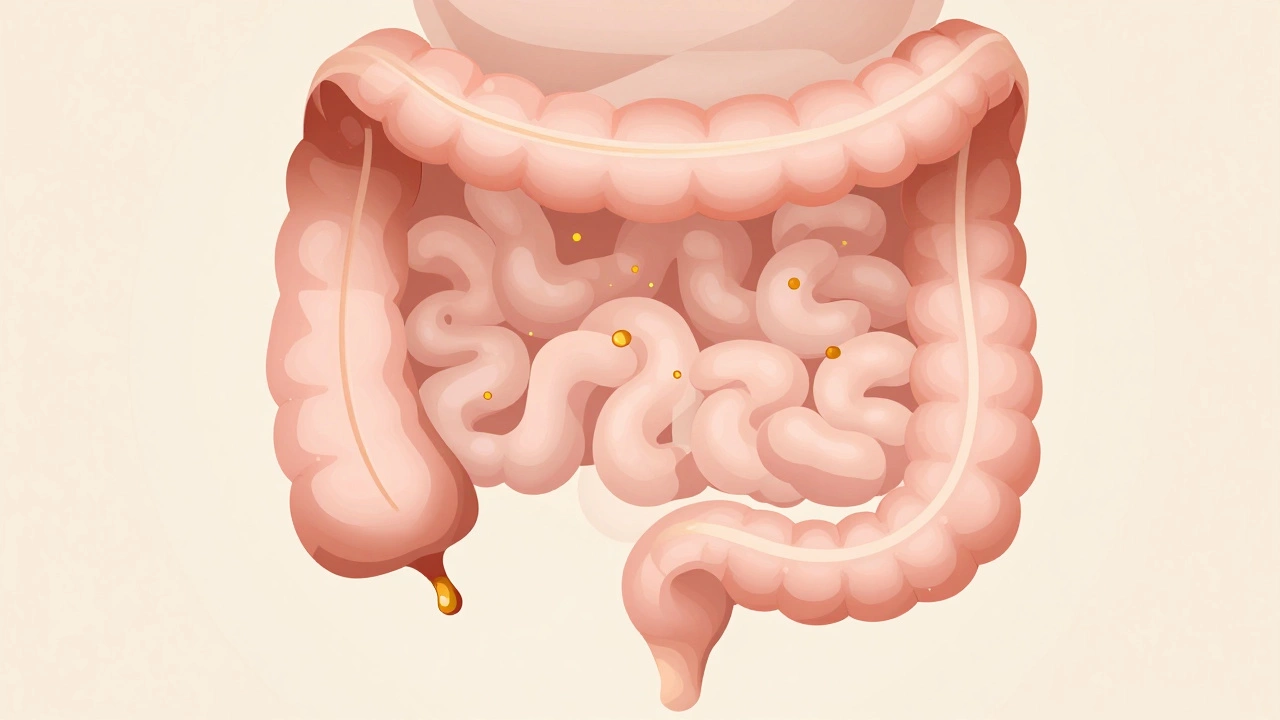
We talk a lot about immediate organs like the gut and kidneys, but there is a nutrient-related issue that impacts nerve health over years. Long-term use of Metformin interferes with the absorption of Vitamin B12 in the terminal ileum. This is the last section of your small intestine where B12 uptake normally occurs.
Mechanistically, Metformin may alter calcium-dependent pathways in the gut required for B12 absorption. Over time-often several years-this leads to subclinical or overt deficiency. Symptoms of B12 depletion include tingling sensations (paresthesia), numbness in hands and feet, cognitive changes, and fatigue.
The risk is not negligible. Some studies estimate up to 30% of long-term Metformin users develop low serum B12 levels. Because this doesn't hurt an organ directly in the acute sense but damages nerves eventually, regular monitoring of hemoglobin and B12 levels is critical. Supplementation can easily reverse these effects without discontinuing the diabetes medication.
The Rare Risk: Lactic Acidosis
When we discuss "hard on" in terms of life-threatening danger, Lactic Acidosis is the elephant in the room. This condition occurs when lactate builds up faster than it can be cleared from the blood. Under normal conditions, muscles produce lactate during exertion, and the liver clears it. Metformin slightly increases lactate production by interfering with mitochondrial respiration.
Normally, your body compensates perfectly. Problems arise only when multiple factors align: poor kidney function, dehydration, severe infection, or excessive alcohol consumption combined with Metformin. This scenario creates a perfect storm where lactate skyrockets.
The incidence is extremely low-estimated at fewer than 3 cases per 100,000 patient-years. However, because mortality rates in symptomatic lactic acidosis are high, prevention is the priority. Patients must stop taking Metformin temporarily during episodes of severe illness, surgery, or contrast dye administration (used in CT scans) until stability returns.

Practical Management Tips for Daily Safety
You don't have to live in fear of these side effects if you manage them proactively. Think of Metformin maintenance as a partnership between you and your healthcare provider. Here is a checklist to keep your organs happy while controlling your blood sugar effectively.
- Titrate Slowly: Ask for the lowest possible starting dose. Increase only when tolerated.
- Hydration Matters: Dehydration concentrates drugs in the blood, stressing kidneys. Drink enough water daily.
- Annual Screening: Insist on an annual review including GFR, ALT/AST liver enzymes, and Serum B12 levels.
- Hold During Illness: If you have vomiting, severe diarrhea, or fever, hold the dose until you recover to avoid acidosis triggers.
- Timing: Swallow tablets with meals. Extended-release versions tend to cause fewer gut issues than immediate-release.
Most importantly, communicate honestly with your doctor about symptoms. Don't dismiss persistent bloating or tingling sensations as just "getting old." Early detection of absorption issues or mild renal decline allows for simple adjustments to the prescription rather than abrupt stops.
Ultimately, Metformin remains a cornerstone of diabetes management because its benefits vastly outweigh the risks for most people. Understanding exactly how it interacts with your body empowers you to stay safe. By monitoring kidney function and respecting the warning signs regarding B12 and gut health, you can enjoy the longevity benefits of controlled glucose without unintended consequences.
Frequently Asked Questions
Can Metformin permanently damage my kidneys?
No, Metformin does not cause permanent kidney damage in healthy individuals. It is excreted by the kidneys, but it is not nephrotoxic. However, if kidney function is already impaired (low GFR), the drug can accumulate and lead to dangerous complications like lactic acidosis. Regular monitoring of kidney function is essential to keep usage safe.
What are the most common side effects of Metformin?
The most frequent side effects are gastrointestinal. These include nausea, diarrhea, abdominal pain, bloating, and gas. These symptoms are most intense when starting the medication but usually resolve within a few weeks as your body adapts.
Is Metformin safe for people with fatty liver?
Yes, generally speaking. Metformin is often considered safer than other diabetes drugs for liver health. In some cases, it helps reduce liver fat and improves enzyme levels in patients with Non-Alcoholic Fatty Liver Disease (NAFLD), though severe liver dysfunction requires a doctor's approval.
Why do I need to check Vitamin B12 levels?
Long-term Metformin use reduces the absorption of Vitamin B12 in the small intestine. Low B12 levels can lead to anemia and nerve damage. It is recommended to check B12 levels annually if you have been on Metformin for more than a year.
When should I stop taking Metformin temporarily?
You should pause Metformin during acute situations that stress the body, such as severe infections, dehydration, hospitalization, or before procedures involving iodinated contrast dye. Resume only when your doctor confirms your kidney function and hydration status are stable.