
IVF Success Rate Estimator
Estimated Cumulative Success Probability
Note: These figures are based on general CDC averages. Individual results vary significantly based on egg quality, sperm quality, uterine health, and clinic expertise. This tool is for informational purposes only and does not constitute medical advice.
Let’s get straight to the uncomfortable truth: no, In Vitro Fertilization (IVF) does not have a 100% success rate. If any clinic or doctor promises you guaranteed results, run the other way. That is not just misleading; it is medically impossible. Biology is messy, unpredictable, and deeply individual. While IVF is one of the most effective treatments for infertility available today, it remains a process of probabilities, not certainties.
For millions of couples struggling to conceive, hearing that number-100%-feels like a lifeline. But chasing a myth can lead to financial ruin, emotional burnout, and dangerous delays in seeking realistic care. Understanding the actual odds, the factors that sway them, and what you can control is the only way to navigate this journey with your eyes wide open. Let’s break down why IVF fails, who has the best chances, and how to stack the deck in your favor without buying into false hope.
The Real Numbers Behind IVF Success
Success in IVF is usually defined as a live birth, not just a positive pregnancy test. This distinction matters because early miscarriages are common, even after successful embryo transfer. According to data from the Centers for Disease Control and Prevention (CDC) and similar global registries, the average live birth rate per IVF cycle varies wildly based on the woman’s age at the time of egg retrieval.
| Age Group | Live Birth Rate (%) | Key Biological Factor |
|---|---|---|
| Under 35 | ~45-50% | High egg quality and quantity |
| 35-37 | ~35-40% | Beginning decline in chromosomal normality |
| 38-40 | ~25-30% | Significant drop in viable embryos |
| 41-42 | ~10-15% | High aneuploidy rates |
| Over 42 | <5% | Severe decline in egg quality |
These numbers are averages, which means they hide individual variations. A 34-year-old might fail three cycles, while a 40-year-old might succeed on the first try. However, the trend is undeniable: age is the single biggest predictor of IVF success. Why? Because eggs do not improve with time. They accumulate DNA damage and chromosomal errors as women age. When an embryo carries these errors, it often fails to implant or results in a very early miscarriage, sometimes before the patient even knows she is pregnant.
Why Does IVF Fail? The Hidden Culprits
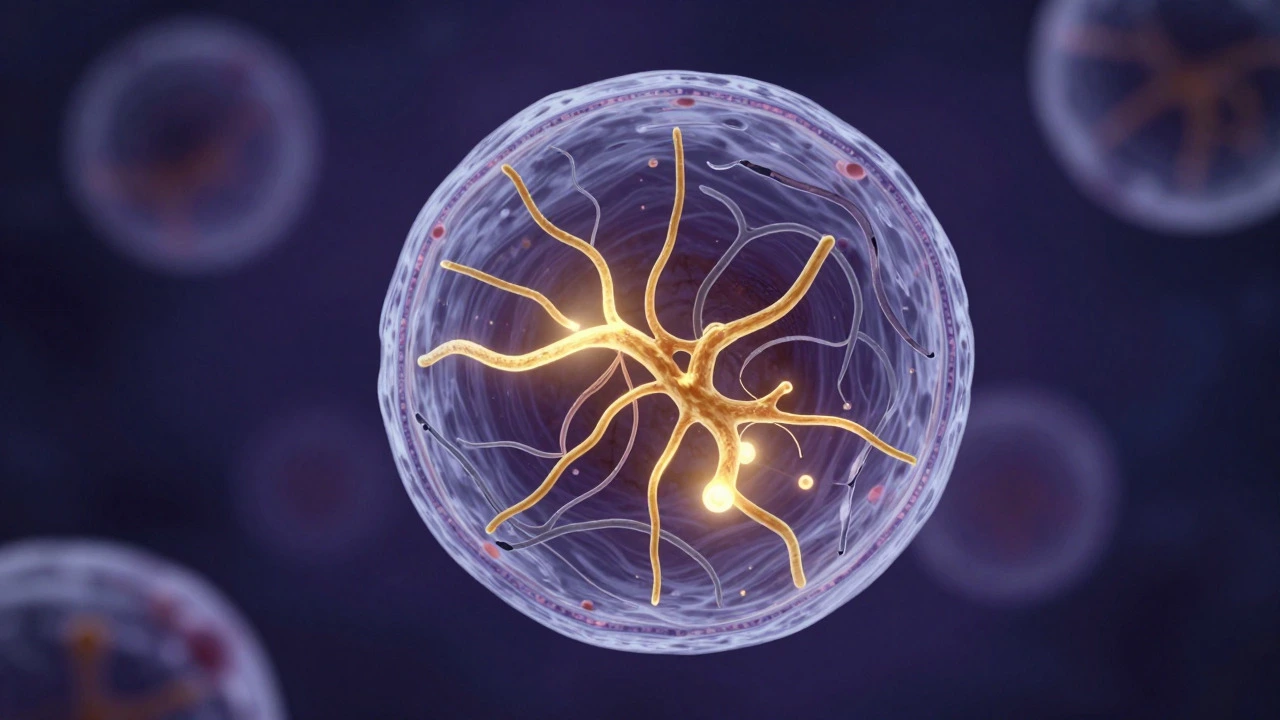
When an IVF cycle doesn’t result in a baby, it’s easy to blame yourself. Did I eat the wrong food? Was I too stressed? Did I walk up too many stairs? The short answer is no. Most failures happen long before the embryo reaches the uterus, deep inside the cellular machinery of the egg and sperm.
- Chromosomal Abnormalities (Aneuploidy): This is the leading cause of IVF failure and miscarriage. An embryo needs exactly 23 chromosomes from mom and 23 from dad. If there is one extra or one missing, the body usually rejects the embryo naturally. In women over 35, up to 60-70% of fertilized eggs may be chromosomally abnormal.
- Poor Egg Quality: Even if an egg looks perfect under a microscope, its internal genetic health is invisible until it divides. Factors like endometriosis, smoking, obesity, and advanced maternal age degrade egg quality.
- Uterine Receptivity: Think of the uterus as soil. If the lining is too thin, too thick, or inflamed due to polyps, fibroids, or chronic endometritis, the embryo cannot implant. This is known as implantation failure.
- Sperm DNA Fragmentation: We often focus on the woman, but sperm health matters immensely. High levels of fragmented DNA in sperm can prevent fertilization or cause early embryo arrest, even if the sperm count and motility look normal.
- Laboratory Errors: Embryos are fragile. Temperature fluctuations, poor culture media, or handling errors in the lab can compromise their development. Choosing a clinic with a high-volume, accredited lab is crucial.
Factors You Can Actually Control
While you cannot change your age or your genetics, there are several levers you can pull to optimize your chances. These aren't magic bullets, but they create the best possible environment for success.
Choose the Right Clinic: Not all IVF clinics are created equal. Look for centers that publish their own success rates transparently, preferably audited by independent bodies. Check their lab accreditation. A clinic with a strong embryology team often outperforms one with just a famous doctor. Ask about their blastocyst culture rate-the percentage of embryos that survive to day 5. If it’s below 40%, that’s a red flag.
Optimize Lifestyle Before Starting: Your body takes about three months to produce new eggs and sperm. Start preparing now. Maintain a healthy BMI (19-25). Excess weight can alter hormone levels and reduce egg quality. Quit smoking entirely-smoking accelerates ovarian aging. Limit alcohol and caffeine. Some studies suggest that moderate exercise helps, but intense, high-impact workouts during the stimulation phase might increase the risk of Ovarian Hyperstimulation Syndrome (OHSS).
Consider Genetic Testing: Preimplantation Genetic Testing for Aneuploidy (PGT-A) allows embryologists to biopsy a few cells from the embryo and check for chromosomal errors. For women over 35 or those with recurrent miscarriages, PGT-A can significantly increase the chance of success per transfer by ensuring only euploid (chromosomally normal) embryos are transferred. However, it adds cost and complexity, and it doesn’t guarantee a live birth-it just removes one major cause of failure.
The Emotional and Financial Reality
IVF is expensive. In the United States, a single cycle can cost $12,000 to $15,000, plus medication. In India, costs are lower, ranging from ₹1.5 lakh to ₹3 lakh per cycle, but multiple cycles are often needed. The financial strain can be overwhelming. Many couples go into debt trying to chase that elusive 100% guarantee that doesn’t exist.
Emotionally, IVF is a rollercoaster. The injections, the monitoring appointments, the waiting games, and the fear of negative tests take a toll. It is vital to set boundaries. Decide beforehand how many cycles you are willing to attempt financially and emotionally. Seek support groups or counseling. You are not alone in this struggle, but isolating yourself will make it harder.

Alternatives When IVF Isn’t Working
If you have undergone multiple failed IVF cycles, it is time to pause and reassess. Continuing the same protocol is unlikely to yield different results. Consider these options:
- Egg Donation: Using eggs from a younger donor dramatically increases success rates, often to over 50-60% per cycle, regardless of the recipient’s age. This bypasses the issue of poor egg quality.
- Embryo Donation: Adopting embryos from other couples who have completed their families.
- Gestational Surrogacy: If uterine factors are the primary cause of failure, carrying the pregnancy via a surrogate may be an option.
- Adoption: Building a family through adoption is a valid and loving path that many families choose after exhausting medical options.
There is no shame in pivoting. Infertility treatment is not a moral obligation to suffer indefinitely. It is a tool to help you build a family, and sometimes, the tool breaks. Knowing when to switch tools is a sign of strength, not defeat.
What To Ask Your Doctor
Empower yourself with knowledge. Before starting your next cycle, ask your reproductive endocrinologist these specific questions:
- "What is my personalized success rate based on my age, AMH levels, and previous history?"
- "How many embryos typically reach the blastocyst stage in your lab for patients in my age group?"
- "Do you recommend PGT-A for me, and what are the pros and cons in my specific case?"
- "Have we ruled out all uterine factors like endometritis or adhesions?"
- "What is your policy on frozen embryo transfers versus fresh transfers?"
A good doctor will give you honest, nuanced answers, not sales pitches. They should acknowledge the uncertainties and work with you as a partner in decision-making.
Is IVF more successful with fresh or frozen embryos?
Recent studies show that Frozen Embryo Transfer (FET) often has higher success rates than Fresh Embryo Transfer. This is because freezing allows the uterine lining to recover from the hormonal stimulation drugs, creating a more natural and receptive environment for implantation. Additionally, vitrification (flash-freezing) technology has improved so much that embryo survival rates are near 100%.
Can stress really cause IVF failure?
While extreme, chronic stress is not ideal for overall health, research suggests that typical daily stress levels do not significantly impact IVF outcomes. The biological factors like egg quality and chromosomal normality play a much larger role. Don't blame yourself for being anxious; it's a normal reaction to a difficult process. Focus on managing stress for your well-being, not as a cure for infertility.
What is the maximum age for IVF success?
There is no hard legal cutoff in many places, but biologically, success rates plummet after 42. Most reputable clinics stop offering IVF with a patient's own eggs around age 43-44 due to extremely low success rates (<5%) and high risks of miscarriage. After this age, egg donation becomes the most viable option for achieving pregnancy.
Does taking CoQ10 improve egg quality?
Coenzyme Q10 (CoQ10) is an antioxidant that supports mitochondrial function in cells, including eggs. Some studies suggest it may improve egg quality, particularly in older women, by reducing oxidative stress. While it is not a miracle cure, many doctors recommend it as a safe supplement to start 3 months before IVF. Always consult your doctor before adding supplements.
Why did my IVF fail if I had a good number of eggs?
Quantity does not equal quality. You can retrieve 20 eggs, but if they are chromosomally abnormal, none may develop into viable embryos. This is common in women over 35. Other reasons include fertilization failure (sperm couldn't penetrate), poor embryo development in the lab, or implantation issues related to the uterine lining. A detailed review of each step with your embryologist is necessary to find the specific bottleneck.