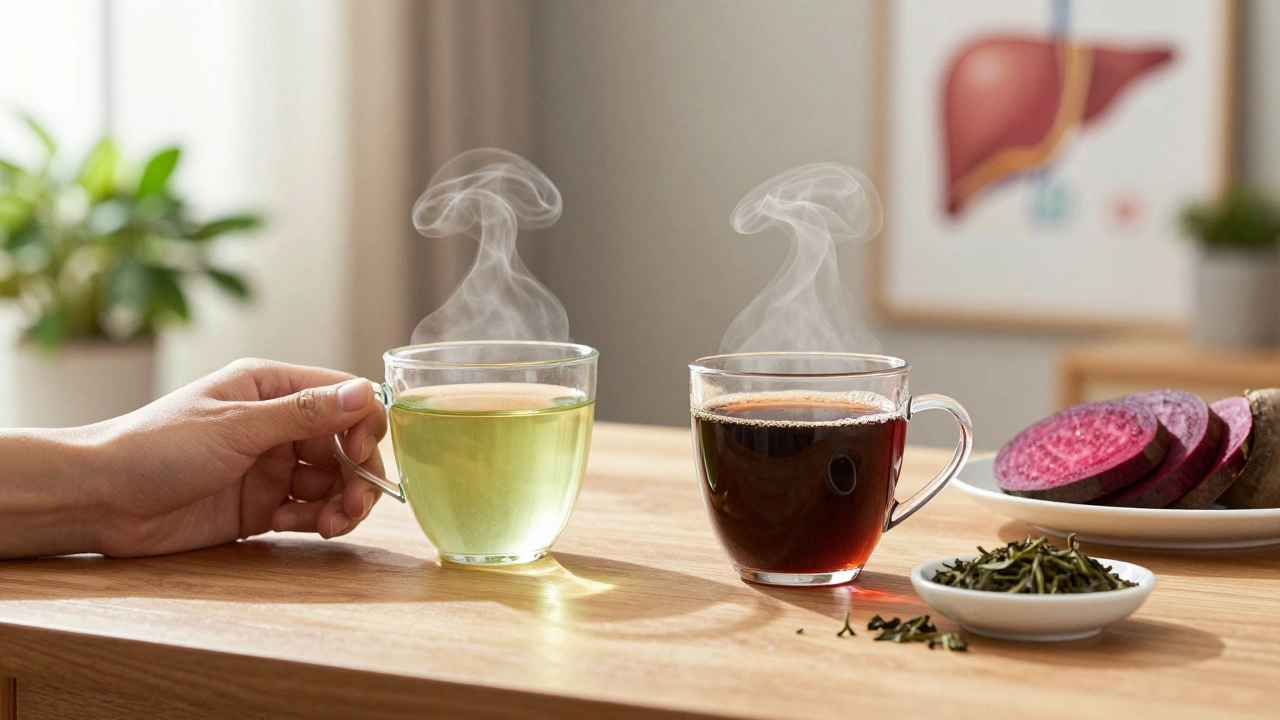
Liver Support Drink Calculator
Based on scientific evidence, not myths. This tool helps you identify which drinks support your liver health based on your current situation.
There’s no such thing as a drink that can "flush" your liver like a drain. The idea that a cup of tea, lemon water, or some herbal blend can sweep toxins out of your liver is a myth. But that doesn’t mean what you drink doesn’t matter-your liver is always working, and what you put in your body either helps it or hinders it.
Your liver doesn’t need flushing-it needs support
Your liver is one of the most efficient organs in your body. It processes everything: alcohol, medications, sugar, environmental toxins, even the byproducts of your own metabolism. It doesn’t get clogged like a pipe. It doesn’t need a pressure wash. It needs steady, long-term care.
When people talk about "flushing" their liver, they’re usually reacting to fatigue, bloating, or skin issues. Those symptoms aren’t signs of a dirty liver. They’re signs your body is under stress. And stress often comes from what you eat, drink, or how you live-not from toxins you need to wash out.
What actually helps your liver work better?
There are drinks that support liver function. Not by flushing, but by reducing inflammation, lowering oxidative stress, and giving your liver the nutrients it needs to do its job.
Green tea is one of the most studied. It contains catechins, especially EGCG, which have been shown in human trials to reduce liver fat and enzyme levels in people with non-alcoholic fatty liver disease (NAFLD). A 2020 study in the Journal of Hepatology found that people who drank 3-5 cups of green tea daily for 12 weeks had lower ALT and AST levels-key markers of liver stress.
Coffee isn’t just a morning pick-me-up. Multiple large studies, including one from the University of Southampton tracking over 250,000 people, show that regular coffee drinkers have lower rates of liver fibrosis, cirrhosis, and liver cancer. It doesn’t matter if it’s caffeinated or decaf-the benefit comes from compounds like cafestol and kahweol, which reduce inflammation and help the liver break down fat.
Beetroot juice is another quiet hero. It’s rich in nitrates and betaine. Betaine helps the liver process fats and reduces fat buildup. A small 2021 trial in the European Journal of Nutrition found that people who drank 250ml of beetroot juice daily for 12 weeks saw improved liver enzyme levels and reduced oxidative stress markers.
What about lemon water, apple cider vinegar, or detox teas?
Lemon water? It hydrates you. That’s it. Your liver doesn’t need lemon to "activate" it. Your body makes enough bile and enzymes without a squeeze of citrus.
Apple cider vinegar? Some animal studies suggest it might lower fat in the liver, but human data is thin. And drinking it straight? It can damage your tooth enamel and irritate your throat. Not worth the risk for unproven benefits.
Detox teas? Most are just diuretics. They make you pee more. That doesn’t mean toxins are leaving your liver-it means you’re losing water. Some contain senna or cascara, laxatives that can cause cramps, electrolyte imbalances, and even liver damage with long-term use. The FDA has issued warnings about several popular detox tea brands linked to acute hepatitis.
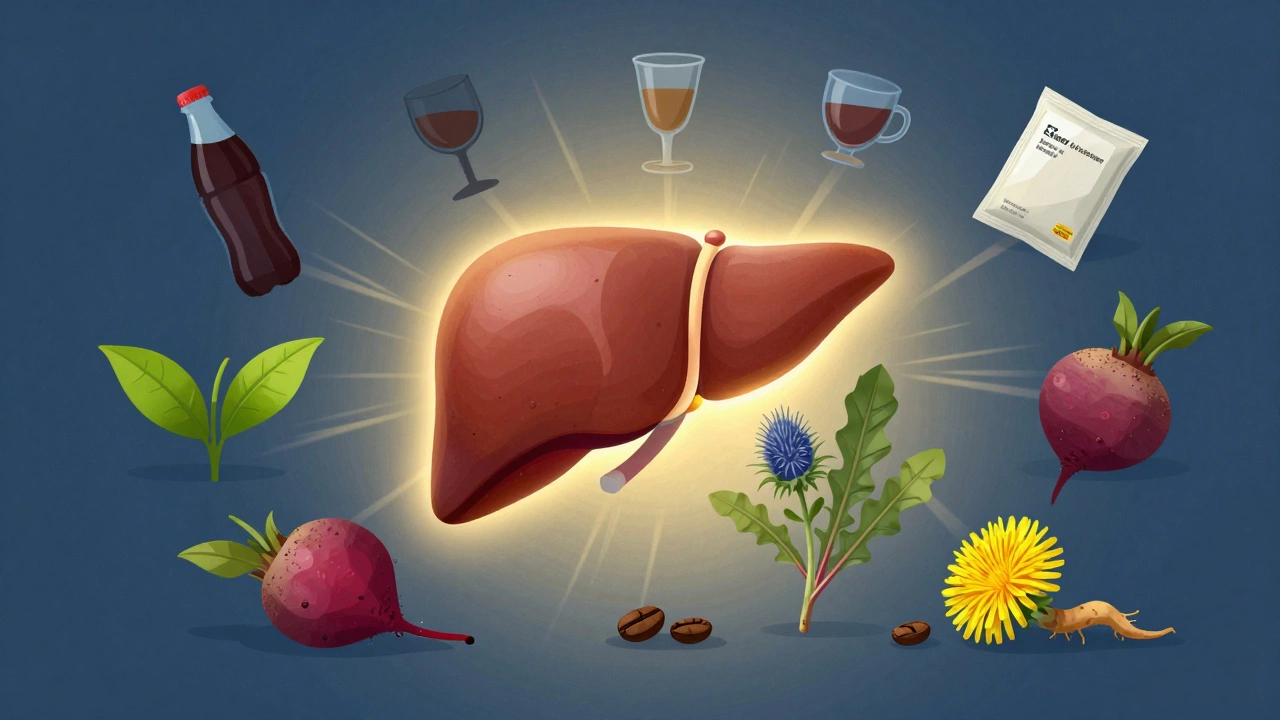
Herbs that actually have liver-supporting science
Some herbs have real, peer-reviewed backing-not as magic flushes, but as gentle supports.
- Milk thistle (Silybum marianum): The active compound, silymarin, is an antioxidant that helps protect liver cells and may even stimulate regeneration. A 2016 meta-analysis in Phytomedicine found it improved liver enzymes and reduced inflammation in people with NAFLD and alcoholic liver disease.
- Dandelion root: Used in traditional medicine for centuries. Modern studies show it may increase bile flow, helping the liver break down fats more efficiently. One 2022 pilot study in 32 adults found improved digestion and reduced liver stiffness after 6 weeks of dandelion root extract.
- Artichoke leaf extract: Shown in multiple trials to improve bile production and reduce cholesterol buildup in the liver. A 2018 review in Frontiers in Pharmacology concluded it was safe and effective for mild liver dysfunction.
These aren’t quick fixes. You need to take them consistently for weeks or months-not as a one-time cleanse.
What you should avoid
The biggest threat to your liver isn’t what you don’t drink-it’s what you do drink.
- Alcohol: Even moderate drinking over time causes fat buildup, inflammation, and scarring. The liver breaks down alcohol into acetaldehyde-a known carcinogen. No amount is truly "safe" for liver health.
- Sugary drinks: Soda, energy drinks, sweetened teas. Fructose is processed almost entirely by the liver. Too much turns into fat, leading to NAFLD. One 12-oz can of soda = 39 grams of sugar. That’s more than your liver can handle in a day.
- Artificial sweeteners: Aspartame, sucralose, saccharin. Emerging research links them to changes in gut bacteria that may increase liver inflammation. A 2023 study in Nature Metabolism showed mice fed artificial sweeteners developed fatty liver faster than those drinking sugar water.
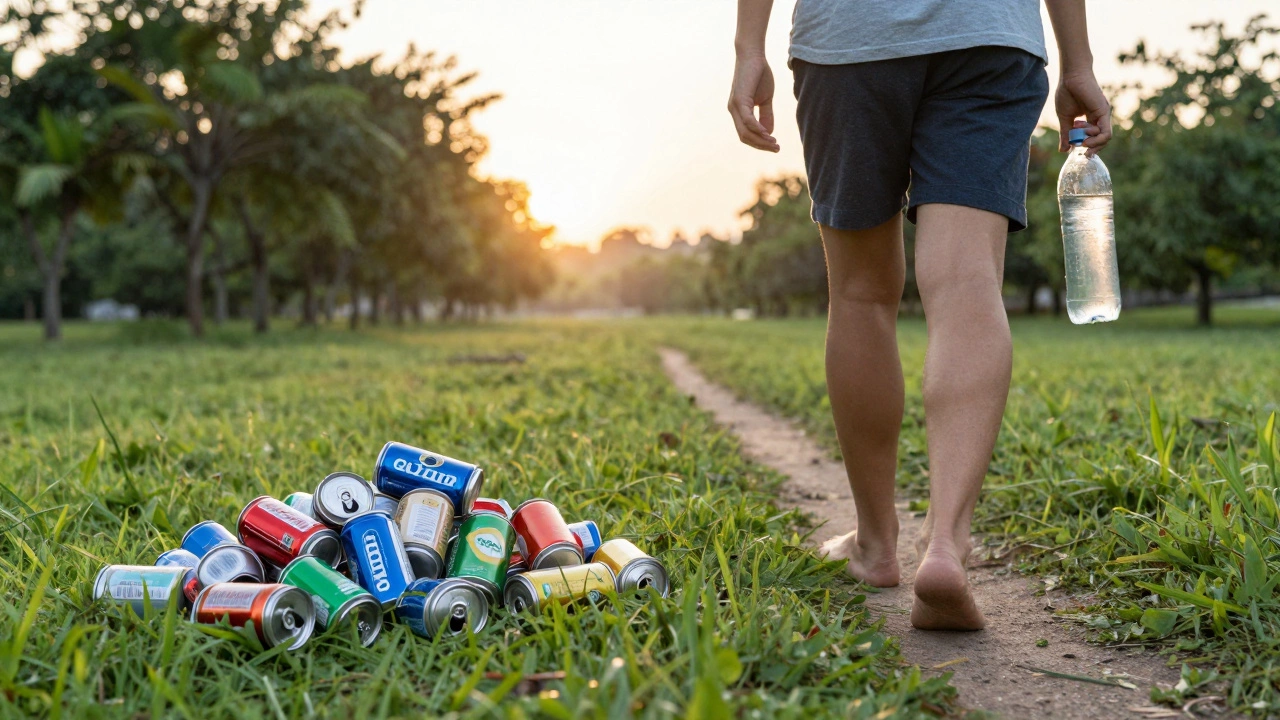
Real liver support: Lifestyle over liquids
Drinks matter-but they’re only part of the picture. Your liver thrives on consistency.
- Move daily: Even a 30-minute walk lowers liver fat. Exercise helps your body use insulin better, so your liver doesn’t have to store as much sugar as fat.
- Eat fiber: Oats, beans, broccoli, flaxseed. Fiber binds to toxins and cholesterol in the gut and helps remove them before they reach the liver.
- Sleep well: Your liver repairs itself mostly between 11 PM and 3 AM. Chronic sleep loss increases inflammation and fat buildup.
- Manage stress: High cortisol levels raise liver enzymes. Meditation, breathing exercises, or even just walking in nature can lower stress hormones.
Bottom line: No magic drink, but plenty of smart choices
There’s no drink that can "flush" your liver. That’s not how biology works. But you can support your liver every day with simple, science-backed habits.
Start with water-plain, clean, and enough of it. Add green tea or coffee if you like them. Eat whole foods. Cut out sugary drinks and excess alcohol. If you want herbs, try milk thistle or dandelion root-but only as part of a healthy routine, not as a quick fix.
Your liver doesn’t need a detox. It needs you to stop poisoning it.
Can lemon water detox your liver?
No. Lemon water hydrates you and adds vitamin C, but it doesn’t detox or flush your liver. Your liver makes its own detox enzymes. Lemon doesn’t activate them. It’s fine to drink, but don’t expect it to fix liver issues.
Is coffee good for the liver?
Yes. Multiple large studies show coffee drinkers have lower rates of liver disease, including fatty liver, fibrosis, and liver cancer. The benefit comes from antioxidants like cafestol and kahweol, not caffeine. Even decaf helps.
Do detox teas really work?
No, and they can be dangerous. Most detox teas are laxatives that cause water loss, not toxin removal. Some contain herbs like senna that can damage your liver over time. The FDA has warned against several brands linked to liver injury.
What’s the best herbal supplement for liver health?
Milk thistle (silymarin) has the strongest evidence. It reduces inflammation and protects liver cells. Dandelion root and artichoke leaf extract also show promise in clinical studies. Always choose standardized extracts and talk to a doctor if you’re on medications.
Can I reverse liver damage with drinks?
Early-stage liver damage, like fatty liver, can improve with lifestyle changes-not drinks. Cutting sugar, alcohol, and processed foods, plus regular exercise and good sleep, can reverse fat buildup in months. No drink alone can do this.