Orthopedics: Your Guide to Bone, Joint, and Muscle Care in India
When your knee locks up, your back aches after standing too long, or your shoulder won’t lift your grocery bag, you’re dealing with orthopedics, the branch of medicine focused on the musculoskeletal system—bones, joints, muscles, ligaments, and tendons. Also known as musculoskeletal medicine, it’s not just about broken bones—it’s about keeping you moving, pain-free, and active at any age. In India, where arthritis affects over 1 in 5 adults over 40 and knee replacements are rising fast, understanding orthopedics means knowing when to act, what tests to ask for, and how to avoid unnecessary surgery.
Most people first meet an orthopedic surgeon, a specialist trained to diagnose and treat conditions of the musculoskeletal system, including sports injuries, degenerative diseases, and trauma after months of ignoring pain. But the first visit isn’t about rushing to the operating room. It’s about figuring out if your pain comes from worn cartilage, inflamed tissue, or something else entirely. That’s where joint pain, a broad symptom caused by arthritis, injury, or overuse, often requiring imaging or blood tests for accurate diagnosis comes in. Many patients don’t realize that an X-ray, MRI, or even a simple blood test can rule out serious issues—or confirm that walking more might be better than surgery. And when it comes to knee replacement, a major surgical procedure to replace a damaged knee joint, often recommended for severe osteoarthritis, there’s a lot of misinformation. You don’t need to wait until you’re bone-on-bone. You don’t need to accept chronic pain as normal. And you definitely don’t need to skip rehab just because the surgery is done.
What you’ll find here isn’t theory. It’s what real people in Bangalore, Delhi, Pune, and small-town clinics are experiencing. From the exact tests doctors use to spot early joint damage, to the walking routines that delay knee replacement, to the mistakes that slow down recovery—you’ll get straight answers without the medical jargon. We cover what happens on your first visit to an orthopedic clinic, what painkillers actually work for Indian bodies, and why some people recover in weeks while others struggle for months. You’ll learn how age, diet, and even how you talk to your doctor can change your outcome. This isn’t about scare tactics or selling surgery. It’s about giving you the facts so you can make smarter choices—for your body, your wallet, and your future.
Whether you’re wondering if walking helps stiff knees, if bone surgery is as painful as people say, or whether you can avoid knee replacement entirely—everything you need is right here. No fluff. No hype. Just what works, based on real cases and real doctors in India.

How Long to Sleep with Leg Straight After Knee Replacement
After knee replacement, most patients need to keep their leg straight while sleeping for only 1-2 weeks. Beyond that, comfort and safe positioning matter more than rigid alignment. Learn what really works-and what doesn’t.

What kind of doctor is best for joint and muscle pain?
Not all doctors treat joint and muscle pain the same. Learn which specialist-orthopedic, rheumatologist, or physical therapist-is best for your symptoms, and how to avoid delays in getting real relief.
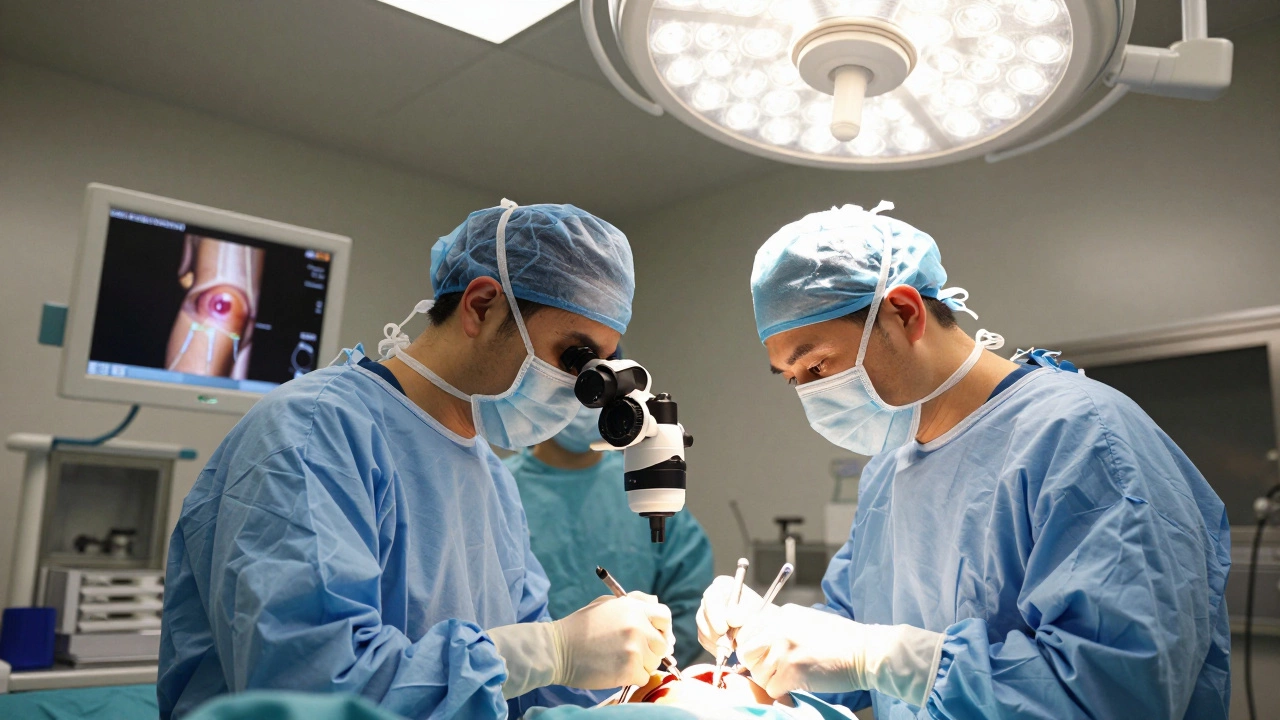
How Long Do Orthopedic Surgeries Take? Real-Time Estimates for Common Procedures
Find out how long common orthopedic surgeries like knee replacements, hip surgeries, and spinal fusions actually take. Real-time estimates based on hospital data and expert practice.
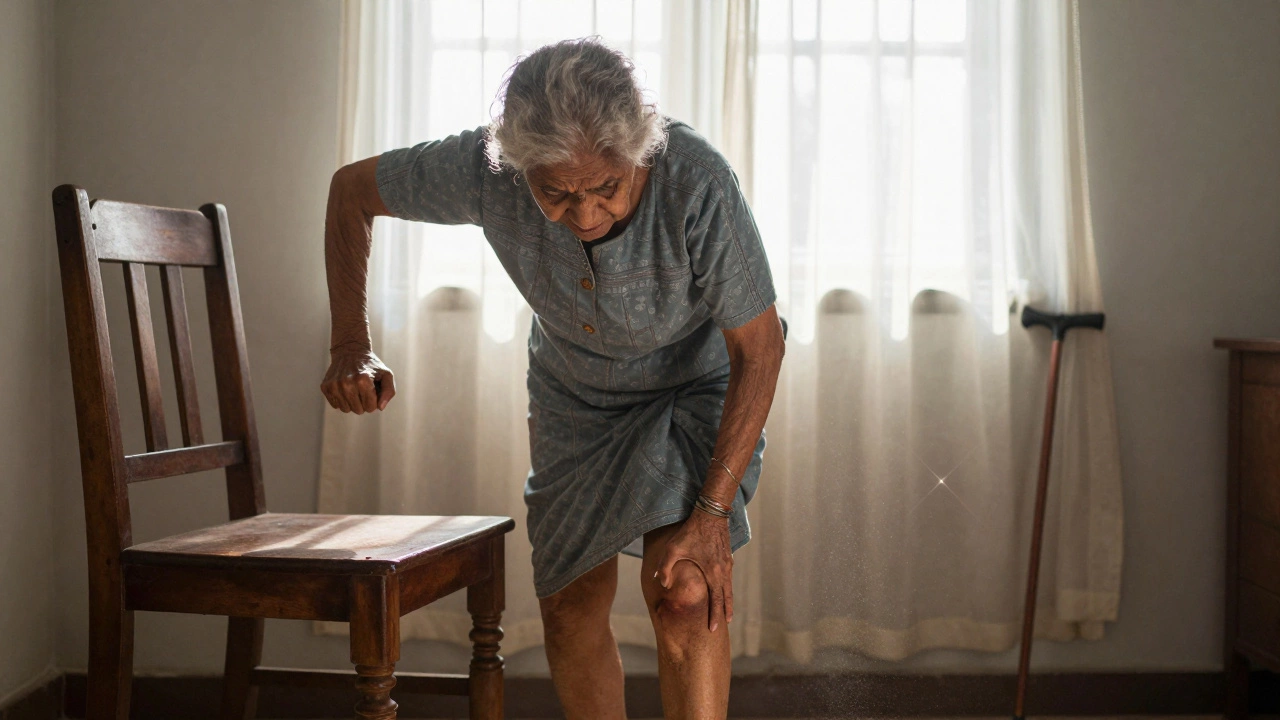
How Bad Does a Knee Have to Be Before It's Replaced?
There's no single pain level that means it's time for knee replacement-but when daily life becomes a struggle, surgery is often the best way to get back your freedom. Learn the real signs your knee has reached its limit.
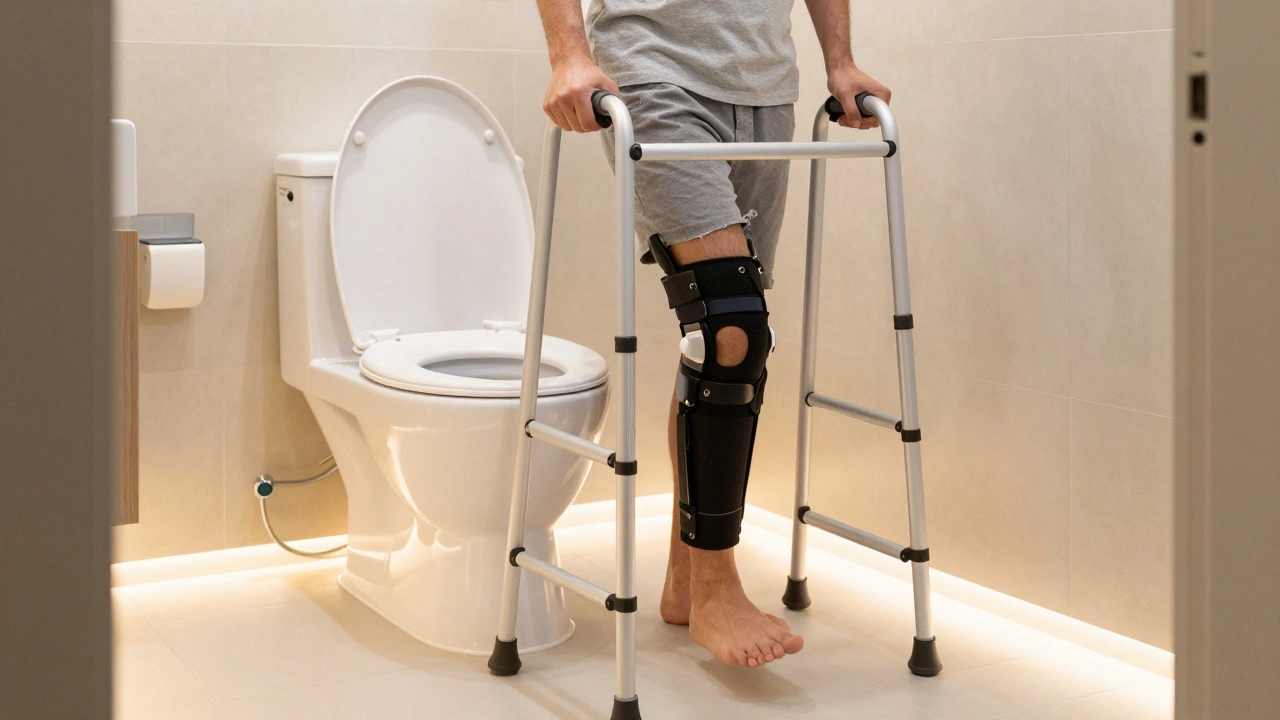
Can I Go to the Bathroom by Myself After Knee Surgery?
After knee replacement surgery, using the bathroom alone is possible within days if you prepare properly. Learn how to set up your bathroom, transfer safely, and know when to ask for help.
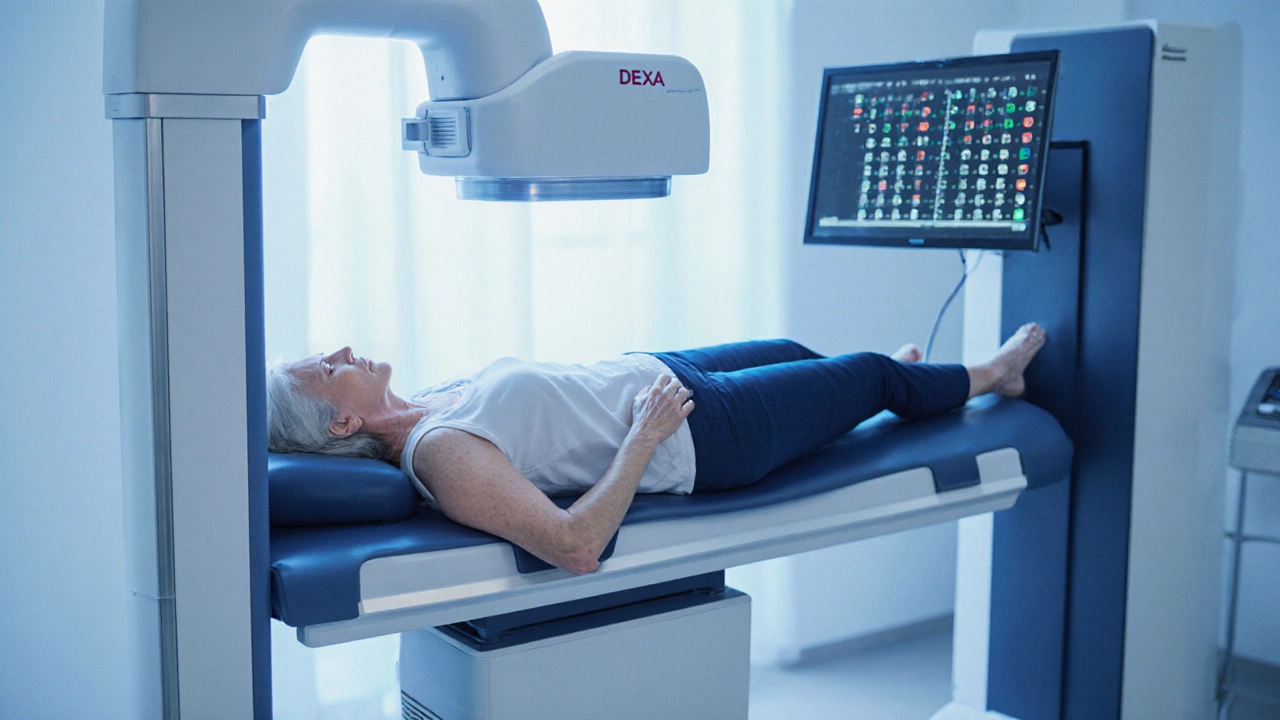
Best Tests for Bones and Joints: What Doctors Actually Use
Discover the most effective tests for bone and joint pain - from X-rays and MRIs to DEXA scans and blood tests. Learn what doctors in India actually use to diagnose the real cause of your discomfort.

Is Walking Good for Stiff Knees? What Doctors in Bangalore Say
Walking is one of the safest and most effective ways to relieve stiff knees caused by arthritis or after knee replacement. Learn how to walk properly, avoid common mistakes, and use this simple habit to reduce pain and delay surgery.

Can You Avoid Knee Replacement If You Are Bone-on-Bone? Real Options Beyond Surgery
Even with bone-on-bone knee arthritis, surgery isn't your only option. Learn proven non-surgical ways to reduce pain, improve mobility, and delay or avoid knee replacement with science-backed strategies.

What is the most effective painkiller for arthritis? Top options backed by real-world results
Discover the most effective painkillers for arthritis based on type-osteoarthritis vs. rheumatoid arthritis. Learn which medications work best, their risks, and what doctors really recommend for lasting relief.

Best Pain Meds for Muscle and Joint Pain: A Complete Guide
Discover the most effective pain medication for muscle and joint pain, compare NSAIDs, acetaminophen, and topicals, and learn how to choose safely.

Common Mistakes After Knee Surgery and How to Avoid Them
Learn the most common post‑knee surgery errors and how to avoid them with clear steps, rehab tips, diet advice, and warning signs for a smoother recovery.

Is Bone Surgery Painful? Understanding Pain, Recovery, and Relief Options
Is bone surgery painful? Learn what to expect before, during, and after bone surgery, from anesthesia to pain management and full recovery in a straightforward way.