Cancer Treatment: What Works, What Doesn't, and What You Need to Know
When someone hears cancer treatment, the medical approaches used to stop or slow the growth of cancer cells. Also known as oncology care, it includes everything from surgery to targeted drugs and emotional support, it’s not just about killing cells—it’s about surviving with your life intact. Cancer treatment isn’t one thing. It’s a mix of tools, timing, and tough choices, shaped by the type of cancer, how early it’s found, and what your body can handle. Some treatments aim to cure. Others aim to give you more good days. And sometimes, the most powerful choice is saying no to a treatment that won’t help you live better.
That’s why knowing the difference between chemotherapy, a drug-based treatment that targets fast-growing cells, including cancer, and radiation therapy, focused high-energy beams that destroy cancer cells in a specific area matters. One might shrink a tumor in your lung; the other might wipe out cancer cells after surgery. Then there’s surgery, the physical removal of tumors and affected tissue, often the first step when cancer hasn’t spread. And now, immunotherapy, a newer approach that helps your own immune system recognize and attack cancer, is changing the game for some of the toughest cancers. These aren’t just buzzwords—they’re real tools, each with its own timeline, side effects, and chances of success.
But treatment doesn’t happen in a vacuum. It’s tied to when you catch it, what kind of cancer you have, and how your body reacts. Pancreatic cancer stays deadly because it shows no signs until it’s advanced. Skin cancer? Often caught early and cured with a simple cut. That’s why some cancers are easier to treat than others—not because the treatment is better, but because we find them sooner. And even when cancer is advanced, remission isn’t impossible. People live years with stage 4 cancer, managing it like a chronic illness. The hardest days often come after chemo, when fatigue hits hard and hope feels thin. That’s when support, honest talk, and knowing your options become as important as the drugs.
You’ll find real stories here—not hype, not fear-mongering. Just what people actually face: the cost of care, the emotional toll, the moments when saying no to treatment is the bravest thing you can do. Whether you’re asking which cancer is easiest to survive, why some cancers stay silent for years, or if stage 4 can ever go into remission, the answers aren’t in a brochure. They’re in the details. And below, you’ll find them—clear, direct, and made for real life.
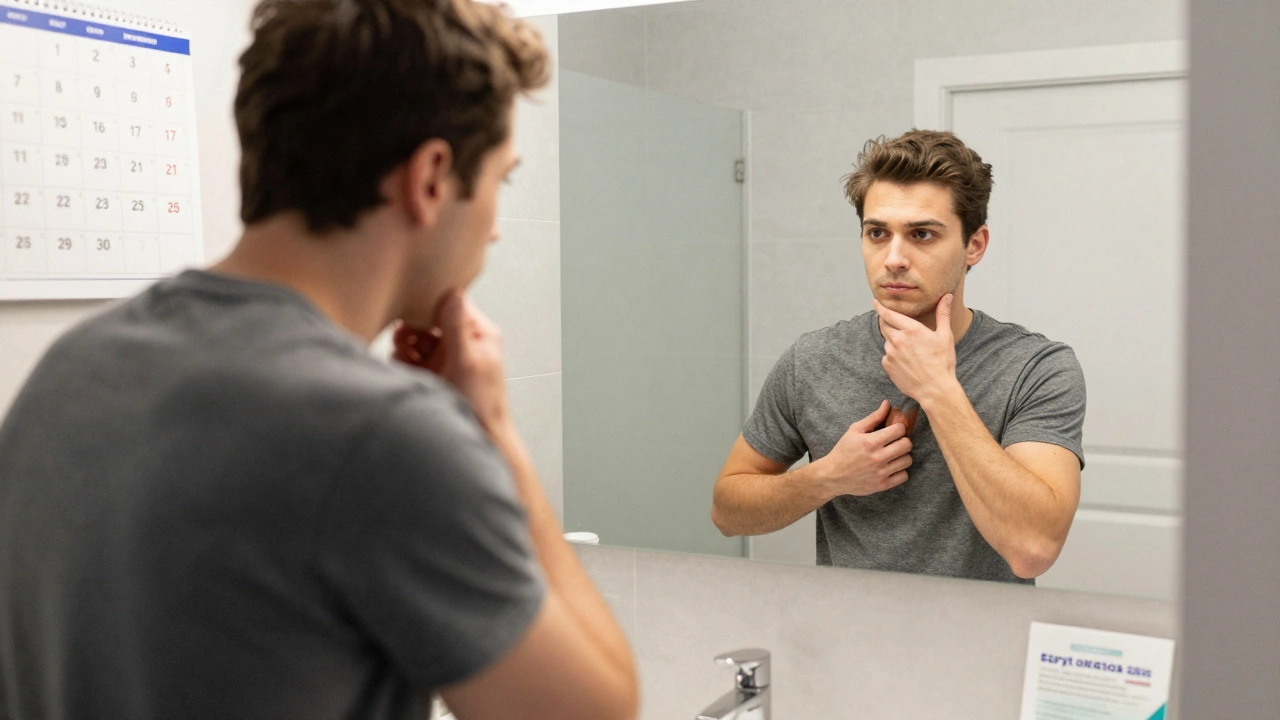
What cancer is 100% curable? Real facts about treatable cancers
Some cancers like testicular, thyroid, and early-stage cervical cancer have cure rates above 99% when caught early. Learn which cancers are truly curable and how to catch them before it's too late.

Has Anyone Been Saved from Stage 4 Cancer? Real Stories and Science Behind the Odds
Many believe stage 4 cancer is a death sentence, but real cases show people are living years beyond diagnosis. Learn how targeted therapies, immunotherapy, and personalized medicine are changing survival odds-and what steps you can take today.

How to Destroy Cancer Cells Naturally: Science-Backed Ways to Support Your Body’s Defense
Learn science-backed ways to support your body’s natural ability to fight cancer cells through diet, movement, sleep, stress control, and reducing toxins. No magic cures-just real, daily habits that make a difference.

What Is the Easiest Cancer to Treat?
Some cancers are far easier to treat than others-especially when caught early. Learn which types have the highest cure rates and what steps you can take today to improve your chances.
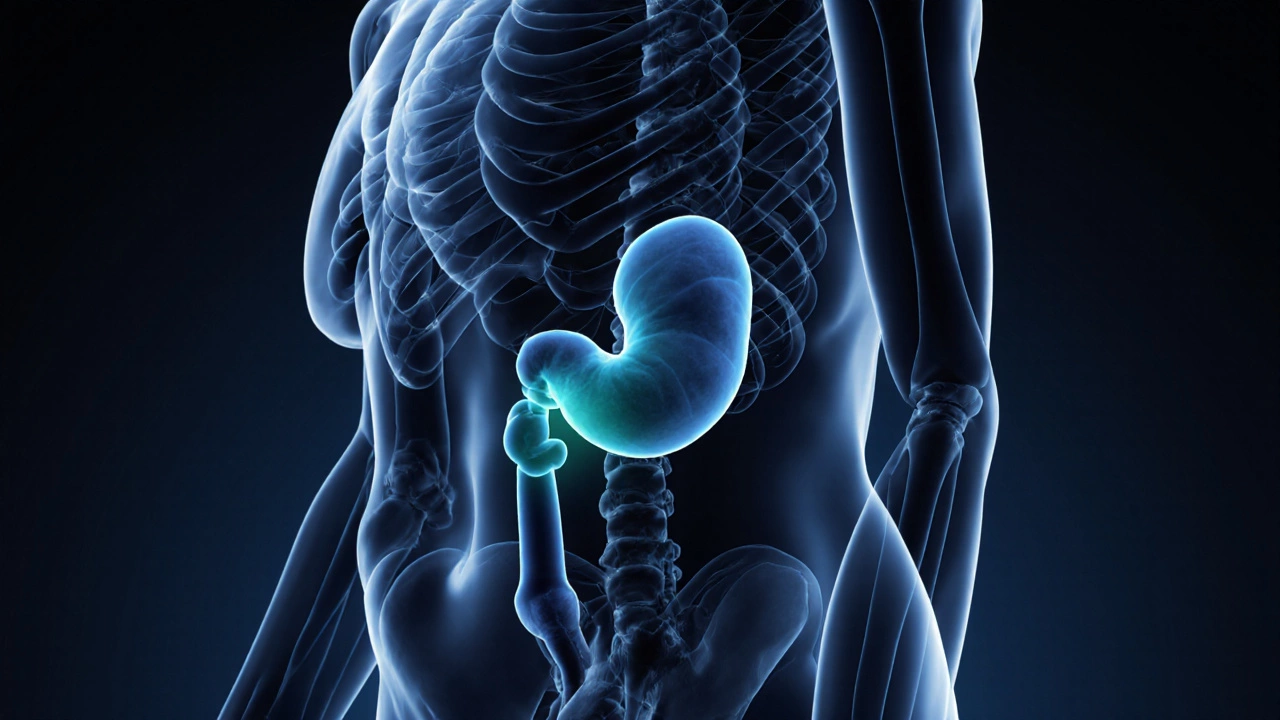
Which Cancer Is Called the Silent Killer?
Explore why pancreatic, ovarian, liver and other cancers are called silent killers, their hidden symptoms, risk factors, and early‑detection strategies you can use today.
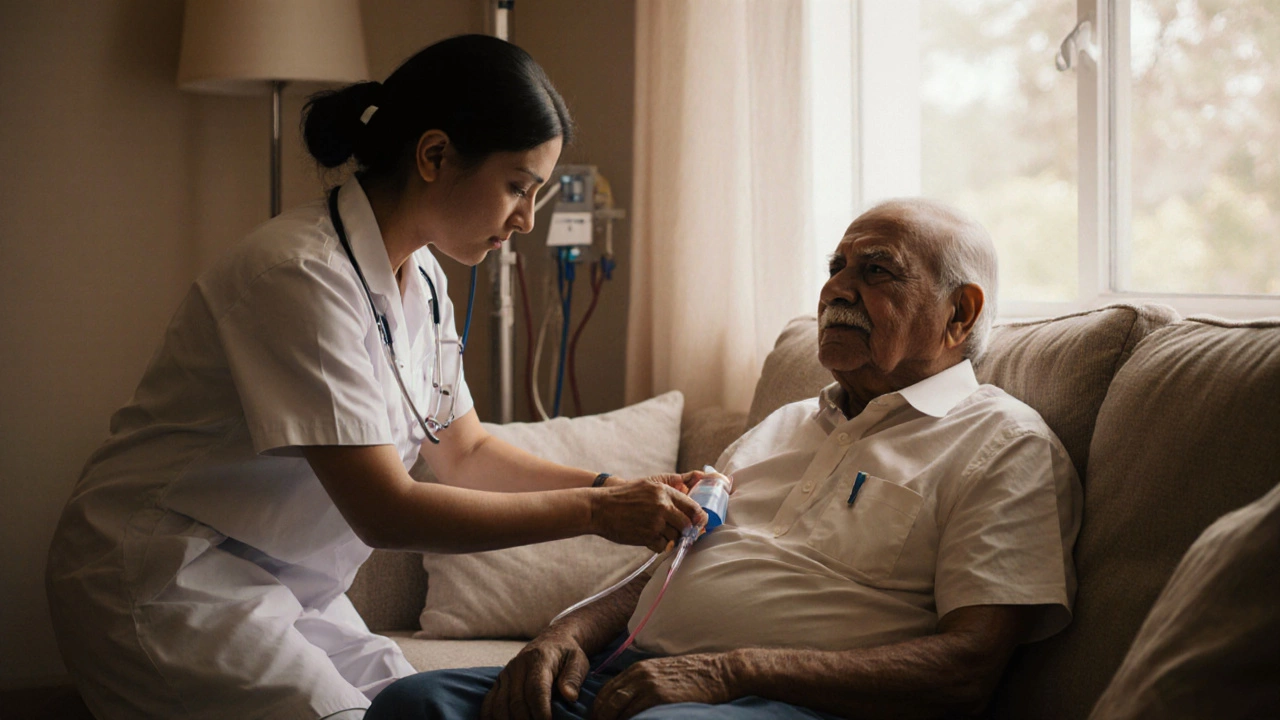
What Do Cancer Patients Need Most? Essential Support and Resources
Learn the top physical, emotional, financial and practical needs of cancer patients and how to meet them with clear resources and actionable tips.
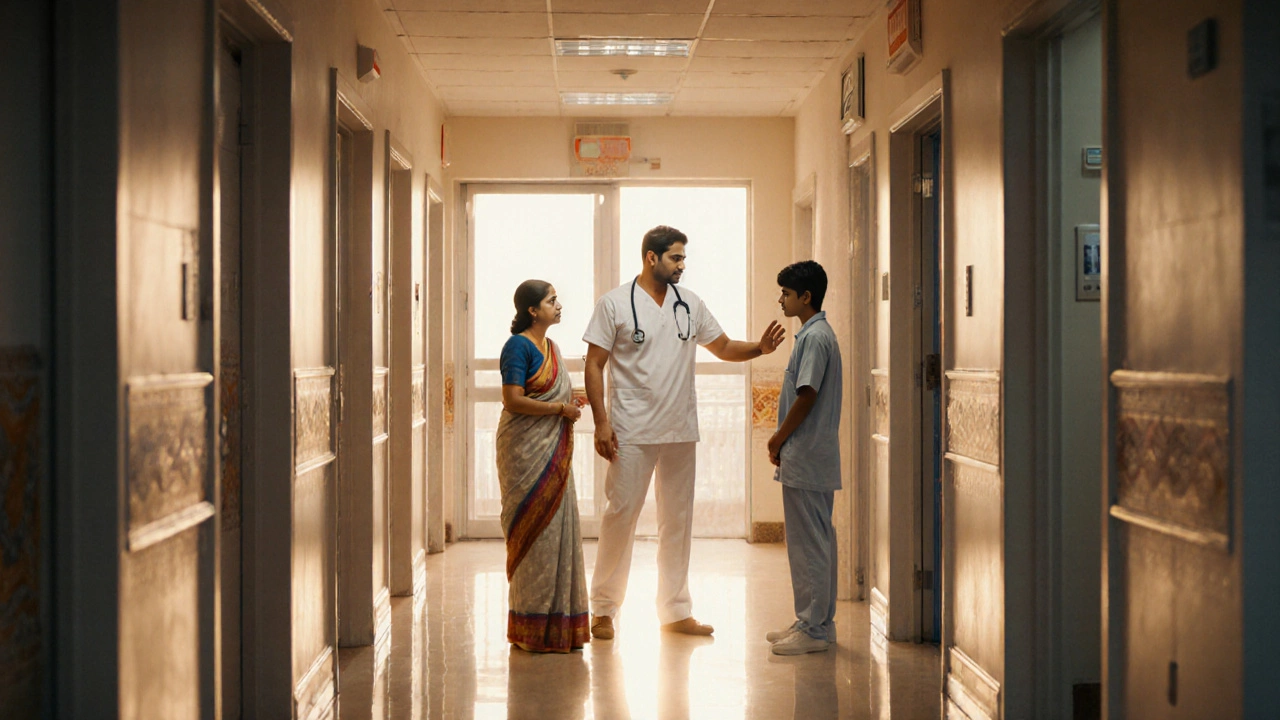
Primary Cancer Treatment Options Explained: Surgery, Chemotherapy, Radiation & More
Discover the main cancer treatment strategies, how they work, when they're used, and what to expect from surgery, chemotherapy, radiation, immunotherapy and more.
Most Aggressive Cancer: Facts, Symptoms, Risks, and Treatment Challenges
Discover which cancer is most aggressive, signs to watch for, why it's deadly, risk factors, real survival odds, and what treatment looks like today.
Easiest Cancer to Survive: Survival Rates, Early Detection, and Key Facts
Ever wondered which cancer offers the best survival odds? Uncover the easiest cancers to survive, why they’re less deadly, and actionable steps for early detection and recovery.
Hardest Cancers to Cure: Exploring Why Pancreatic Cancer Remains So Deadly
What makes pancreatic cancer so tough to treat? Explore real reasons behind its high death rate, challenges doctors face, and fresh hope on research front.
Hardest Days After Chemo: What to Expect and How to Cope
Curious about the most difficult days after chemo? Learn about the toughest symptoms, timing, real-life tips, and what actually helps on the hardest days after chemotherapy.
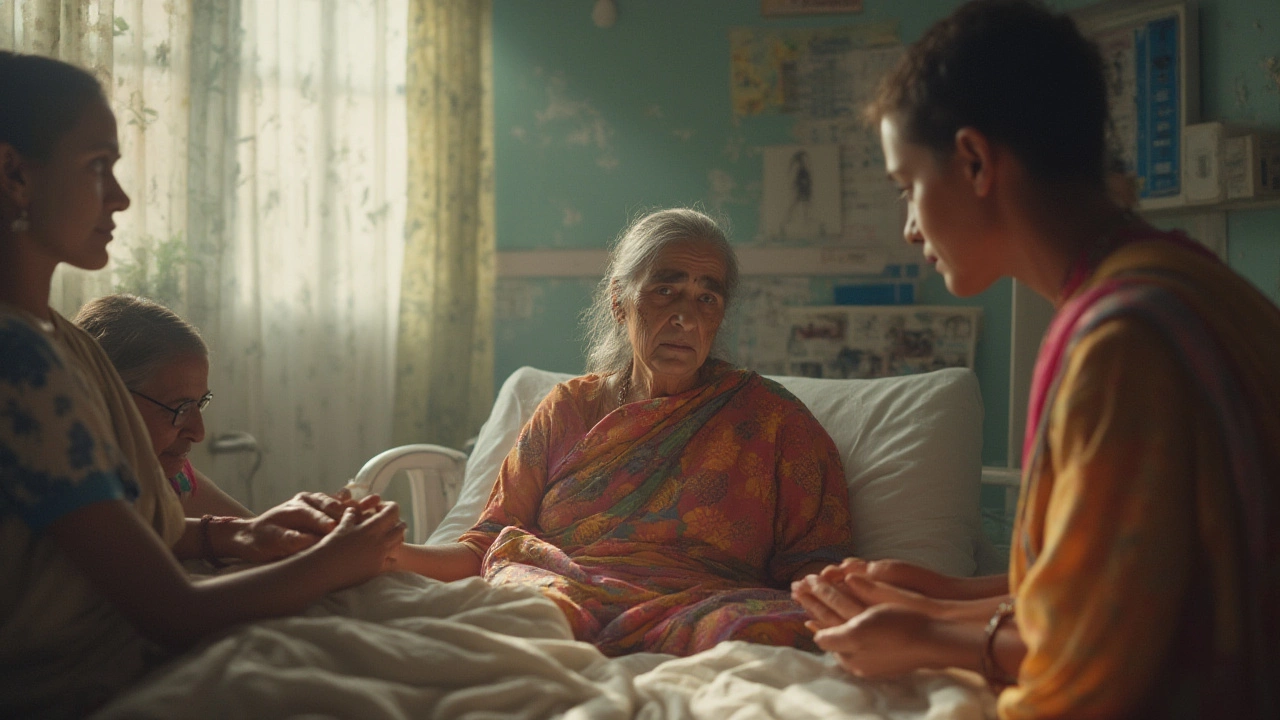
When to Refuse Chemotherapy: Understanding Your Choices in Cancer Treatment
Dig into when it might make sense to say no to chemotherapy, weighing facts, real stories, quality of life, and modern alternatives for cancer patients.