Ayurvedic Belly Fat Strategy Finder
Select the description that best matches your body type and relationship with weight:
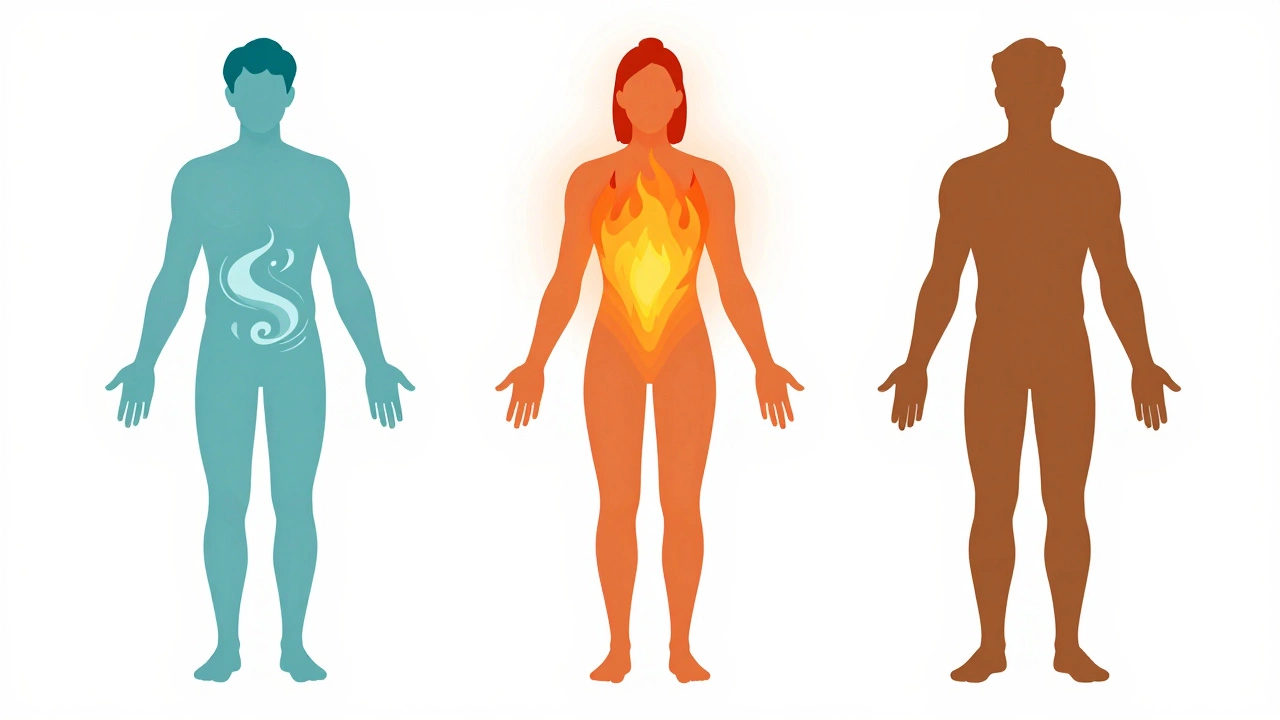
Kapha Type
Slow metabolism. You gain weight easily but find it hard to lose. Prone to lethargy, water retention, and cravings for heavy/sweet foods.
Stimulation NeededPitta Type
Strong digestion usually, but stress leads to central adiposity. Prone to inflammation, irritability, and emotional eating during high-pressure times.
Cooling NeededVata Type
Usually thin, but belly is bloated/distended due to gas. Irregular digestion, erratic eating habits, and trapped wind/water retention.
Grounding NeededTop Herbs
Diet Focus
That stubborn layer of fat around your waist doesn't just sit there by accident. In Ayurveda, the ancient Indian system of medicine that has guided health practices for over 3,000 years, belly fat is rarely viewed as a cosmetic issue. Instead, it is seen as a sign of deeper internal imbalance. Specifically, it points to sluggish digestion and an accumulation of toxins known as Ama. If you are looking for the "best" Ayurvedic solution, you need to understand that there is no single magic pill. The most effective approach depends entirely on your unique body constitution, or Dosha.
Modern science confirms what Ayurveda has long taught: visceral fat-the fat stored deep inside the abdomen around organs-is metabolically active and dangerous. It releases inflammatory cytokines that can lead to insulin resistance and heart disease. While Western medicine often prescribes restrictive diets or intense cardio, Ayurveda offers a gentler, root-cause approach. It focuses on strengthening your digestive fire, or Agni, so your body can burn fuel efficiently rather than storing it as fat.
Understanding Your Dosha and Belly Fat
Before you pick up any herb, you must identify which Dosha dominates your physiology. There are three main types: Vata, Pitta, and Kapha. Each one gains and loses weight differently, and each requires a specific strategy.
- Kapha Dosha: This is the most common culprit behind belly fat. Kapha individuals tend to have a slow metabolism, gain weight easily, and find it hard to lose. Their fat accumulation is often due to lethargy and heavy, oily foods. For Kapha, the goal is stimulation and lightness.
- Pitta Dosha: Pitta types usually have strong digestion but may develop belly fat due to stress and inflammation. Cortisol spikes from high-pressure jobs or emotional turmoil can cause central adiposity in Pitta bodies. The focus here is cooling and calming.
- Vata Dosha: Vata people are typically thin but can develop a bloated, distended belly due to gas and irregular digestion. This isn't always pure fat; it's often trapped wind and water retention caused by erratic eating habits.
If you eat heavy meals late at night, skip breakfast, or drink cold water with food, you weaken your Agni regardless of your Dosha. Weak Agni leads to the formation of Ama, a sticky toxic substance that clogs your channels and turns undigested food into fat deposits. Clearing this blockage is step one.
Top Ayurvedic Herbs for Burning Belly Fat
When we talk about the "best" Ayurvedic remedies, we are talking about herbs that specifically target metabolic rate, insulin sensitivity, and lipid metabolism. Here are the most potent options backed by both traditional use and modern research.
| Herb | Primary Action | Best For Dosha | Key Benefit |
|---|---|---|---|
| Garcinia Cambogia | Blocks fat production | Kapha | Reduces appetite and inhibits citrate lyase enzyme |
| Triphala | Digestive cleanse | All Doshas | Removes Ama and regulates bowel movements |
| Turmeric (Curcumin) | Anti-inflammatory | Pitta/Kapha | Lowers inflammation linked to visceral fat |
| Cinnamon (Dalchini) | Blood sugar control | Kapha/Pitta | Stabilizes insulin levels to prevent fat storage |
| Guggulu | Lipid metabolism | Kapha | Supports thyroid function and cholesterol breakdown |
Garcinia Cambogia contains hydroxycitric acid (HCA), which helps stop your body from converting carbohydrates into fat. It’s particularly effective for Kapha types who struggle with cravings. Triphala, a blend of three fruits-Amalaki, Bibhitaki, and Haritaki-is perhaps the most famous Ayurvedic formula. It acts as a gentle laxative and antioxidant, helping to clear out the gut lining where Ama accumulates. Many people take it at night before bed to ensure a clean start the next morning.
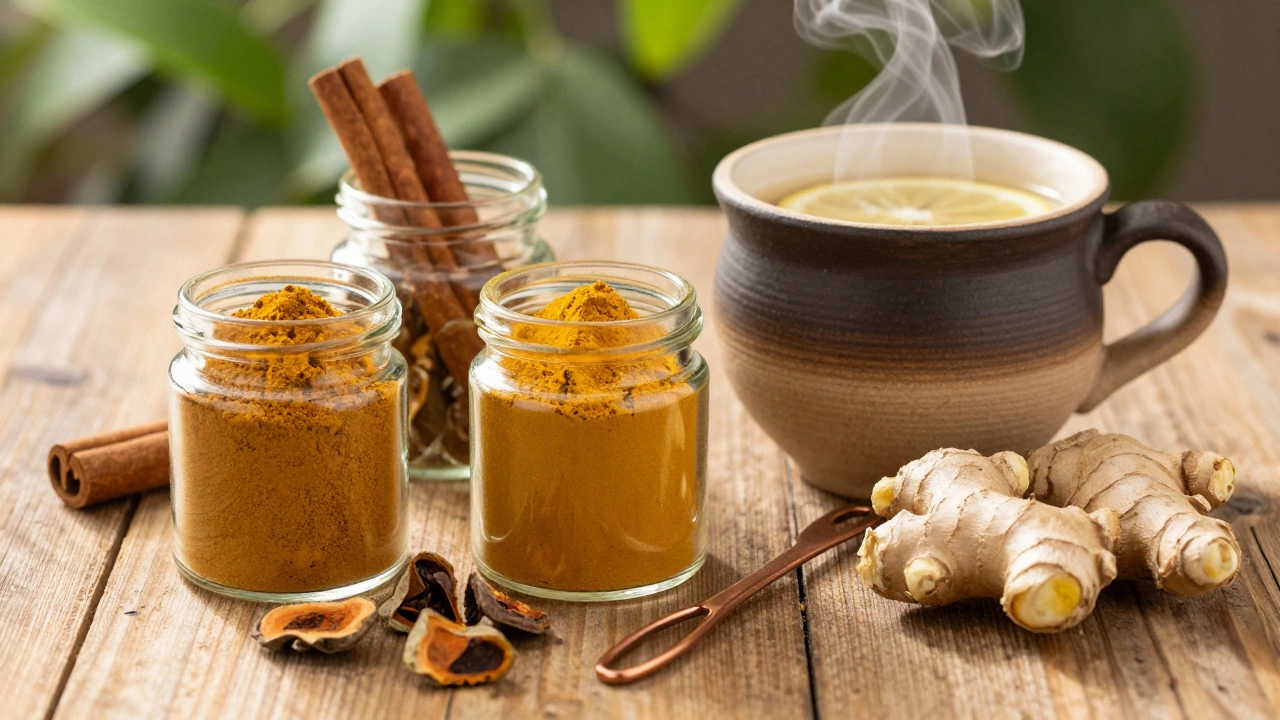
Turmeric is powerful because chronic inflammation is a major driver of abdominal obesity. Curcumin, its active compound, reduces markers of inflammation like C-reactive protein. However, turmeric needs black pepper to be absorbed properly. Without piperine, most of the curcumin passes through your system unused.
The Role of Diet: Eating According to Your Body Type
You cannot out-supplement a bad diet. In Ayurveda, food is medicine, but only if it’s right for you. The biggest mistake people make is following generic "healthy" advice that doesn’t fit their constitution.
For Kapha individuals, the diet should be light, warm, and dry. Avoid dairy, cold salads, and heavy sweets. Focus on bitter and astringent tastes, such as leafy greens, lentils, and whole grains like barley or quinoa. Spices like ginger, black pepper, and cinnamon are essential to keep your metabolism moving.
For Pitta types, avoid spicy, sour, and fermented foods that increase heat and inflammation. Stick to sweet, bitter, and astringent flavors. Cooked vegetables, sweet fruits like melons and berries, and cooling grains like basmati rice work well. Stress-eating is a major trigger for Pitta belly fat, so mindful eating is crucial.
For Vata types, consistency is key. Eat regular meals at the same time every day. Warm, moist, and grounding foods help stabilize digestion. Soups, stews, and cooked grains are better than raw salads. Avoid dry, crunchy, or cold foods that can aggravate gas and bloating.
Daily Routine: Dinacharya for Metabolic Health
Your daily routine, or Dinacharya, plays a huge role in how your body processes food. Here are simple steps to integrate into your day:
- Morning Warm Water: Start your day with a glass of warm water with lemon or ginger. This wakes up your digestive fire and helps flush out toxins accumulated overnight.
- Tongue Scraping: Use a copper tongue scraper every morning. This removes bacterial buildup and improves taste perception, which indirectly supports better digestion.
- Abhyanga (Self-Massage): Dry skin brushing or self-massage with warm sesame oil can stimulate lymphatic drainage. For weight loss, dry brushing is preferred as it generates heat.
- Yoga Poses: Incorporate twists and forward bends. Poses like Ardha Matsyendrasana (Half Lord of the Fishes Pose) massage the abdominal organs, improving liver function and digestion.
- Early Dinner: Try to finish dinner at least three hours before bedtime. Eating late forces your body to store energy as fat since it won’t be burned during sleep.

Common Mistakes That Block Progress
Even with the best herbs and diet, certain habits can sabotage your efforts. One major error is drinking ice-cold water with meals. In Ayurveda, cold liquids extinguish your digestive fire, leaving food partially digested. This creates more Ama and slows down metabolism. Always drink warm or room-temperature water.
Another mistake is over-exercising without rest. While movement is important, excessive intense cardio can spike cortisol, especially in Vata and Pitta types. This hormonal imbalance actually promotes belly fat storage. Balance vigorous activity with restorative practices like yoga or walking.
Also, beware of "detox" teas that promise rapid results. Most contain harsh laxatives that dehydrate you and damage your gut microbiome. True detoxification in Ayurveda is gradual and supportive, not aggressive.
When to Seek Professional Guidance
Ayurveda is personalized. What works for your friend might not work for you. If you have underlying conditions like hypothyroidism, PCOS, or diabetes, consult an experienced Ayurvedic practitioner. They can prescribe specific formulations, such as Kanchanar Guggulu for thyroid issues or Medohar Vati for metabolic syndrome, tailored to your needs.
Remember, belly fat loss is a marathon, not a sprint. Consistency in diet, routine, and herbal support will yield sustainable results. Trust the process, listen to your body, and let Ayurveda guide you back to balance.
How long does it take to see results with Ayurveda for belly fat?
Results vary based on your Dosha and consistency. Generally, you may notice improved digestion and reduced bloating within 2-4 weeks. Visible fat loss typically takes 2-3 months of strict adherence to diet, lifestyle, and herbal protocols. Patience is key as Ayurveda focuses on long-term metabolic health rather than quick fixes.
Can I take Triphala and Garcinia Cambogia together?
Yes, they can be complementary. Triphala is usually taken at night to aid digestion and cleansing, while Garcinia Cambogia is often taken before meals to suppress appetite. However, it's best to space them out and consult a practitioner to ensure they align with your specific Dosha and health status.
Is Ayurvedic weight loss safe for everyone?
Generally, yes, but caution is needed for pregnant women, nursing mothers, and those with serious medical conditions. Some herbs like Guggulu may interact with medications. Always inform your healthcare provider before starting any new supplement regimen, especially if you are on prescription drugs.
What foods should I avoid completely for belly fat loss?
Avoid processed sugars, refined flour (maida), cold drinks, and leftover food. These items are considered 'Ama-forming' in Ayurveda. Also, limit heavy dairy products, fried foods, and excessive salty snacks, as they contribute to water retention and slow metabolism.
Does exercise matter in Ayurvedic weight loss?
Absolutely. Ayurveda emphasizes daily exercise suitable for your Dosha. Kapha types benefit from vigorous activities like running or HIIT. Pitta types do well with moderate intensity like swimming or cycling. Vata types need gentle, grounding exercises like yoga or walking. Consistency is more important than intensity.