Herbal Liver Risk Assessment Tool
Select the herbs you currently take or are considering taking, along with your usage context, to estimate your relative liver stress risk.
Step 1: Select Herbs & Context
Common Supplements Linked to Liver Stress
Your Liver Health Score
Low Risk
Selected Items:
- No herbs selected yet.
- Fatigue not relieved by rest
- Dark urine or pale stools
- Yellowing skin/eyes (Jaundice)
- Pain in upper right abdomen
If these occur, stop supplements and consult a doctor immediately.
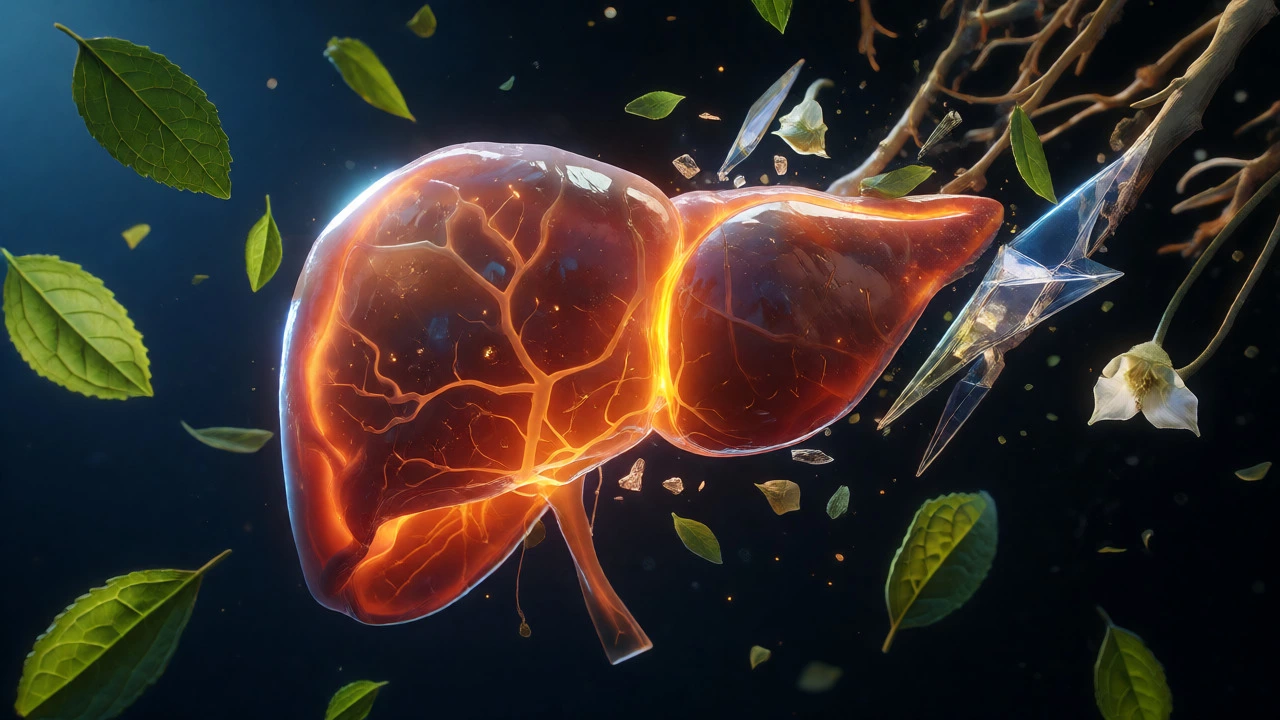
You take a gummy for stress, a tea for digestion, or a capsule for joint pain. It feels natural. It feels safe. After all, it comes from a plant, right? But here is the uncomfortable truth: herbs can be toxic to the liver. Your liver is the body’s primary filter, processing everything you ingest, including potent chemical compounds found in plants. While many herbal remedies offer genuine benefits, they are not free of risk. In fact, herbal and dietary supplement-induced liver injury (HDSI) accounts for up to 20% of all cases of acute liver failure in some regions.
This isn't about fear-mongering. It's about understanding that "natural" does not automatically mean "harmless." Aspirin came from willow bark. Digitalis came from foxglove. Plants produce complex chemicals to defend themselves against insects and fungi. When we consume concentrated extracts of these plants, we are introducing powerful substances into our system. If you use herbal supplements regularly, you need to know how they interact with your liver, which ones pose the highest risks, and how to spot trouble before it becomes serious.
Why Your Liver Is Vulnerable to Plant Compounds
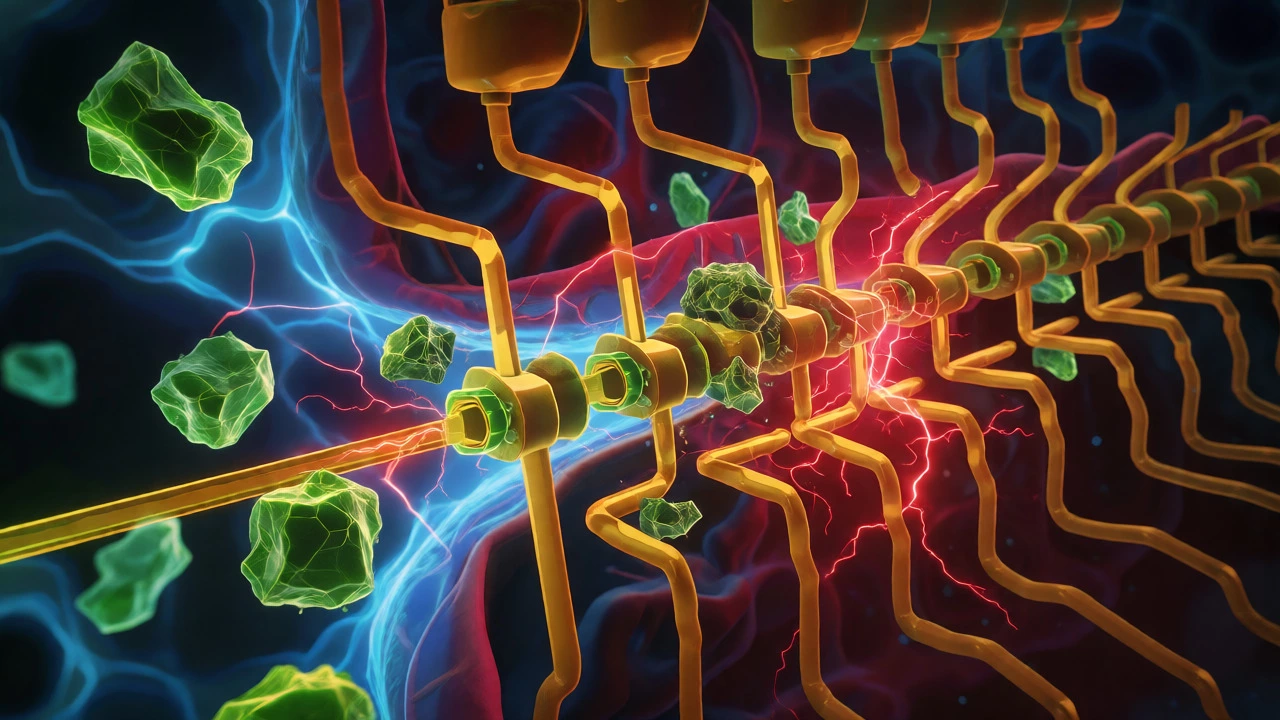
Your liver performs over 500 vital functions, but its most famous job is detoxification. It breaks down toxins, drugs, and metabolic waste products so your body can eliminate them. This process happens in two main phases. Phase I enzymes, primarily the cytochrome P450 family, chemically alter substances to make them more reactive. Phase II enzymes then attach other molecules to these altered substances, making them water-soluble so they can be excreted via urine or bile.
Here is where herbs get tricky. Some plant compounds inhibit or induce these enzymes. If an herb inhibits Phase I, other drugs stay in your system longer, potentially reaching toxic levels. If an herb induces Phase I, it might create toxic intermediates faster than Phase II can handle them. This imbalance causes oxidative stress and cellular damage. For example, Kava Kava was once popular for anxiety. However, reports linked it to severe liver damage because its kavalactones interfered with normal liver metabolism, leading to hepatocellular necrosis in susceptible individuals.
The Usual Suspects: Which Herbs Pose the Highest Risk?
Not all herbs are created equal. Some have a well-documented history of causing liver issues, while others are generally considered safe when used correctly. Knowing the difference saves you from unnecessary worry-or dangerous complacency.
| Herb/Supplement | Primary Use | Risk Level | Key Concern |
|---|---|---|---|
| Green Tea Extract | Weight loss, antioxidant | Moderate-High | High doses of EGCG (epigallocatechin gallate) can cause acute hepatitis. |
| Black Cohosh | Menopause symptoms | Moderate | Linked to idiosyncratic liver injury; mechanism unclear but well-reported. |
| Comfrey | Skin healing, inflammation | High | Contains pyrrolizidine alkaloids (PAs), which cause veno-occlusive disease. |
| Kava | Anxiety, sleep aid | High | Banned or restricted in several countries due to severe hepatotoxicity cases. |
| Chaparral | Antioxidant, skin health | High | Associated with acute hepatitis and liver failure in multiple case studies. |
Notice a pattern? Many of these are marketed for weight loss or general wellness. Green tea extract is a prime example. Drinking brewed green tea is perfectly safe for most people. But taking a concentrated pill containing 500mg+ of EGCG daily puts massive strain on the liver. A study published in Hepatology noted that high-dose green tea catechins caused significant elevations in liver enzymes in healthy volunteers within weeks.
Pyrrolizidine Alkaloids: The Silent Destroyers
If there is one compound class you should watch out for, it is pyrrolizidine alkaloids (PAs). These are naturally occurring toxins found in hundreds of plant species, including Comfrey, Coltsfoot, and Borage. Unlike typical drug side effects, PA toxicity doesn't always show up immediately. It accumulates.
PAs damage the small veins in the liver, leading to hepatic sinusoidal obstruction syndrome (HSOS), formerly known as veno-occlusive disease. Symptoms like abdominal swelling and jaundice often appear only after significant damage has occurred. The World Health Organization estimates that millions of people worldwide are exposed to PAs through contaminated grains, herbal teas, and traditional medicines. If you buy bulk herbal teas from unregulated sources, you risk consuming these alkaloids without knowing it.
Quality Control: The Hidden Danger in Your Bottle
In many countries, herbal supplements are regulated as foods, not drugs. This means manufacturers do not have to prove efficacy or safety before selling their product. They don't even have to guarantee that what's on the label matches what's in the bottle.
A landmark investigation by Consumer Reports found that many herbal supplements contained contaminants like heavy metals (lead, arsenic, mercury), pesticides, and undeclared pharmaceuticals. Sometimes, the wrong plant part is used. The root might be safe, but the leaf contains toxins. Other times, poor harvesting practices lead to mold contamination, such as aflatoxins, which are potent carcinogens and liver toxins. When you buy a cheap, no-name brand of turmeric or ashwagandha, you aren't just buying herbs; you're gambling on quality control.
Drug-Herb Interactions: When Nature Meets Medicine
Your liver processes prescription drugs and herbs using the same enzymatic pathways. This creates a competition. St. John's Wort is the classic example. It strongly induces CYP3A4, an enzyme responsible for metabolizing many medications, including birth control pills, blood thinners, and immunosuppressants. By speeding up this enzyme, St. John's Wort can render life-saving drugs ineffective. Conversely, if an herb inhibits an enzyme, it can cause drug levels to spike to toxic ranges.
Consider a patient taking warfarin for blood clotting. If they start taking Ginkgo Biloba, which has mild antiplatelet effects, their bleeding risk increases significantly. Or take someone on statins for cholesterol who adds Red Yeast Rice to their regimen. Red Yeast Rice contains monacolin K, which is chemically identical to lovastatin. Doubling up can lead to muscle breakdown (rhabdomyolysis) and subsequent liver stress.
How to Protect Your Liver While Using Herbs
You don't have to banish all herbs from your cabinet. You just need to be smarter about how you use them. Here is a practical checklist to minimize risk:
- Consult your doctor first: Especially if you have existing liver conditions like fatty liver disease, hepatitis, or cirrhosis. Even a healthy liver can struggle under extra load.
- Choose third-party tested brands: Look for seals from USP, NSF International, or ConsumerLab. These organizations test for purity, potency, and contaminants.
- Stick to recommended doses: More is not better. High doses increase the likelihood of toxicity. Follow the label or your practitioner's advice strictly.
- Limit duration: Use herbal remedies for short cycles unless directed otherwise. Long-term continuous use increases cumulative exposure.
- Monitor your body: Watch for signs of liver distress. Early detection prevents permanent damage.
Warning Signs of Liver Stress
Liver damage is often silent until it's advanced. However, early warning signs exist. Pay attention to changes in your body after starting a new supplement.
- Fatigue that doesn't go away with rest.
- Nausea or loss of appetite.
- Dark urine or pale stools.
- Yellowing of the skin or eyes (jaundice).
- Pain or tenderness in the upper right abdomen.
- Itchy skin without a rash.
If you experience any of these, stop the supplement immediately and seek medical evaluation. A simple blood test measuring ALT, AST, and bilirubin levels can reveal liver inflammation quickly.
The Bottom Line
Herbs are powerful tools, but they are not candy. They contain bioactive compounds that interact with your biology. Treating them with respect means acknowledging their potential for harm alongside their benefits. Don't assume safety based on marketing claims. Do your homework, choose reputable sources, and keep your healthcare provider in the loop. Your liver works hard for you every day; give it a break by being mindful of what you feed it.
Is drinking green tea bad for my liver?
No, drinking brewed green tea is generally safe and beneficial for most people. The risk comes from concentrated green tea extract supplements, which deliver much higher doses of catechins (like EGCG) than you would get from tea leaves. High doses of these extracts have been linked to liver injury.
Can herbal supplements reverse liver damage?
Some herbs, like Milk Thistle (Silymarin), are studied for their potential to support liver health and reduce inflammation. However, they are not cures for established liver disease like cirrhosis. Always consult a specialist before using herbs to treat liver conditions, as some may worsen the situation.
What are pyrrolizidine alkaloids?
Pyrrolizidine alkaloids (PAs) are toxic compounds found in certain plants like Comfrey and Coltsfoot. They can cause severe liver damage by blocking small blood vessels in the liver. Because they accumulate over time, chronic exposure is particularly dangerous.
How do I know if a herbal supplement is safe?
Look for third-party certification seals like USP Verified, NSF Certified for Sport, or ConsumerLab Approved. These indicate the product has been tested for purity, potency, and absence of contaminants like heavy metals or undeclared ingredients.
Do herbs interact with prescription medications?
Yes, many herbs affect liver enzymes that process medications. St. John's Wort, for example, can reduce the effectiveness of birth control and antidepressants. Ginkgo Biloba can increase bleeding risk with blood thinners. Always check for interactions with your pharmacist.