
Metformin vs Ozempic Comparison Tool
Compare Metformin and Ozempic
This tool helps you understand key differences between these diabetes medications to make informed decisions with your healthcare provider.
How these medications compare
| Comparison Factor | Metformin | Ozempic |
|---|---|---|
| Administration | Oral pill (daily) | Weekly injection |
| Primary Mechanism | Reduces liver glucose production Improves insulin sensitivity |
Slows digestion, reduces appetite Boosts insulin release only when needed |
| Typical Weight Loss | 2-4 kg over 6 months | 5-10% body weight over 1 year |
| Common Side Effects | Stomach upset, gas May cause vitamin B12 deficiency |
Nausea, vomiting, constipation May cause pancreatitis |
| Cost (India) | Less than ₹100/month | ₹8,000-₹12,000 per pen |
| Cardiovascular Benefits | Reduces heart disease risk | Reduces heart attacks, strokes More than metformin |
| Kidney Safety | May need to stop with kidney issues | Often continues with mild kidney issues |
| Starts Working | Within days | Within 1 week for blood sugar 4-8 weeks for weight loss |
Which is right for you?
Based on common clinical scenarios:
- Newly diagnosed with type 2 diabetes: Metformin is typically first choice
- Weight loss needed: Ozempic is more effective
- Budget concerns: Metformin is far more affordable
- Heart disease risk: Ozempic offers superior protection
Many people with type 2 diabetes hear the names metformin and Ozempic and wonder if they’re the same thing. They’re both used to manage blood sugar, but that’s where the similarities end. One is a decades-old pill taken daily. The other is a weekly injection that’s become famous for helping people lose weight. Mixing them up can lead to confusion, wrong expectations, or even dangerous choices.
What is metformin?
Metformin has been the first-line treatment for type 2 diabetes since the 1950s. It’s cheap, widely available, and has been studied in millions of people. It works mainly by reducing how much sugar your liver releases into your blood. It also helps your body use insulin better. Most people take it as a pill-once or twice a day-with meals to avoid stomach upset.
It doesn’t cause low blood sugar on its own, which is a big plus. It also doesn’t make you gain weight. In fact, many people lose a little-around 2 to 4 kilograms over six months. That’s why doctors still start with metformin for most newly diagnosed patients. It’s not a miracle drug, but it’s reliable. And it’s been shown to lower the risk of heart problems in people with diabetes.
What is Ozempic?
Ozempic is the brand name for semaglutide. It’s a newer medication, approved for diabetes in 2017. Unlike metformin, it’s injected once a week under the skin. It belongs to a class of drugs called GLP-1 receptor agonists. These mimic a natural hormone in your gut that tells your brain you’re full and signals your pancreas to release insulin only when blood sugar is high.
Because of how it works, Ozempic doesn’t just control blood sugar-it often leads to significant weight loss. In clinical trials, people lost an average of 5 to 10% of their body weight over a year. Some lost even more. That’s why it’s become popular beyond diabetes care. Many people use it for weight management, though that’s technically an off-label use unless they have diabetes or obesity.
How do they differ in how they work?
Metformin and Ozempic attack high blood sugar from completely different angles.
- Metformin works on the liver and muscles. It cuts down sugar production and improves insulin sensitivity.
- Ozempic works on the brain, pancreas, and stomach. It slows digestion, reduces appetite, and boosts insulin only when needed.
This difference explains why Ozempic often leads to more weight loss and better blood sugar control in people who haven’t responded well to metformin alone. But it also means Ozempic comes with different side effects-mostly nausea, vomiting, or constipation, especially when starting out.
Side effects: What to expect
Metformin’s most common side effects are stomach-related: bloating, gas, diarrhea. These usually fade after a few weeks. Taking it with food helps. Rarely, it can cause a serious condition called lactic acidosis, especially in people with kidney problems. That’s why doctors check kidney function before and during treatment.
Ozempic’s side effects are also digestive but often stronger. Nausea affects up to half of users in the first few weeks. Some people can’t tolerate it at all. There’s also a warning about thyroid tumors in animal studies, though no clear link has been found in humans. It’s not recommended for people with a personal or family history of medullary thyroid cancer or multiple endocrine neoplasia syndrome.
Cost and accessibility
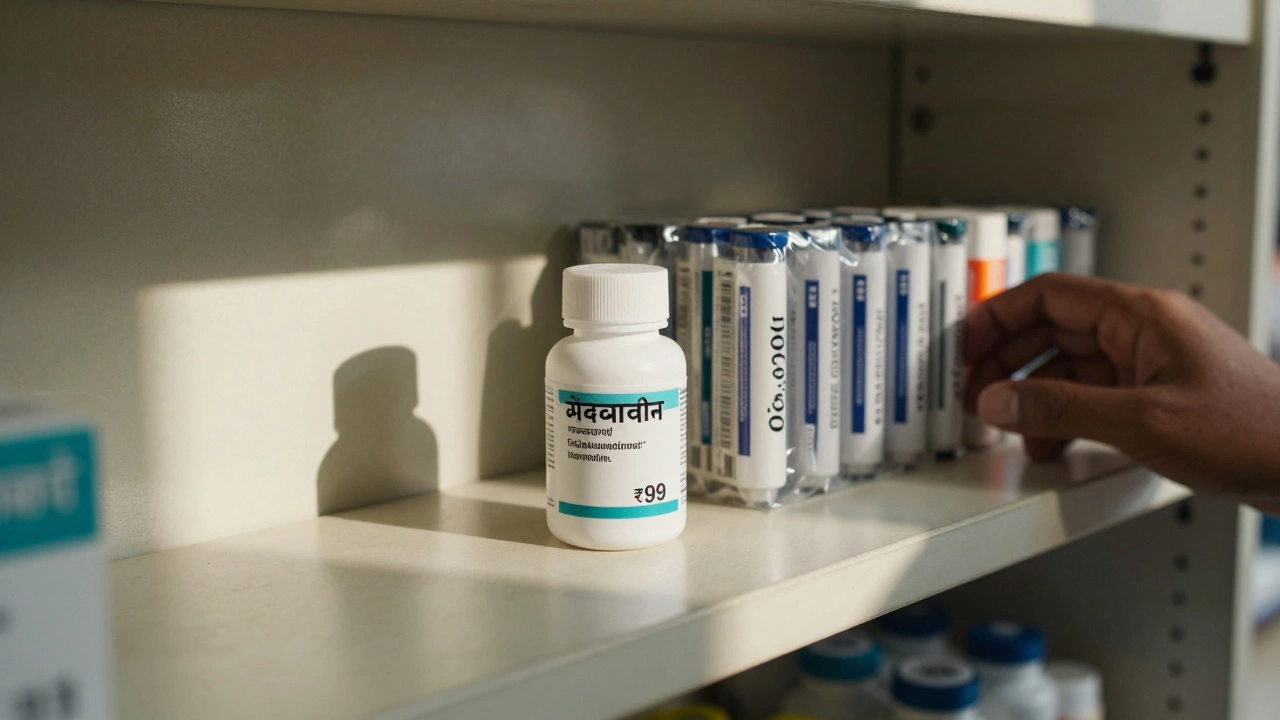
Metformin is one of the cheapest medicines in the world. In India, a month’s supply costs less than ₹100. It’s available over the counter in many places, though it should still be taken under medical supervision.
Ozempic is expensive. In India, a single pen costs between ₹8,000 and ₹12,000. Insurance often doesn’t cover it unless you have diabetes and a BMI over 30. Many people can’t afford it long-term. That’s why metformin remains the default for most patients, especially in low- and middle-income countries.
Can you take them together?
Yes, and many people do. If metformin alone isn’t enough to control blood sugar, doctors often add Ozempic. Studies show this combo works better than either drug alone. It gives better blood sugar control, more weight loss, and lower risk of heart events. It’s a common strategy in diabetes clinics.
But it’s not something to try on your own. Combining them increases the chance of nausea and low blood sugar if you’re also taking other diabetes drugs like sulfonylureas. Always adjust doses under a doctor’s guidance.
Who gets which drug?
There’s no one-size-fits-all answer, but here’s how doctors usually decide:
- If you’re newly diagnosed with type 2 diabetes and overweight, you’ll likely start with metformin.
- If your A1C is very high (above 9%) or you’ve tried metformin and it didn’t work, Ozempic may be added.
- If you need to lose weight and have diabetes, Ozempic is often preferred.
- If cost is a major concern, metformin is the only realistic option for many.
- If you have kidney disease, metformin may be avoided, and Ozempic could be safer.
Some people start with Ozempic if they have heart disease or a high risk of it. Studies show Ozempic reduces heart attacks, strokes, and death from heart disease in people with type 2 diabetes-even more than metformin.

Real-world experiences
In clinics in Bangalore, I’ve seen patients switch from metformin to Ozempic after struggling with weight gain from other diabetes pills. One woman, 52, lost 14 kilograms in six months and stopped needing insulin. Another man, 68, couldn’t tolerate Ozempic’s nausea and went back to metformin with a lower dose. Both are now well-controlled.
It’s not about which drug is "better." It’s about which one fits your body, your goals, and your life.
What about Wegovy?
You might hear about Wegovy. It’s the same drug as Ozempic-semaglutide-but at a higher dose. Wegovy is approved only for weight loss, not diabetes. Ozempic is approved for diabetes and sometimes used off-label for weight loss. Don’t substitute one for the other without a doctor’s direction. The dosing is different, and the risks change.
Final takeaway
Metformin and Ozempic are not the same. One is a simple, affordable pill that’s been trusted for generations. The other is a powerful, expensive injection that changes how your body handles hunger and sugar. Neither is perfect. But together, they can be part of a powerful plan.
If you’re on one and wondering about the other, talk to your doctor. Don’t switch on your own. Don’t assume one is "stronger" or "better." The right choice depends on your blood sugar, weight, budget, side effects, and long-term health goals.
Can I take metformin and Ozempic together?
Yes, many people take both together, especially if metformin alone isn’t controlling their blood sugar well. This combination often leads to better glucose control and more weight loss. But it should only be done under medical supervision because it can increase side effects like nausea and raise the risk of low blood sugar if you’re on other diabetes medications.
Which one causes more weight loss: metformin or Ozempic?
Ozempic causes significantly more weight loss than metformin. On average, people lose 5-10% of their body weight with Ozempic over a year. Metformin usually leads to a modest loss of 2-4 kilograms over six months. Ozempic works by reducing appetite and slowing digestion, while metformin has a mild effect on weight.
Is Ozempic only for people with diabetes?
No. While Ozempic is approved for type 2 diabetes, the same drug at a higher dose is approved as Wegovy for weight loss in people without diabetes. Some doctors prescribe Ozempic off-label for weight management in people with obesity, even if they don’t have diabetes. But this should always be done under medical guidance.
Why is metformin still the first choice for diabetes?
Metformin is the first choice because it’s safe, effective, inexpensive, and has decades of research backing it. It doesn’t cause weight gain or low blood sugar on its own. It also reduces heart disease risk in people with diabetes. For most people, it’s enough to start with, especially in countries where cost matters.
Can I switch from metformin to Ozempic on my own?
No. Switching medications without medical advice can be dangerous. Stopping metformin suddenly or starting Ozempic without proper dosing can cause blood sugar swings, nausea, or other complications. Always consult your doctor before making any changes to your diabetes treatment plan.
Does Ozempic damage the kidneys?
No, Ozempic does not damage the kidneys. In fact, studies show it may protect kidney function in people with diabetes. It reduces protein in the urine and slows the progression of kidney disease. Metformin, on the other hand, may need to be stopped if kidney function drops too low, but Ozempic can often continue safely even with mild kidney issues.
How long does it take for Ozempic to start working?
Ozempic starts lowering blood sugar within the first week, but it takes about 8 to 12 weeks to reach its full effect. Weight loss usually becomes noticeable after 4 to 8 weeks. The dose is typically increased slowly over several months to reduce side effects like nausea.
Is metformin safe for long-term use?
Yes, metformin is safe for long-term use. Millions of people take it for decades without major problems. The most common long-term issue is vitamin B12 deficiency, which can be easily checked with a blood test and corrected with supplements. Regular kidney function tests are also recommended, but most people tolerate it well for life.
If you’re managing diabetes, remember: the goal isn’t to find the "best" drug. It’s to find the right one for you-your body, your budget, and your life.