Prescription Weight Loss Eligibility & Comparison Tool
Step 1: Check Your Eligibility (BMI Calculator)
Enter your height and weight to determine if you meet the FDA criteria for chronic weight management medications.
Your BMI: --
Status: --
Step 2: Compare Top Contenders
See how the leading prescriptions stack up against each other in 2026.
*Based on STEP and SURMOUNT clinical trials data.
Walk into any pharmacy or scroll through social media feeds in 2026, and you will hear one name dominating the conversation. For years, weight loss drugs were niche treatments reserved for severe obesity cases. Today, they are mainstream. But amidst the hype, the question remains: what is actually the number one prescription for weight loss? The answer isn't just about popularity; it is about efficacy, safety, and regulatory approval.
Currently, semaglutide stands at the top of the list. Marketed primarily under the brand names Wegovy (for chronic weight management) and Ozempic (originally for type 2 diabetes), this medication has redefined how we treat excess weight. However, a new competitor, Zepbound, containing tirzepatide, is rapidly closing the gap. Understanding which drug is right for you requires looking beyond marketing claims to clinical data, mechanism of action, and real-world accessibility.
The Science Behind the Surge: How GLP-1 Agonists Work
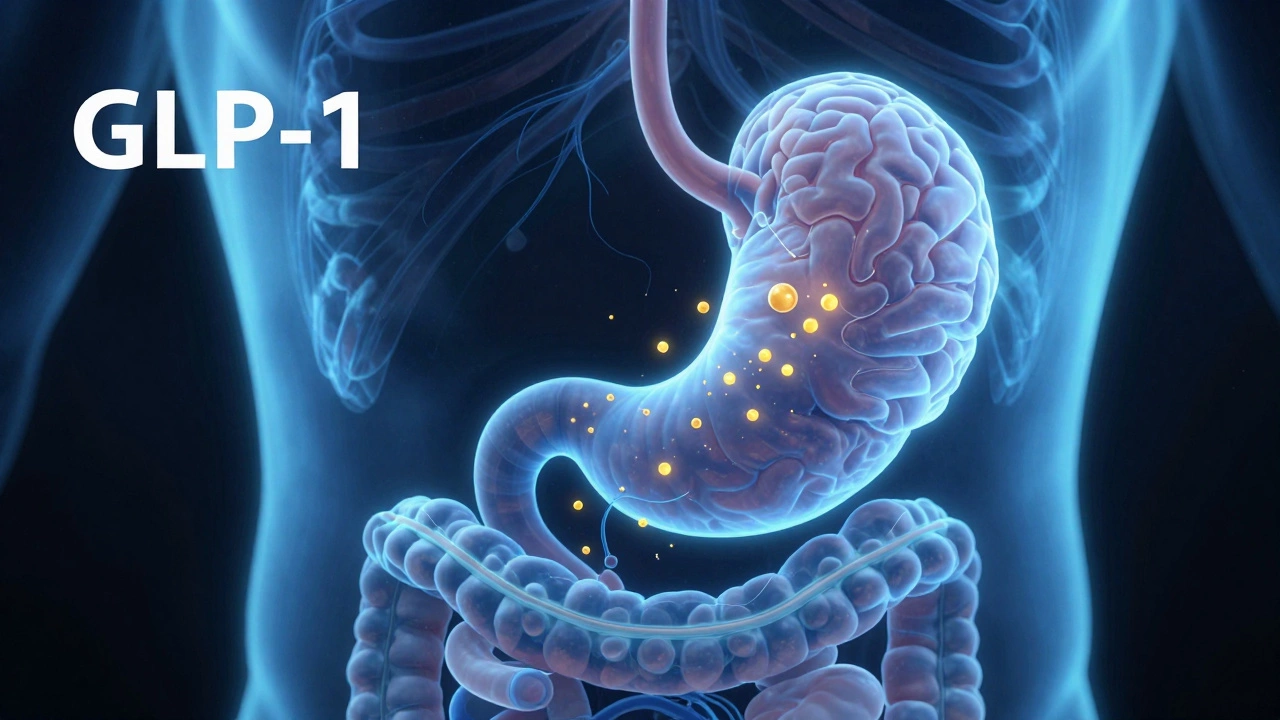
To understand why semaglutide became the gold standard, you need to look at biology, not just body image. Semaglutide belongs to a class of drugs known as GLP-1 receptor agonists. These medications mimic a hormone called glucagon-like peptide-1, which your gut naturally releases after eating.
In a healthy system, GLP-1 signals your brain that you are full. It slows down gastric emptying, meaning food stays in your stomach longer. For many people with obesity, this signaling pathway is blunted or inefficient. Semaglutide amplifies this signal significantly. When you take it, two things happen almost immediately:
- Appetite suppression: You feel less hungry throughout the day. Cravings for high-calorie foods diminish because the reward centers in your brain are less activated by food cues.
- Satiety extension: A small meal feels like a large one. This reduces overall caloric intake without the feeling of starvation that plagues traditional dieting.
This isn't magic; it's pharmacology correcting a physiological imbalance. Unlike older appetite suppressants that worked on stimulants (like amphetamines derived compounds), GLP-1s work on the metabolic regulation system itself. This makes them more sustainable for long-term use, provided the patient can tolerate the side effects.
Wegovy vs. Zepbound: The Current Contenders
While semaglutide (Wegovy) held the crown for several years, 2025 and 2026 have seen the rise of tirzepatide (Zepbound). Tirzepatide is different because it is a dual agonist. It targets both GLP-1 receptors and GIP (glucose-dependent insulinotropic polypeptide) receptors. Think of it as having two keys instead of one to unlock the door to satiety.
| Feature | Wegovy (Semaglutide) | Zepbound (Tirzepatide) | Mounjaro (Tirzepatide) |
|---|---|---|---|
| Active Ingredient | Semaglutide | Tirzepatide | Tirzepatide |
| FDA Indication | Chronic Weight Management | Chronic Weight Management | Type 2 Diabetes (off-label for weight) |
| Average Weight Loss* | ~15% of body weight | ~20-22% of body weight | ~15-20% of body weight |
| Dosing Frequency | Once weekly injection | Once weekly injection | Once weekly injection |
| Primary Side Effects | Nausea, diarrhea, constipation | Nausea, vomiting, abdominal pain | Nausea, vomiting, abdominal pain |
*Data based on STEP and SURMOUNT clinical trials up to 2025.
Zepbound currently shows slightly higher efficacy in head-to-head comparisons in some studies, leading many endocrinologists to consider it the new "number one" for maximum results. However, Wegovy has a longer track record of real-world safety data. Mounjaro is essentially the same drug as Zepbound but branded for diabetes patients; many doctors prescribe it off-label for weight loss due to insurance coverage nuances.
Who Qualifies for Prescription Weight Loss Drugs?
You cannot simply walk into an online pharmacy and buy these drugs over the counter. They require a prescription because they carry risks and are intended for specific medical profiles. In 2026, the FDA guidelines remain strict:
- BMI Criteria: Adults with a Body Mass Index (BMI) of 30 or higher (classified as obese) qualify automatically.
- BMI with Comorbidities: Adults with a BMI of 27 or higher (overweight) who have at least one weight-related condition, such as hypertension, type 2 diabetes, dyslipidemia, or sleep apnea, also qualify.
- Pediatric Use: Semaglutide is now approved for adolescents aged 12-17 with obesity, marking a significant shift in pediatric care.
It is crucial to understand that these drugs are not cosmetic aids for someone wanting to lose five pounds. They are serious medications for managing a chronic disease. Obesity is recognized by the American Medical Association as a complex chronic disease, not a lifestyle choice. Treating it requires medical supervision.
The Reality of Side Effects and Sustainability
No discussion of prescription weight loss is complete without addressing the downsides. The most common complaints involve the gastrointestinal system. Nausea is reported by nearly half of users during the titration phase (when you slowly increase the dose). Other issues include diarrhea, constipation, and in rare cases, pancreatitis or gallbladder problems.
There is also the concern of muscle loss. Rapid weight loss often leads to the loss of lean muscle mass along with fat. To mitigate this, current best practices in 2026 emphasize combining GLP-1 therapy with resistance training and high-protein diets. Without this, patients may end up with "skinny fat" bodies-normal weight but low muscle tone and poor metabolic health.
Another critical point is sustainability. Clinical trials show that when patients stop taking semaglutide or tirzepatide, most regain a significant portion of the lost weight within 12 months. This is because the underlying hormonal drivers of hunger return. Therefore, these prescriptions are viewed as long-term maintenance therapies, similar to medication for high blood pressure, rather than short-term fixes.
Accessing Prescriptions Safely via Online Pharmacies
The demand for these drugs has outstripped supply for years, leading to shortages and a surge in telehealth services. Many patients now consult doctors online to get prescriptions. While convenient, this opens the door to scams.
If you are considering using an online pharmacy, follow these safety checks:
- Verify Licensing: Ensure the pharmacy is licensed in your state or country. In the US, look for VIPPS (Verified Internet Pharmacy Practice Sites) accreditation.
- Prescription Requirement: Legitimate pharmacies will always require a valid prescription from a licensed healthcare provider. If a site sells Wegovy or Zepbound without a consultation, it is likely selling counterfeit or diluted products.
- Price Transparency: Be wary of prices that seem too good to be true. The cost of these medications is high due to manufacturing complexity. Significant discounts may indicate compromised quality.
- Data Privacy: Check their privacy policy. Your medical information must be protected under HIPAA (in the US) or equivalent local laws.
Telehealth platforms that partner with accredited mail-order pharmacies offer a safe middle ground. They provide video consultations with real doctors who review your medical history before prescribing, ensuring the drug is safe for your specific health profile.

Cost and Insurance Coverage in 2026
Financial barriers remain the biggest hurdle. Without insurance, a month's supply of Wegovy or Zepbound can cost between $1,000 and $1,300. However, 2026 has seen positive shifts. More private insurers are covering GLP-1s for weight loss, recognizing the long-term savings from preventing diabetes and heart disease. Medicare coverage remains restricted primarily to diabetic indications, though legislative changes are being debated.
Patient assistance programs from manufacturers like Novo Nordisk (maker of Wegovy/Ozempic) and Eli Lilly (maker of Zepbound/Mounjaro) can reduce costs for eligible individuals. Always ask your pharmacist or doctor about these copay cards.
Lifestyle Changes Remain Non-Negotiable
Finally, remember that a prescription is a tool, not a cure. The most successful patients in clinical trials combined medication with behavioral changes. This includes:
- Dietary Quality: Focusing on whole foods, fiber, and protein to maximize the drug's effects and minimize nausea.
- Physical Activity: Even light movement helps preserve muscle mass and improve cardiovascular health.
- Mental Health Support: Addressing emotional eating triggers through therapy or support groups.
The "number one" prescription is only effective when integrated into a holistic health strategy. It buys you time and biological advantage, but you still have to drive the car.
Is Wegovy or Zepbound better for weight loss?
Clinical data suggests Zepbound (tirzepatide) may lead to slightly greater weight loss (around 20-22%) compared to Wegovy (semaglutide, around 15%). However, individual responses vary. Zepbound may also cause stronger gastrointestinal side effects. Consult your doctor to determine which fits your health profile and tolerance level.
Can I buy prescription weight loss drugs online without a doctor?
No. Legitimate GLP-1 agonists like Wegovy and Zepbound require a prescription. Websites offering these drugs without a medical consultation are likely selling counterfeit products, which can be dangerous. Always use accredited telehealth services or visit a licensed physician.
Will I gain the weight back if I stop taking the medication?
Most studies show that stopping GLP-1 medications leads to significant weight regain within a year. These drugs manage a chronic condition; discontinuing them removes the hormonal support that suppresses appetite. Long-term maintenance usually requires continued use alongside lifestyle changes.
What are the most common side effects of semaglutide?
The most frequent side effects are gastrointestinal, including nausea, vomiting, diarrhea, constipation, and abdominal pain. These often subside as the body adjusts to the medication. Rare but serious risks include pancreatitis, gallbladder disease, and potential thyroid C-cell tumors (seen in rodent studies).
Does insurance cover weight loss prescriptions in 2026?
Coverage varies by plan. Many private insurers now cover GLP-1s for weight management if you meet specific BMI and comorbidity criteria. Medicare typically covers them only for type 2 diabetes treatment. Check with your specific provider and explore manufacturer assistance programs.