Knee Surgery Alternative Finder
Answer three simple questions to get a personalized recommendation from modern orthopedic options.
Recommended Approach
Why this fits your profile:
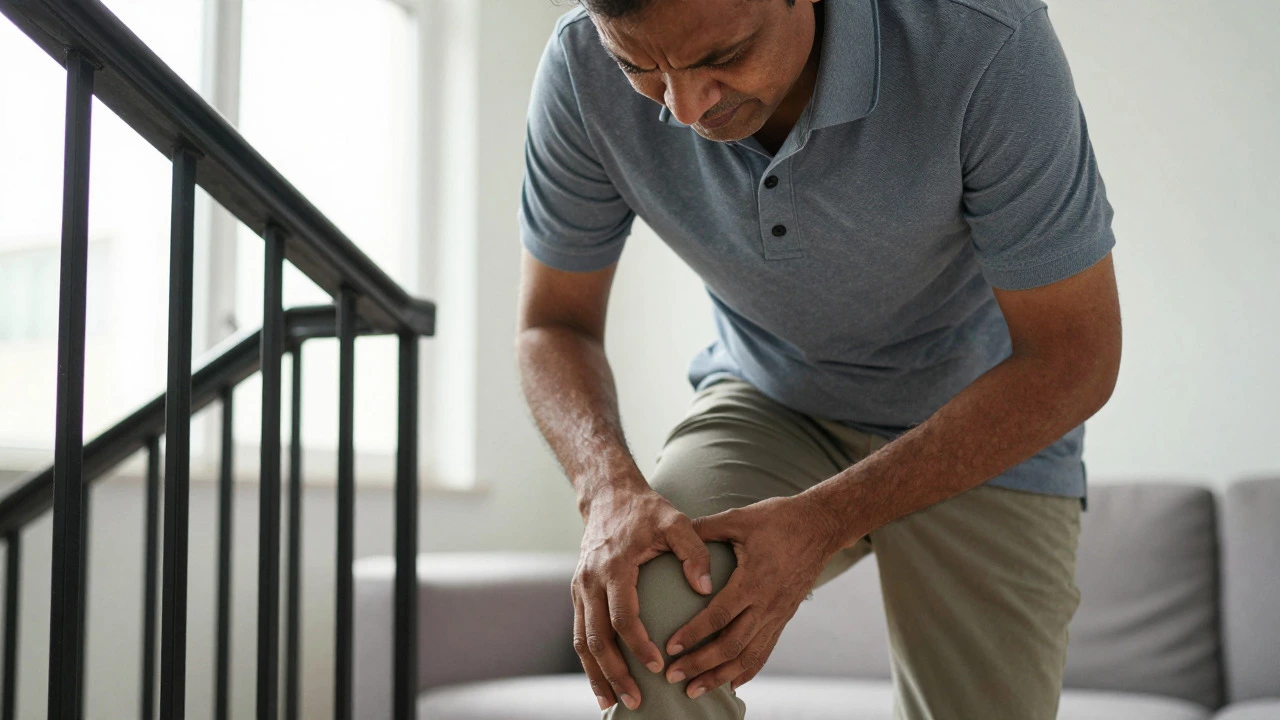
Your doctor just told you that your knee pain won't go away without surgery. The standard advice? Get a total knee replacement. But what if you’re only 55, or maybe even 45? You might feel like you’re too young for a metal joint, yet walking up stairs feels like climbing Mount Everest. This is where the search for the newest alternative to knee replacement becomes critical. In 2026, orthopedic medicine has moved far beyond the one-size-fits-all approach of the past decade. We now have precise, minimally invasive options that preserve your natural anatomy while eliminating pain.
The landscape of knee care has shifted dramatically. Instead of replacing the entire joint, surgeons now focus on repairing specific damaged areas or using advanced biological materials to restore function. For many patients, this means avoiding the long recovery period and potential complications associated with full prosthetics. Let’s break down exactly what these modern alternatives are and who they work for.
Understanding the Modern Shift in Knee Care
Traditionally, Total Knee Arthroplasty (TKA) is a surgical procedure that replaces the entire knee joint with artificial components. It remains the gold standard for end-stage osteoarthritis, but it comes with significant downsides: a 3-6 month recovery time, loss of some natural movement, and the fact that implants have a lifespan of about 15-20 years. If you are under 60, a TKA might need revision surgery later in life, which is more complex and risky.
The new paradigm focuses on "joint preservation." This philosophy asks: Can we fix only what is broken? The answer, increasingly, is yes. By targeting specific zones of damage, surgeons can maintain the natural ligaments and bone structure, leading to faster healing and better long-term outcomes. This shift isn't just about technology; it's about a deeper understanding of how knees fail.
Partial Knee Replacement: The Most Common Alternative
If you have arthritis in only one compartment of your knee-usually the inner (medial) side-a Partial Knee Replacement (PKR) is a procedure that replaces only the damaged part of the knee joint, preserving the healthy parts. Unlike TKA, PKR doesn't cut through the front of the knee or remove all the bone. It’s less invasive, meaning less blood loss and quicker return to daily activities.
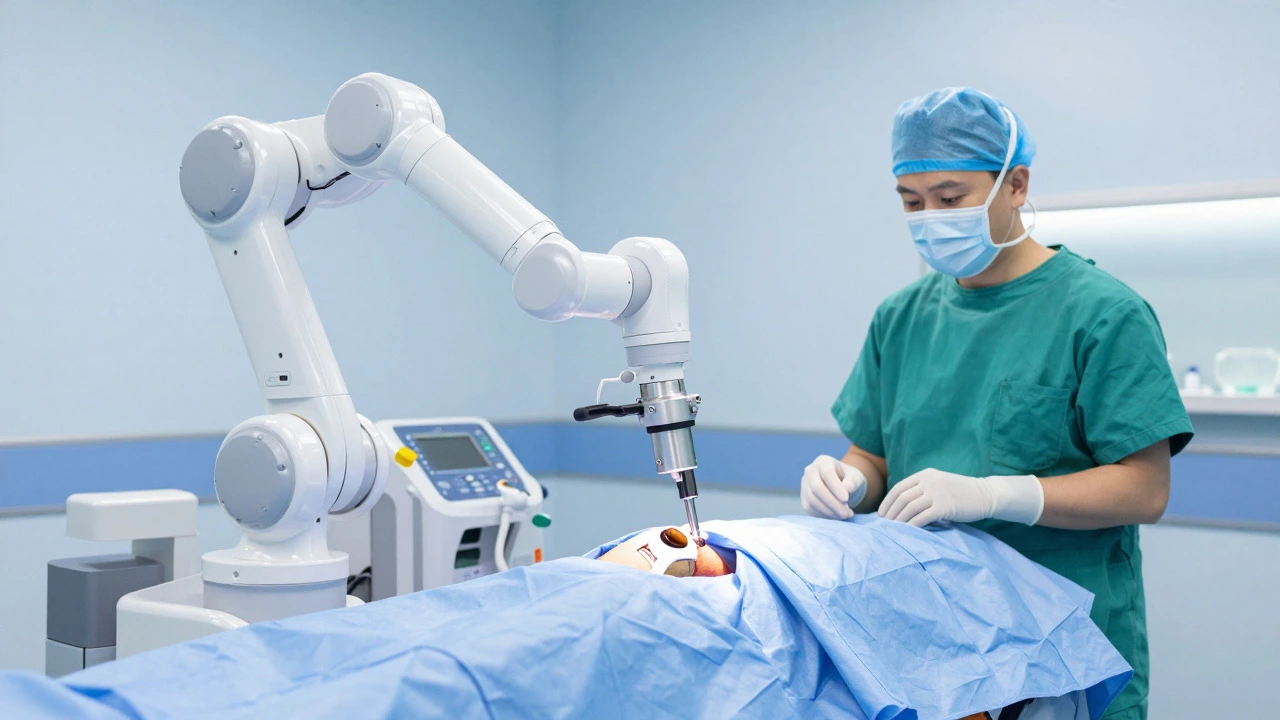
In 2026, robotic-assisted PKR has become widespread. Robots help surgeons map the exact angle of your leg and implant the prosthesis with millimeter precision. Studies show that when done correctly, PKR lasts as long as TKA for the right candidates. However, it’s not for everyone. Your ligaments must be intact, and the damage must be confined to one area. If you have severe bowing legs or torn ligaments, PKR might not be the best fit.
| Feature | Total Knee Arthroplasty (TKA) | Partial Knee Replacement (PKR) |
|---|---|---|
| Scope of Surgery | Replaces entire joint | Replaces one compartment only |
| Recovery Time | 3-6 months for full activity | 4-8 weeks for basic mobility |
| Ideal Candidate Age | Usually 65+ | 45-70 with localized damage |
| Ligament Preservation | No (ligaments often bypassed) | Yes (natural ligaments remain) |
| Revision Risk | Higher if patient is young | Lower initially, but may convert to TKA later |
Cartilage Restoration Techniques: Fixing the Surface
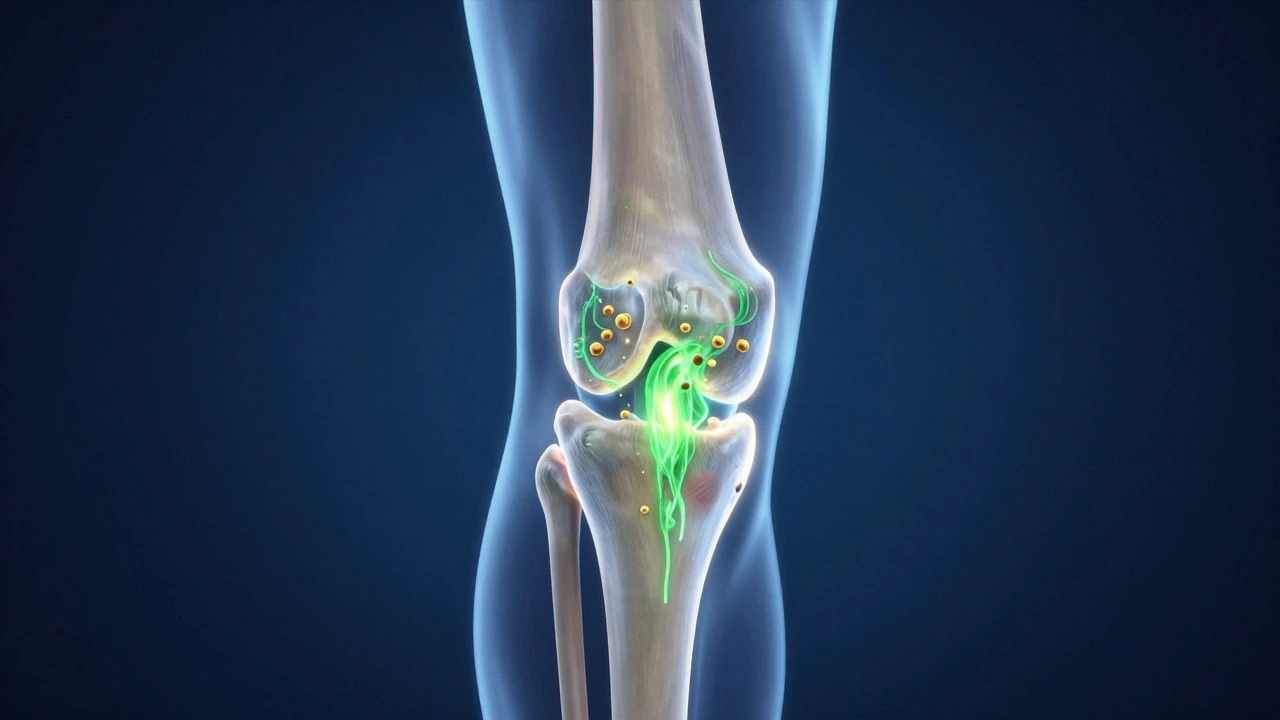
Not all knee problems involve bone-on-bone grinding. Sometimes, the problem is a hole or defect in the cartilage, often caused by an old injury. In these cases, you don’t need a metal implant at all. Instead, surgeons use Autologous Chondrocyte Implantation (ACI) is a two-step procedure where a patient's own cartilage cells are harvested, grown in a lab, and implanted back into the defect.
This process takes about three months. First, a small biopsy of healthy cartilage is taken. These cells are sent to a lab and multiplied. Then, in a second surgery, the new cell layer is placed over the defect. It sounds complex, but the results can be remarkable for younger, active patients with isolated defects. Another option is Osteochondral Autograft Transfer (OAT), which involves moving a plug of healthy bone and cartilage from a non-weight-bearing area of the knee to the damaged site. This is faster than ACI because it’s a single-stage procedure, but it works best for smaller defects.
Biological Alternatives: Stem Cells and PRP
For mild to moderate arthritis, some patients look toward regenerative medicine. Platelet-Rich Plasma (PRP) injections are a therapy that uses concentrated platelets from the patient's own blood to stimulate healing and reduce inflammation. While not a cure for severe arthritis, PRP can provide significant pain relief and slow down disease progression in early stages. Many patients report being able to delay surgery for several years after a series of PRP injections.
Stem cell therapy is another emerging field. Mesenchymal stem cells, usually derived from bone marrow or fat, are injected into the knee to promote tissue repair. The evidence here is still evolving, but anecdotal reports and recent clinical trials suggest promising results for pain management. It’s important to note that these treatments are adjunctive-they work best when combined with physical therapy and weight management, not as standalone cures for advanced damage.
How to Choose the Right Option for You
Choosing between these alternatives depends on three main factors: the extent of your damage, your age, and your activity level.
- Assess the Damage: An MRI is essential. If the cartilage is gone in multiple compartments, TKA is likely the only durable solution. If it’s limited to one side, consider PKR. If there’s a focal defect, look at cartilage restoration.
- Consider Your Lifestyle: Are you a weekend warrior or someone who sits most of the day? High-impact athletes may benefit more from joint-preserving surgeries like OAT or ACI to maintain peak performance. Sedentary individuals might find relief with PRP or a simple PKR.
- Evaluate Long-Term Goals: If you’re under 55, preserving native bone is crucial. A TKA now might require a revision in 10-15 years. A PKR or cartilage repair buys you time and preserves options for the future.
Consult with an orthopedic specialist who specializes in joint preservation. Ask them specifically about their experience with robotic-assisted PKR and cartilage techniques. Not all surgeons perform these procedures regularly, so expertise matters as much as the technology.
Frequently Asked Questions
Is a partial knee replacement better than a total knee replacement?
It depends on your specific condition. If your arthritis is confined to one compartment and your ligaments are healthy, a partial knee replacement offers a faster recovery and preserves more of your natural knee. However, if you have multi-compartment arthritis, a total knee replacement is the more reliable long-term solution.
Can I play sports after a partial knee replacement?
Yes, many patients return to low-impact sports like swimming, cycling, and golf within 3-6 months. High-impact activities like running or tennis may be possible but depend on individual healing and surgeon recommendations. Robotic-assisted PKR has shown good functional outcomes for active patients.
How long does cartilage restoration take to heal?
Healing varies by technique. Osteochondral autograft transfer (OAT) typically requires 4-6 weeks of protected weight-bearing. Autologous chondrocyte implantation (ACI) involves a longer timeline, with full integration taking 6-12 months. Physical therapy is critical throughout this period to ensure proper range of motion.
Does PRP injection work for severe arthritis?
PRP is most effective for mild to moderate arthritis. In severe cases where bone rubs directly against bone, PRP provides temporary relief but does not reverse the structural damage. It is best viewed as a tool to delay surgery rather than a permanent fix for end-stage disease.
What is the success rate of robotic-assisted partial knee replacement?
Recent studies indicate high satisfaction rates, often exceeding 90% for properly selected patients. The precision of robotics reduces the risk of malalignment, which is a common cause of early failure in traditional manual PKR. However, patient selection remains the most critical factor for success.