
Orthopedic Recovery Difficulty Estimator
Total Hip Replacement
Balance FocusChallenges with gait retraining and hip precautions.
Total Knee Replacement
Pain FocusHigh initial pain, swelling, and stiffness management.
Spinal Fusion
Longest RoadCore stability issues, severe spasms, long timeline.
Your Personalized Recovery Outlook
Difficulty Score: --
Select options above to generate score.
Estimated Timeline:
- Initial Mobility: --
- Functional Independence: --
- Full Recovery: --
Key Challenges & Risks
Imagine waking up after a major surgery, expecting relief from chronic pain, only to realize that the real work is just beginning. For many patients, the post-operative phase of orthopedic surgery is far more grueling than the operation itself. While some procedures offer relatively quick returns to daily life, others demand months-or even years-of strict rehabilitation, lifestyle adjustments, and patience.
The question isn't just about which surgery involves the most incisions or the longest hospital stay. It’s about which procedure fundamentally alters your body mechanics in a way that requires the most significant physical and mental effort to rebuild. Based on clinical outcomes, patient reports, and rehabilitation complexity, three procedures consistently rise to the top as the most challenging: Total Hip Replacement, Spinal Fusion, and Total Knee Replacement. Each presents unique hurdles, but they share a common thread: success depends entirely on how well you adhere to a rigorous recovery protocol.
Why Recovery Varies So Drastically
Before diving into specific surgeries, it helps to understand why recovery timelines differ so wildly. Orthopedic surgery isn't one-size-fits-all. The difficulty of recovery hinges on several factors:
- Tissue Damage: Procedures that involve cutting through muscle, ligaments, or bone (like spinal fusion) take longer to heal than those that primarily replace joints with minimal soft tissue disruption.
- Weight-Bearing Restrictions: If you can’t put weight on the affected limb for weeks, muscle atrophy sets in quickly, making rehabilitation harder.
- Pain Management: Some surgeries, particularly those involving nerves or the spine, result in acute pain that complicates early movement.
- Age and Health: Older adults or those with conditions like diabetes or osteoporosis often face slower healing rates.
However, even among healthy individuals, certain procedures are objectively tougher. Let’s break down the contenders for the title of “hardest to recover from.”
Total Hip Replacement: The Balance Challenge
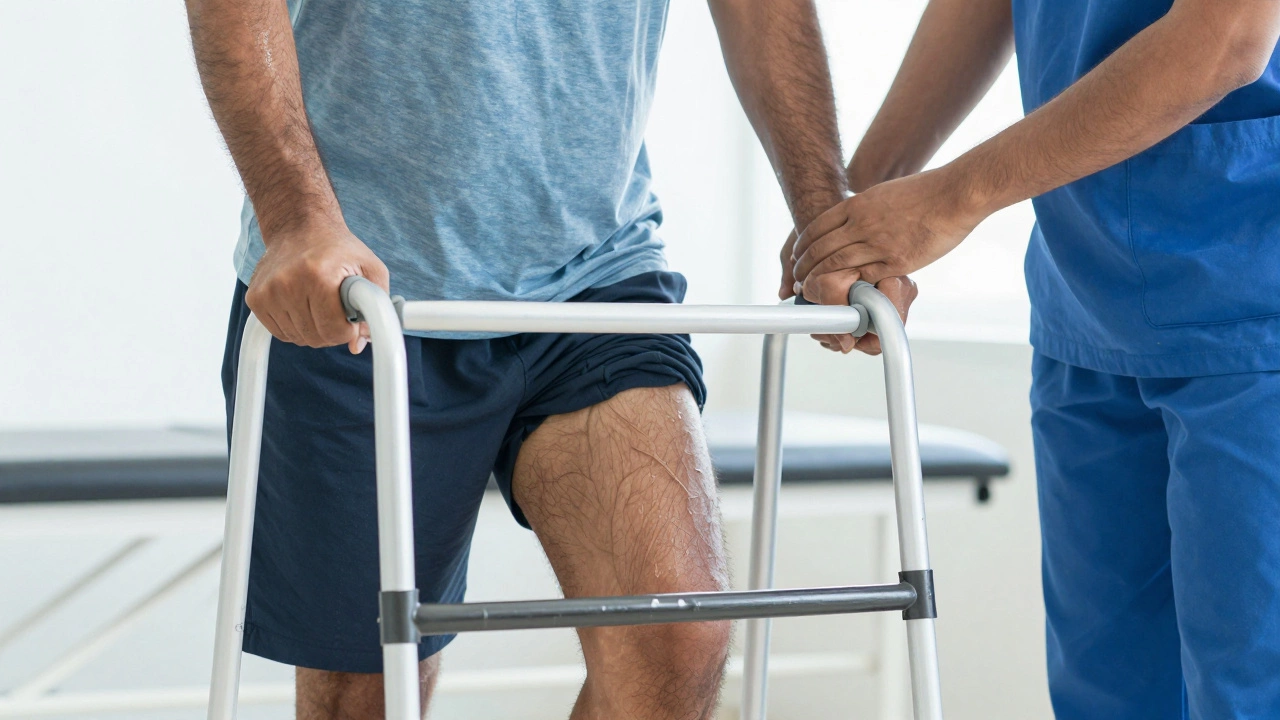
Total Hip Replacement is a surgical procedure where the damaged hip joint is replaced with artificial components made of metal, plastic, or ceramic. While modern techniques have reduced hospital stays to one or two days, the recovery process remains deceptively difficult.
The primary challenge here is balance and gait retraining. Your hip is central to your body’s stability. After surgery, your muscles around the hip abductors (gluteus medius) are weakened, leading to a limp if not properly rehabilitated. Patients often struggle with simple tasks like putting on socks or bending over during the first six weeks.
| Phase | Duration | Key Challenges |
|---|---|---|
| Immediate Post-Op | Days 1-3 | Pain management, learning to walk with a walker/crutches |
| Early Rehabilitation | Weeks 2-6 | Avoiding hip precautions (no bending past 90 degrees), building strength |
| Intermediate Phase | Months 2-3 | Gait normalization, returning to light activities |
| Full Recovery | Months 4-6 | Resuming high-impact activities, full strength restoration |
The "hip precautions" are a major source of frustration. You must avoid crossing your legs, bending too far forward, or twisting internally. Violating these rules risks dislocating the new joint. This constant vigilance takes a mental toll, especially for independent individuals who value their mobility.
Spinal Fusion: The Longest Road Back
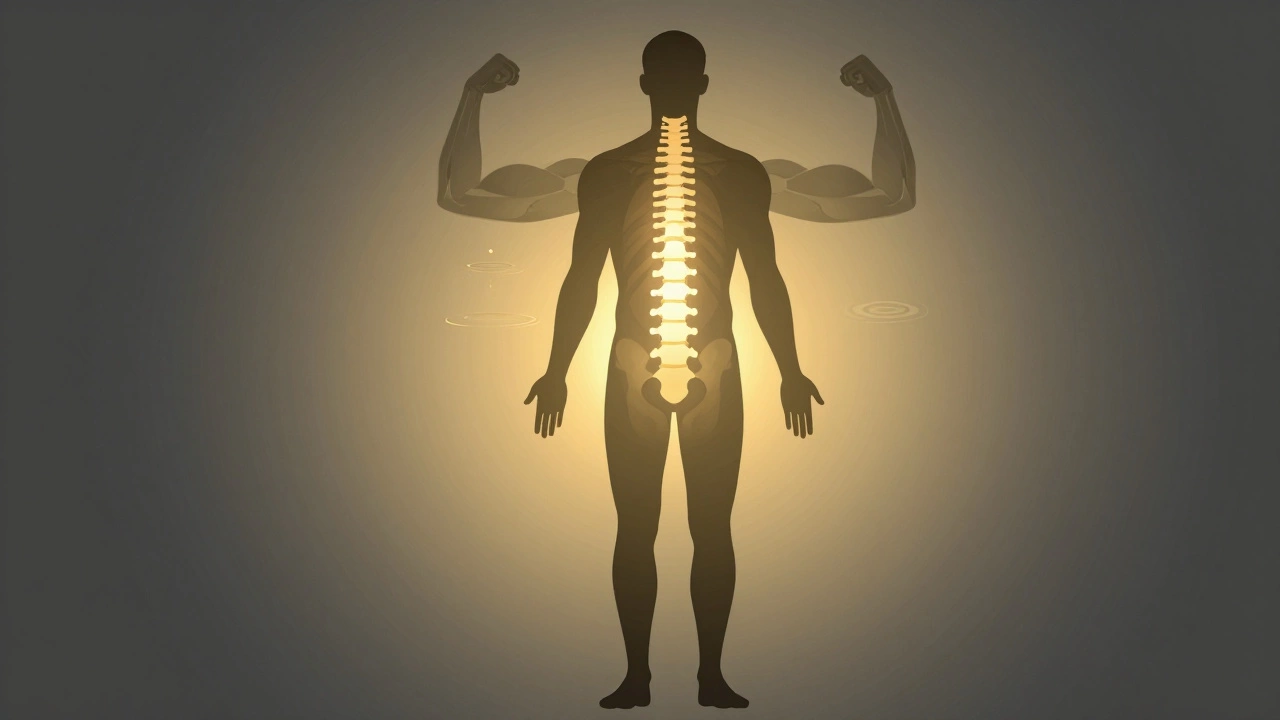
If Total Hip Replacement is tough, Spinal Fusion is a complex surgery where two or more vertebrae are joined together using bone grafts and hardware to eliminate motion and reduce pain. Many surgeons and patients consider this the hardest orthopedic recovery due to its impact on core stability and nerve function.
Unlike joint replacements, spinal fusion doesn’t restore movement-it eliminates it. By fusing vertebrae, you’re altering the biomechanics of your entire spine. The adjacent segments above and below the fusion now bear extra stress, which can lead to long-term complications if not managed correctly.
The immediate post-op period is characterized by severe muscle spasms and limited mobility. Patients are often restricted from bending, lifting, or twisting (the "BLT" rule) for up to three months. Physical therapy focuses heavily on core strengthening, but progress is slow because every movement feels risky.
Moreover, nerve pain (sciatica or radiculopathy) may persist or worsen initially before improving. This unpredictable pain trajectory makes psychological resilience crucial. Studies show that up to 30% of spinal fusion patients experience dissatisfaction with outcomes due to prolonged pain or stiffness, highlighting the emotional burden of this recovery.
Total Knee Replacement: The Pain Barrier
Total Knee Replacement is a surgical procedure replacing the worn-out surfaces of the knee joint with artificial implants to relieve arthritis pain and restore function. While technically similar to hip replacement, knee recovery is often cited as more painful in the initial stages.
The knee is a hinge joint that bears significant weight. After surgery, swelling and stiffness are intense. Getting out of bed without assistance is nearly impossible for the first few days. Unlike the hip, where you can sometimes shift weight subtly, the knee demands precise alignment during walking.
A critical component of knee recovery is achieving full extension (straightening the leg). If scar tissue forms (arthrofibrosis), it can permanently limit range of motion. Aggressive physical therapy is required within the first 48 hours to prevent this, which can be excruciating. Patients describe this phase as "breaking the ice"-painful but necessary.
Recovery milestones include:
- Week 1: Walking with a walker, managing swelling with elevation and ice.
- Weeks 2-6: Transitioning to a cane, focusing on bending (flexion) to 90+ degrees.
- Months 2-3: Returning to driving, light household chores.
- Months 4-6: Resuming low-impact exercises like swimming or cycling.
The mental aspect is also significant. Knees are highly visible, and limping can affect self-esteem. Additionally, weather changes often trigger knee pain, reminding patients of their vulnerability.
Other Notable Contenders
While hip, knee, and spine dominate the conversation, other procedures deserve mention:
- Rotator Cuff Repair: Shoulders are hard to immobilize. Sleeping becomes a nightmare, and daily tasks like brushing teeth require creative workarounds. Recovery takes 4-6 months for full strength.
- Ankle Arthrodesis: Fusing the ankle joint eliminates pain but also flexibility. Walking feels unnatural, and compensatory movements can strain the hips and back.
- Open Reduction Internal Fixation (ORIF): For complex fractures, ORIF involves extensive hardware placement. Healing depends on bone quality, and non-union (failure to heal) is a risk.
Factors That Make Recovery Harder
Even within the same procedure, individual experiences vary. Here’s what amplifies the difficulty:
- Pre-existing Conditions: Diabetes slows wound healing. Obesity increases stress on joints. Smoking impairs blood flow, delaying bone integration.
- Mental Health: Anxiety and depression correlate with poorer outcomes. Fear of movement (kinesiophobia) leads to stiffness and weakness.
- Social Support: Living alone makes post-op care challenging. Help with meals, transportation, and hygiene is invaluable.
- Adherence to Therapy: Skipping physical therapy sessions or ignoring home exercises prolongs recovery significantly.
How to Prepare for the Hardest Recoveries
Preparation is half the battle. Here’s how to set yourself up for success:
- Pre-habilitation: Strengthen muscles around the target area before surgery. Better pre-op fitness correlates with faster post-op recovery.
- Home Modifications: Install grab bars, remove tripping hazards, and set up a recovery station on the main floor to avoid stairs.
- Pain Management Plan: Discuss multimodal pain control with your surgeon (combining medications, ice, and nerve blocks) to minimize opioid use.
- Mental Preparation: Join support groups or read patient stories. Understanding the ups and downs reduces anxiety.
When to Seek Help
Recovery isn’t linear. There will be good days and bad days. However, certain red flags warrant immediate medical attention:
- Signs of infection (fever, redness, pus at incision site).
- Sudden increase in pain or swelling.
- Numbness or tingling that worsens.
- Inability to move the limb despite therapy.
Don’t hesitate to contact your healthcare provider. Early intervention can prevent complications.
Which orthopedic surgery has the longest recovery time?
Spinal fusion typically has the longest recovery time, often taking 6-12 months for full bone healing and functional improvement. This is due to the complexity of the procedure and the need for extensive core rehabilitation.
Is knee or hip replacement recovery more painful?
Knee replacement recovery is generally considered more painful in the initial weeks due to higher swelling and the need for aggressive range-of-motion exercises. Hip replacement pain tends to be more manageable but requires stricter adherence to movement restrictions.
Can I speed up my orthopedic surgery recovery?
Yes, by engaging in pre-habilitation before surgery, strictly following physical therapy protocols, maintaining a healthy diet rich in protein and vitamin D, and avoiding smoking or excessive alcohol consumption.
What are the biggest risks during orthopedic recovery?
Common risks include blood clots (DVT), infections, nerve damage, and implant failure. Proper medication, movement, and hygiene practices significantly reduce these risks.
How long does it take to walk normally after hip replacement?
Most patients can walk with a walker within a day or two of surgery. Normal gait without assistive devices usually returns within 4-6 weeks, though full strength and endurance may take 3-6 months.