Hard-to-Treat Cancer Comparison Tool
Select up to three cancer types below to compare their key attributes, including 5-year survival rates and primary treatment hurdles.
Pancreatic
~13%Glioblastoma
~7%Mesothelioma
~10%Cholangio-carcinoma
~7%Comparison Results
Please select at least one cancer type above to view detailed comparisons.
Ask ten oncologists which cancer is the hardest to beat, and you might get five different answers. It’s not just about the name on the diagnosis paper; it’s about biology, timing, and location. While headlines often scream about rare mutations or new drug trials, the reality for patients facing pancreatic cancer, Glioblastoma, or advanced Mesothelioma is starkly different from those fighting early-stage breast cancer.
If you’re searching for this topic, you’re likely looking for more than a list. You want to know why certain cancers resist treatment so stubbornly. Is it because they hide until it’s too late? Do they have armor that drugs can’t penetrate? Or do they simply grow faster than our medicine can keep up with? This article cuts through the medical jargon to explain exactly what makes these specific cancers so difficult to treat, using current data and real-world clinical context.
Why "Hardest" Is a Moving Target
Before we name names, we need to define what "hard to treat" actually means. In medical terms, difficulty isn't just about how painful the treatment is. It’s usually measured by the 5-year relative survival rate-the percentage of people who live at least five years after diagnosis compared to the general population. If that number is low, say under 10%, the cancer is considered exceptionally difficult to manage.
Three main factors drive this difficulty:
- Anatomical Location: Some organs are hard to reach surgically without causing massive damage.
- Biology and Behavior: Certain tumors mutate rapidly, develop resistance to chemotherapy, or spread (metastasize) before symptoms even appear.
- The Blood-Brain Barrier: For brain tumors, this natural defense system blocks most effective drugs from entering the tumor site.
Understanding these mechanisms helps explain why two cancers diagnosed in the same year can have wildly different outcomes. It’s not bad luck; it’s biology.
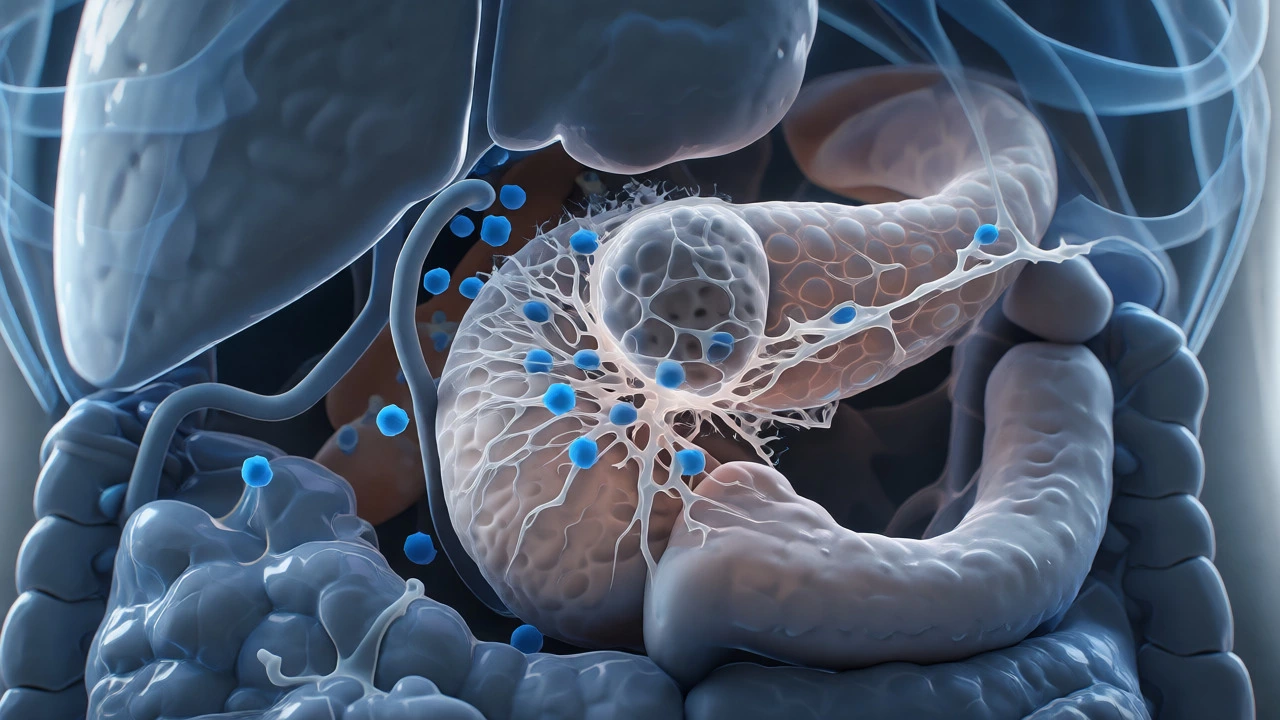
Pancreatic Cancer: The Silent Killer
When doctors talk about the toughest battles, Pancreatic Ductal Adenocarcinoma (PDAC) is almost always at the top of the list. With a 5-year survival rate hovering around 13% for all stages combined, it remains one of the deadliest forms of cancer.
Why is it so brutal? First, the pancreas sits deep in the abdomen, tucked behind other organs. Tumors here don’t cause pain or obvious symptoms until they’ve grown large enough to press on nerves or block bile ducts. By then, the cancer has often spread to the liver or lungs. Second, PDAC tumors create a dense scar tissue called desmoplasia. Think of it as a concrete wall around the tumor. Chemotherapy drugs struggle to penetrate this barrier, meaning standard treatments often fail to reach the cancer cells in high enough concentrations to kill them.
Surgery is the only potential cure, but only about 15-20% of patients are eligible when first diagnosed. Even then, recurrence rates are high. Newer approaches like neoadjuvant therapy (chemo before surgery) are improving odds slightly, but the fundamental challenge remains: catching it early enough and penetrating its defenses.
Glioblastoma: Fighting Inside the Fortress
If pancreatic cancer hides behind scar tissue, Glioblastoma Multiforme (GBM) hides behind the body’s own security system. This is the most common and aggressive primary malignant brain tumor in adults. Its median survival is roughly 14 to 16 months with standard treatment.
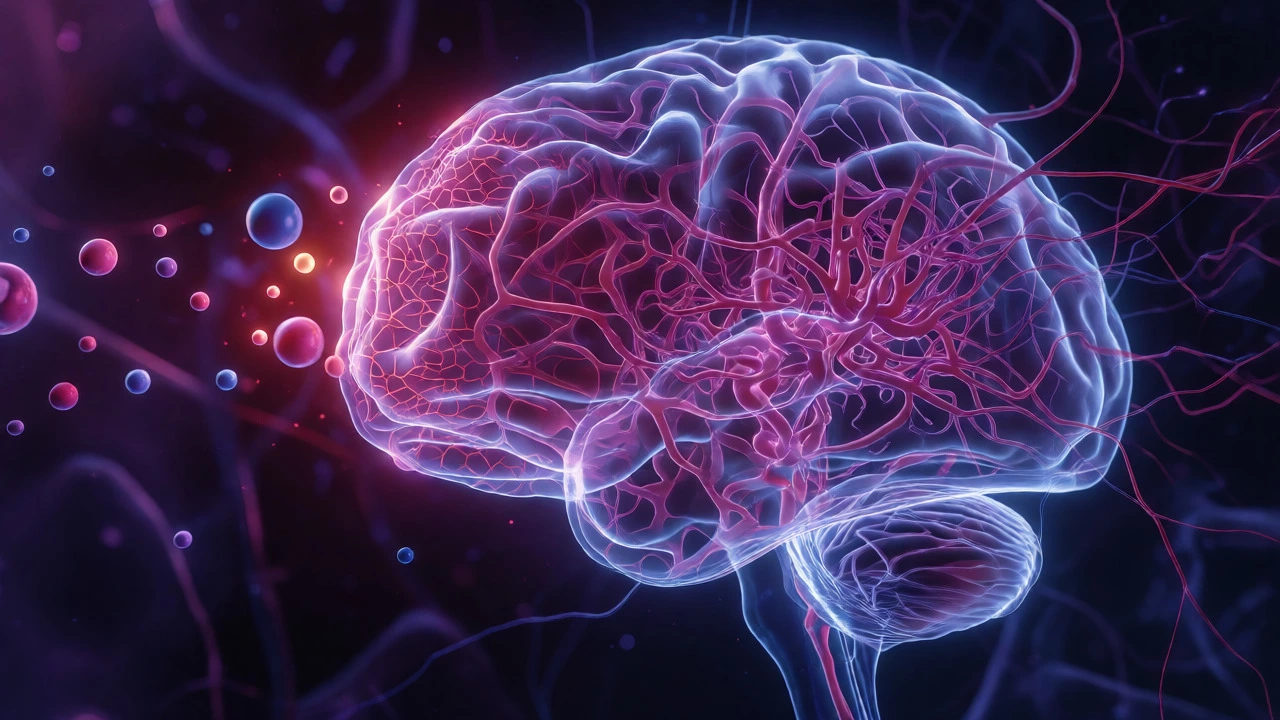
The culprit here is the Blood-Brain Barrier (BBB). This semi-permeable border of endothelial cells prevents toxins and pathogens from entering the brain. Unfortunately, it also blocks over 98% of small-molecule drugs and nearly 100% of large biologics used in cancer therapy.
Surgeons face another nightmare: GBM doesn’t have clear edges. It sends microscopic tentacles into healthy brain tissue. Remove the visible tumor, and you leave behind invisible cells that will regrow. Radiation helps slow them down, but resistance develops quickly. Researchers are currently testing techniques like focused ultrasound to temporarily open the BBB, allowing drugs to slip through, but this is still largely experimental for widespread use.
Mesothelioma: The Slow Burn That Turns Deadly
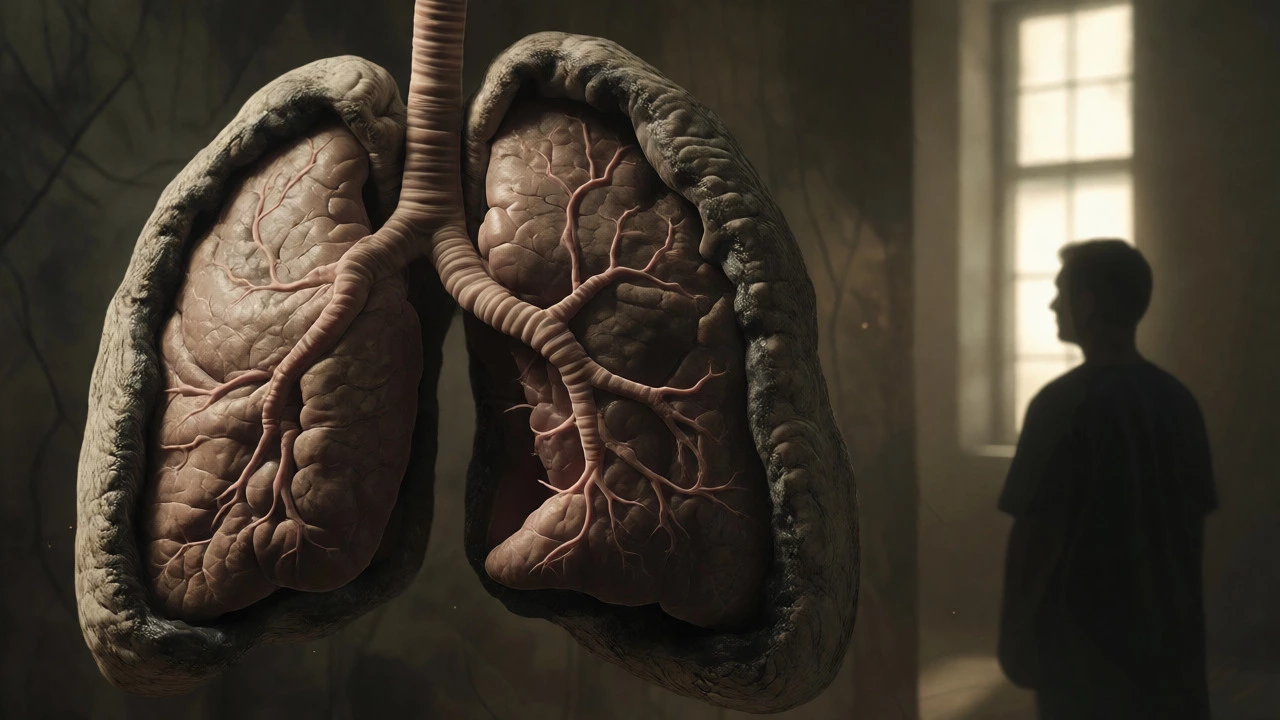
Often linked to asbestos exposure, Pleural Mesothelioma affects the lining of the lungs. It’s notoriously difficult because of its latency period-symptoms may not appear for 20 to 50 years after exposure. By the time someone coughs or feels chest pain, the disease is usually stage III or IV.
Treatment is complicated by the fact that the tumor encases the lung rather than forming a single lump. Removing it requires an extrapleural pneumonectomy, a massive surgery that removes the lung, part of the diaphragm, and the heart lining. Not every patient can survive such an operation. Furthermore, mesothelioma cells are highly resistant to many standard chemotherapies. Immunotherapy has shown some promise recently, particularly with checkpoint inhibitors like nivolumab and ipilimumab, offering hope where there was previously very little.
Comparing the Heavyweights
To make sense of the differences, let’s look at a side-by-side comparison of three of the most challenging cancers. Note that statistics vary by country and individual health status, but these figures reflect global averages from major cancer registries.
| Cancer Type | Primary Challenge | Approx. 5-Year Survival Rate | Common Treatment Hurdle |
|---|---|---|---|
| Pancreatic Cancer | Late detection & dense stroma | ~13% | Drugs cannot penetrate tumor scar tissue |
| Glioblastoma | Blood-brain barrier & infiltrative growth | ~7% | Most drugs blocked from reaching brain |
| Mesothelioma | Long latency & diffuse spread | ~10% | Surgery is extreme; chemo resistance |
| Cholangiocarcinoma | Location near major blood vessels | ~7% | Hard to resect completely without damage |
It’s Not Just About the Name: Stage Matters Most
Here is a crucial nuance often missed in articles like this: a late-stage melanoma is harder to treat than an early-stage pancreatic cancer. Staging defines the extent of the disease. Stage I means localized; Stage IV means metastatic.
For instance, Melanoma was once feared for its ability to spread quickly. Today, thanks to immunotherapy, even advanced melanoma has a much better outlook than it did ten years ago. Conversely, if Colorectal Cancer is caught at Stage IV with liver metastases, it becomes significantly harder to treat than if it were caught at Stage II.
So, while pancreatic cancer is inherently aggressive, a patient with a small, resectable tumor has a vastly different journey than someone with widespread metastasis. Always ask your oncologist about your specific stage and molecular markers. Two people with the same "hard" cancer label can have very different prognoses based on genetic profiling.
Emerging Hope: What’s Changing?
Don’t lose heart. The landscape is shifting. Precision medicine is changing how we approach these tough cases. Instead of throwing generic chemo at a tumor, doctors now sequence the tumor’s DNA to find specific mutations.
For example, in pancreatic cancer, about 5-10% of patients have a BRCA mutation. These patients respond well to PARP inhibitors, a class of targeted drugs. Similarly, for Glioblastoma, Tumor Treating Fields (TTFields)-a wearable device that disrupts cell division-are becoming a standard add-on to radiation and chemo.
Clinical trials are also exploring CAR-T cell therapy for solid tumors, which has been a game-changer for blood cancers. While still tricky for solid tumors like pancreatic or brain cancer, early results show potential. If you are dealing with one of these diagnoses, asking about eligibility for clinical trials is one of the smartest moves you can make.
Practical Steps for Patients and Families
If you or a loved one is facing a diagnosis of a difficult cancer, here is a checklist to navigate the chaos:
- Get a Second Opinion: Especially for complex surgeries or treatment plans. Go to a high-volume center that specializes in that specific cancer type.
- Ask About Biomarkers: Request comprehensive genomic profiling of the tumor. Knowing the specific mutations opens doors to targeted therapies.
- Inquire About Clinical Trials: Standard care is important, but trials offer access to cutting-edge treatments before they are widely available.
- Focus on Nutrition and Strength: Aggressive treatments take a toll. Maintaining muscle mass and proper nutrition improves tolerance to chemo and surgery.
- Build a Support Team: Include palliative care specialists early. They aren’t just for end-of-life; they help manage symptoms and improve quality of life during active treatment.
Which cancer has the lowest survival rate globally?
Pancreatic cancer consistently ranks among the lowest, with a 5-year survival rate of approximately 13%. However, certain subtypes of Glioblastoma and Cholangiocarcinoma can have similarly poor or worse outcomes depending on the stage at diagnosis and geographic region.
Is Glioblastoma always fatal?
While Glioblastoma is incurable for the vast majority of patients, it is not immediately fatal for everyone. Median survival is around 14-16 months with standard treatment, but some patients live several years, especially younger patients or those with favorable genetic markers like MGMT promoter methylation.
Can pancreatic cancer be cured?
Yes, but rarely. Surgery is the only potential cure, and it is possible only if the cancer hasn't spread beyond the pancreas. Roughly 15-20% of patients are candidates for surgery at diagnosis. Even after successful surgery, adjuvant chemotherapy is required to reduce the risk of recurrence.
Why is Mesothelioma so hard to diagnose early?
Mesothelioma has a long latency period, often taking 20 to 50 years after asbestos exposure to develop symptoms. Early symptoms like shortness of breath or mild chest pain are easily mistaken for common conditions like pneumonia or COPD, leading to delayed diagnosis.
Does immunotherapy work for all hard-to-treat cancers?
No. Immunotherapy works best in cancers with high mutational burdens or specific biomarkers like PD-L1 expression. It has shown great success in melanoma and lung cancer, and recent approvals for Mesothelioma. However, it has historically struggled with "cold" tumors like pancreatic cancer, though combination therapies are trying to change this.