Weight Loss Medication Estimator
Estimated Outcome
Est. Weight Loss
New Weight
Duration
Comparison Breakdown
You’ve seen the headlines. You’ve heard the whispers at the gym. Everyone is talking about a magic bullet for shedding pounds without the grind of traditional dieting. But when you ask, what is the #1 weight loss pill, the answer isn’t as simple as pointing to one brand name on a pharmacy shelf.
In 2026, the landscape of medical weight management has shifted dramatically. We are no longer discussing over-the-counter caffeine pills or vague herbal supplements. We are talking about prescription medications that fundamentally change how your body processes hunger and energy. If you are looking for the most effective option currently available, the spotlight falls squarely on two powerful drugs: Semaglutide (known by brand names like Ozempic and Wegovy) and Tirzepatide (brand names Mounjaro and Zepbound).
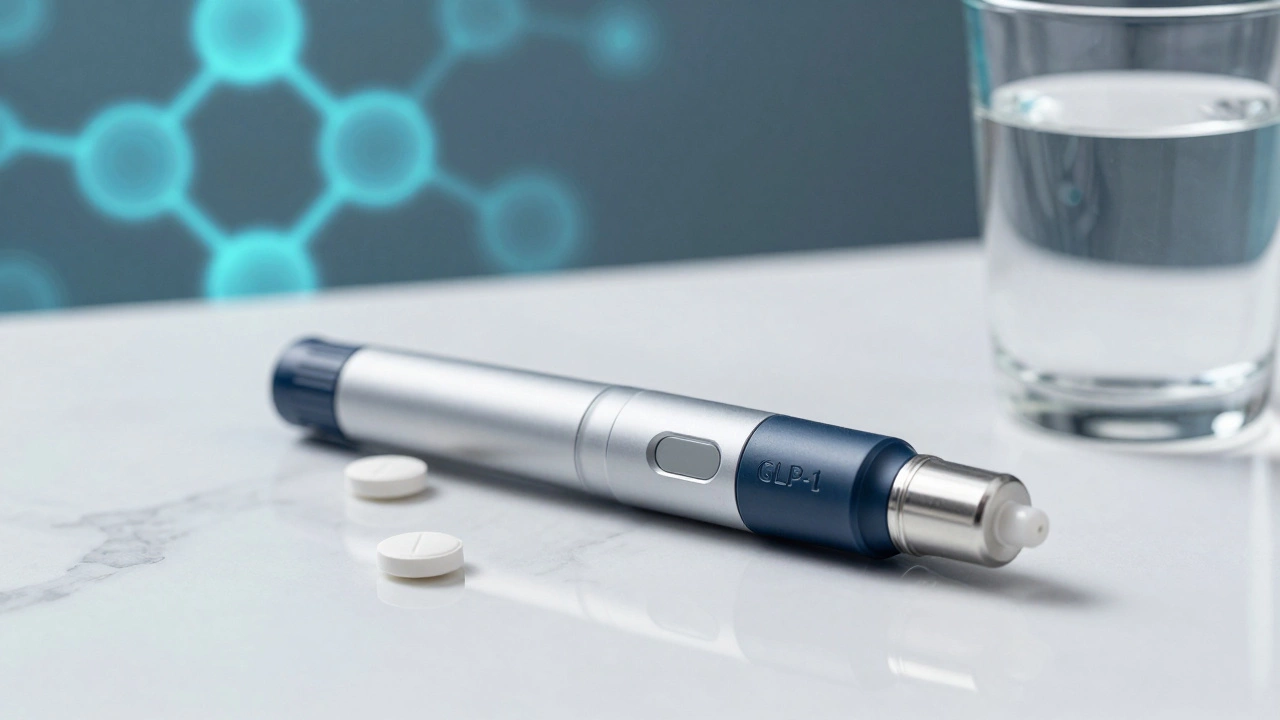
While Semaglutide dominated the conversation for the last few years, recent clinical data suggests that Tirzepatide might actually be the new heavyweight champion in terms of pure efficacy. However, calling it a "pill" is misleading. These are injectable medications, not tablets you pop with water. Understanding this distinction is crucial before you start making decisions about your health.
The Real Contenders: Semaglutide vs. Tirzepatide
To understand why these specific drugs have taken over the market, we need to look at how they work. They belong to a class of medications known as GLP-1 receptor agonists. Originally developed for type 2 diabetes, doctors noticed a side effect: patients were losing significant amounts of weight.
Semaglutide works by mimicking a hormone called glucagon-like peptide-1. This hormone targets areas of the brain that regulate appetite. When you take it, you feel full faster and stay full longer. It slows down gastric emptying, meaning food sits in your stomach for a more extended period. In major clinical trials, patients using Semaglutide lost an average of 15% of their body weight over 68 weeks.
Then came Tirzepatide. This drug is different because it is a dual agonist. It targets both the GLP-1 receptor and another receptor called GIP (glucose-dependent insulinotropic polypeptide). Think of it as hitting two birds with one stone. By activating both pathways, Tirzepatide appears to have a stronger effect on appetite suppression and metabolic regulation than Semaglutide alone.
In the SURMOUNT-1 trial, which compared Tirzepatide against a placebo, participants lost up to 22.5% of their body weight. That number is staggering. For context, bariatric surgery typically results in 25-30% weight loss. So, while Semaglutide was the king of 2024 and early 2025, Tirzepatide has emerged as the most potent pharmaceutical option in 2026.
| Medication | Type | Avg. Weight Loss | Administration | Primary Side Effects |
|---|---|---|---|---|
| Semaglutide (Wegovy) | GLP-1 Agonist | ~15% | Weekly Injection | Nausea, diarrhea, constipation |
| Tirzepatide (Zepbound) | GLP-1/GIP Agonist | ~20-22% | Weekly Injection | Nausea, vomiting, abdominal pain |
| Liraglutide (Saxenda) | GLP-1 Agonist | ~8% | Daily Injection | Nausea, headache, dizziness |
| Orlistat (Xenical) | Lipase Inhibitor | ~3-5% | Daily Pill | Oily stools, gas, urgency |
Why There Is No True "#1 Pill" Yet
If you are strictly looking for a pill-something you can swallow without a needle-the options are far less impressive. Currently, the only FDA-approved oral medication for chronic weight management is Orlistat. It works by blocking enzymes in your intestine that break down fat, causing some of the fat you eat to pass through your digestive system rather than being absorbed. While safe, the results are modest, and the side effects can be socially awkward, including oily spotting and frequent bowel movements.
There is hope on the horizon, though. An oral version of Semaglutide, known as Rybelsus, exists but is primarily approved for diabetes. Higher doses specifically for weight loss in pill form are still in late-stage clinical trials. By late 2026 or 2027, we might see a true "#1 weight loss pill" that matches the efficacy of the injections. Until then, if you want maximum results, you likely need to embrace the injection.
The Role of Weight Loss Clinics in Bangalore and Beyond
Living in a city like Bangalore, where access to advanced healthcare is robust, you have options that go beyond just buying a script online. Reputable weight loss clinics play a critical role in this process. They don’t just hand you a pen injector; they manage the entire lifecycle of your treatment.
First, they assess whether you are even a candidate. These medications are generally prescribed for adults with a Body Mass Index (BMI) of 30 or higher, or those with a BMI of 27 or higher who have at least one weight-related condition like high blood pressure, type 2 diabetes, or heart disease. A clinic will run blood tests to check your thyroid function, kidney health, and liver enzymes before starting treatment.
Second, they help manage side effects. The most common complaint with GLP-1s is gastrointestinal distress. Nausea, bloating, and constipation are very real experiences. A good clinic provides a protocol for titration-starting with a low dose and slowly increasing it-to minimize these effects. They also monitor for rarer but serious risks, such as pancreatitis or gallbladder issues.
In India, the cost of these medications can vary significantly. Importing branded versions like Wegovy or Zepbound can be expensive due to taxes and supply chain constraints. Many clinics now offer compounded versions or source generic alternatives, which can reduce costs by up to 50%. However, you must be cautious. Compounded drugs are not always subject to the same rigorous testing as brand-name drugs, so transparency from your provider is essential.

Who Should Avoid These Medications?
Not everyone should jump on the bandwagon. These drugs are powerful tools, but they come with contraindications. If you have a personal or family history of medullary thyroid carcinoma (MTC) or Multiple Endocrine Neoplasia syndrome type 2 (MEN 2), you should avoid GLP-1 agonists entirely. Animal studies have shown a link to thyroid tumors, although this has not been confirmed in humans.
Pregnant women or those planning to become pregnant should also avoid these medications. There is insufficient data on safety during pregnancy, and rapid weight loss can impact fetal development. Additionally, if you have a history of gastroparesis (delayed stomach emptying), these drugs could worsen your condition, leading to severe nausea and malnutrition.
Another critical consideration is muscle mass. When you lose weight rapidly on these drugs, you lose both fat and lean muscle tissue. Without resistance training and adequate protein intake, you risk sarcopenia (muscle wasting), which can lower your metabolic rate and make it harder to maintain weight loss later. This is why lifestyle changes remain non-negotiable.
The Sustainability Question: What Happens When You Stop?
This is the elephant in the room. Most people do not think about what happens after they reach their goal weight. Studies show that when patients stop taking Semaglutide or Tirzepatide, they regain a significant portion of the weight they lost. In one trial, participants regained about two-thirds of their lost weight within a year of stopping the drug.
This is because obesity is a chronic condition, much like hypertension or diabetes. The medication manages the underlying hormonal dysregulation. Once you remove the drug, your body’s hunger signals return to their previous state, often with a vengeance. Your metabolism may also slow down as a defense mechanism against starvation.
Therefore, viewing these drugs as a short-term fix is a mistake. For many, they will be a long-term maintenance therapy. This raises questions about cost, convenience, and psychological dependency. Are you prepared to inject yourself weekly for the next five, ten, or twenty years? This is a decision that requires honest self-reflection and open discussion with your healthcare provider.

Beyond the Drug: The Essential Lifestyle Pillars
No pill works in a vacuum. Even with the most potent medication, if you continue to consume ultra-processed foods, sit for eight hours a day, and sleep poorly, your results will suffer. The medication creates a window of opportunity by reducing calorie intake, but you must use that window wisely.
Protein Intake: Aim for 1.2 to 1.6 grams of protein per kilogram of body weight. This helps preserve muscle mass and keeps you satiated. Sources like chicken breast, fish, lentils, and tofu are excellent choices.
Strength Training: Incorporate resistance exercises at least three times a week. This signals to your body that it needs to maintain muscle tissue, counteracting the catabolic effects of weight loss.
Fiber and Hydration: Since these drugs slow digestion, fiber becomes crucial to prevent constipation. Leafy greens, berries, and whole grains are key. Drink at least 2-3 liters of water daily to aid metabolism and digestion.
Sleep Quality: Poor sleep increases ghrelin (the hunger hormone) and decreases leptin (the satiety hormone). Aim for 7-9 hours of quality sleep to support hormonal balance.
Red Flags to Watch Out For
As demand skyrockets, so does the number of scams. Be wary of online sellers offering "miracle" weight loss pills that claim to be Semaglutide but are actually unregulated supplements. These products can contain dangerous ingredients, incorrect dosages, or nothing at all. Always purchase prescription medications through licensed pharmacies or reputable clinics.
Also, beware of clinics that promise rapid results without any lifestyle counseling. Ethical providers will emphasize that the drug is an adjunct to healthy living, not a replacement for it. If a provider tells you that you don’t need to change your diet or exercise habits, walk away.
Conclusion: Making an Informed Choice
So, what is the #1 weight loss pill? In 2026, there is no single pill that fits everyone. For maximum efficacy, Tirzepatide is currently the leader, followed closely by Semaglutide. Both are injectables, not pills, and both require a prescription and medical supervision.
Your best path forward is to consult with a qualified healthcare provider at a trusted weight loss clinic. They can evaluate your medical history, discuss your goals, and determine if these medications are right for you. Remember, the goal is not just to lose weight, but to improve your overall health and quality of life. With the right combination of medication, nutrition, and movement, sustainable transformation is possible.
Is Tirzepatide better than Semaglutide for weight loss?
Yes, clinical trials suggest that Tirzepatide leads to greater weight loss (up to 22.5%) compared to Semaglutide (around 15%). Tirzepatide targets two hormonal receptors (GLP-1 and GIP), whereas Semaglutide targets only GLP-1, potentially making it more effective for appetite suppression and metabolic control.
Can I buy weight loss pills over the counter in India?
No, effective medications like Semaglutide and Tirzepatide require a prescription. Over-the-counter options like Orlistat are available but are significantly less effective. Be cautious of online sellers claiming to sell these drugs without prescriptions, as they may be counterfeit or unsafe.
What are the common side effects of GLP-1 medications?
The most common side effects are gastrointestinal, including nausea, vomiting, diarrhea, constipation, and abdominal pain. These symptoms often subside as your body adjusts to the medication. Starting with a low dose and gradually increasing it can help minimize these effects.
Will I gain the weight back if I stop taking the medication?
Many people experience weight regain after stopping GLP-1 medications because the drug addresses the hormonal drivers of obesity. Without the medication, hunger signals often return to pre-treatment levels. Long-term maintenance usually requires continued use of the drug alongside lifestyle changes.
Are there any oral weight loss pills as effective as injections?
Currently, no oral pill matches the efficacy of injectable GLP-1s. Oral Semaglutide (Rybelsus) is approved for diabetes but is less potent for weight loss than the injectable version. Researchers are developing higher-dose oral formulations, but they are not yet widely available for weight management.
How much do weight loss medications cost in Bangalore?
Costs vary widely depending on the brand, dosage, and whether you use imported or compounded versions. Branded medications like Wegovy or Zepbound can be quite expensive due to import duties. Compounded alternatives offered by some clinics may be 30-50% cheaper, but ensure the provider is reputable and transparent about sourcing.