
Vitamin D Status & Dosage Checker
Enter your recent blood test result (if available) or answer a few questions about your lifestyle to get an estimated Vitamin D status and recommended action plan.
Method 1: Blood Test Result
Method 2: Lifestyle Risk Assessment
Ask ten people what the single most important supplement is, and you’ll get ten different answers. Some will swear by protein powder for their gym gains. Others might push fish oil for heart health or ashwagandha for stress relief. But if we look at global deficiency rates, clinical evidence, and impact on overall longevity, one candidate stands head and shoulders above the rest. It’s not a trendy nootropic or an exotic herbal extract. It’s Vitamin D, a fat-soluble vitamin that functions more like a hormone in the body, regulating calcium absorption and immune function.
You might be thinking, "Isn't Vitamin D just something I get from sunlight?" That used to be true. For our ancestors working outdoors, sun exposure was enough. But modern life has changed the equation. We spend 90% of our time indoors. We wear sunscreen to prevent skin cancer. We live in cities where smog blocks UVB rays. In Bangalore, even with its pleasant climate, many office workers barely see direct midday sun. This shift has created a silent epidemic of deficiency. If you’re feeling tired, your bones ache slightly when it rains, or you catch every cold going around, your Vitamin D levels are likely the culprit.
Why Vitamin D Claims the Top Spot
Why does this specific nutrient beat out others for the title of "#1 supplement"? It comes down to reach. Most supplements target one system. Iron helps blood. Magnesium helps muscles. Vitamin D influences almost everything. It interacts with over 2,000 genes in your body. It’s involved in bone density, immune defense, mood regulation, and even insulin sensitivity. When you’re deficient, these systems don’t fail all at once; they degrade slowly. You don’t notice until things break.
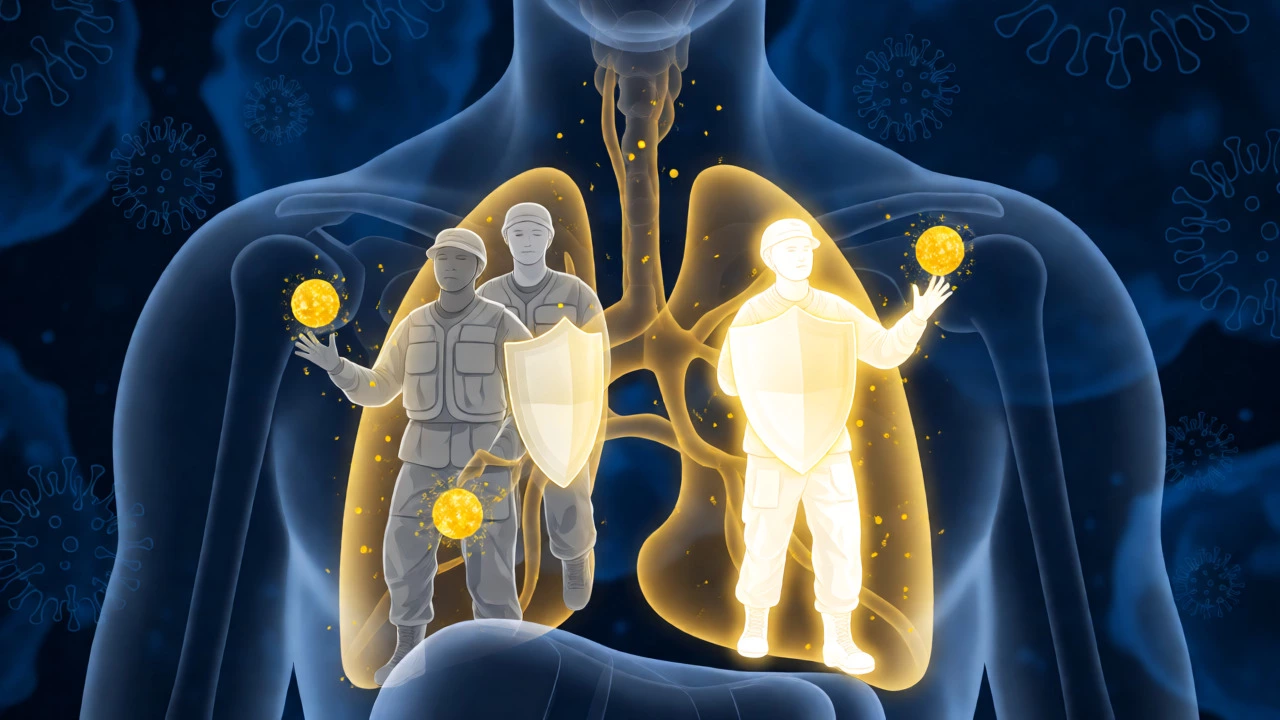
Consider the immune system. During the recent pandemic years, studies highlighted a stark correlation: patients with sufficient Vitamin D levels had significantly lower risks of severe respiratory complications. Why? Because Vitamin D activates T-cells, the white blood cells that hunt down viruses. Without enough of it, your immune army stays dormant. You’re walking around with a shield that isn’t fully deployed.
Then there’s bone health. Everyone knows calcium builds bones. But without Vitamin D, your gut can’t absorb calcium efficiently. You could drink three glasses of milk a day and still have brittle bones if your Vitamin D is low. It’s the key that unlocks the door for calcium to enter your bloodstream. This synergy makes it non-negotiable for anyone over 30, especially women approaching menopause who face accelerated bone loss.
The Modern Deficiency Crisis
How common is this issue? Surprisingly widespread. A 2024 study published in the Indian Journal of Endocrinology and Metabolism found that nearly 70-80% of urban Indians suffer from Vitamin D deficiency. This isn’t just about people living in northern Europe during winter. It’s happening here, under sunny skies. Why?
- Skin Pigmentation: Melanin acts as a natural sunscreen. People with darker skin tones need up to six times longer sun exposure to produce the same amount of Vitamin D as those with lighter skin.
- Indoor Lifestyles: Air-conditioned offices and cars block UVB rays. Glass filters out the specific wavelengths needed for synthesis.
- Dietary Gaps: Very few foods naturally contain significant Vitamin D. Fatty fish like salmon or mackerel are good sources, but most people don’t eat them daily. Fortified milk often doesn’t provide enough to correct a deficit.
If you work a 9-to-5 desk job in Bengaluru, Mumbai, or Delhi, you are statistically likely to be deficient. And unlike iron deficiency, which shows up in routine blood tests for anemia, Vitamin D status is rarely checked unless you specifically ask for it.
Signs You Might Be Running Low
Deficiency doesn’t always scream. It whispers. Here are the subtle signs your body is sending you signals:
- Constant Fatigue: You sleep eight hours but wake up groggy. Vitamin D plays a role in energy metabolism. Low levels disrupt mitochondrial function, leaving you drained.
- Frequent Illness: Do you catch colds multiple times a year? Or take weeks to recover? Weak immune response is a hallmark sign.
- Bone and Back Pain: Deep, achy pain in the lower back or shins that worsens at night can indicate poor bone mineralization (osteomalacia).
- Mood Swings: There’s a link between low Vitamin D and depression, particularly Seasonal Affective Disorder (SAD). Even in tropical climates, lack of consistent bright light affects serotonin production via Vitamin D pathways.
- Slow Wound Healing: After a cut or surgery, if healing takes unusually long, Vitamin D may be limiting your cell regeneration capabilities.
Notice how vague these symptoms are? That’s why guessing isn’t enough. You need data.
Choosing the Right Type and Dosage
Not all Vitamin D supplements are created equal. When you walk into an online pharmacy or a local chemist shop, you’ll see two main types: D2 and D3. Ignore D2. It’s plant-derived and less effective at raising blood levels. Look for Vitamin D3 (Cholecalciferol), the form your body naturally produces from sunlight and absorbs more efficiently than D2.
Dosage is the next hurdle. Standard multivitamins often contain only 400-600 IU (International Units). For someone already deficient, this is a drop in the ocean. Maintenance doses usually range from 1,000 to 2,000 IU daily. However, if your blood test shows severe deficiency (below 20 ng/mL), doctors often prescribe loading doses of 60,000 IU weekly for 8-12 weeks to boost levels quickly.
| Status | Blood Level (ng/mL) | Typical Daily Dose | Action Required |
|---|---|---|---|
| Deficient | < 20 | 5,000 - 10,000 IU | Consult doctor; consider loading dose |
| Insufficient | 20 - 30 | 2,000 - 5,000 IU | Increase intake; retest in 3 months |
| Sufficient | 30 - 60 | 1,000 - 2,000 IU | Maintenance; monitor annually |
| High | > 100 | Reduce or Stop | Risk of toxicity; check calcium levels |
A critical tip: Always take Vitamin D with a meal containing fat. Since it’s fat-soluble, taking it on an empty stomach reduces absorption by up to 50%. Pair it with avocado, nuts, olive oil, or eggs. Many high-quality supplements now come pre-mixed with coconut oil or MCT oil to enhance uptake.
Don’t Forget the Co-Factors
Taking Vitamin D alone can sometimes cause issues if other nutrients aren’t balanced. This is where knowledge separates casual users from smart ones. Two key partners are Magnesium and a mineral required to convert Vitamin D into its active form and Vitamin K2 (Menaquinone), which directs calcium into bones rather than arteries.
Magnesium is essential because enzymes that activate Vitamin D require magnesium to function. If you’re low on magnesium-which many stressed adults are-your body struggles to use the Vitamin D you ingest. This leads to frustration: "I’m taking my pills, but my levels aren’t rising." Check your magnesium intake first. Leafy greens, pumpkin seeds, and dark chocolate are good food sources. Supplements like Magnesium Glycinate are gentle on the stomach.
Vitamin K2 ensures safety. High doses of Vitamin D increase calcium absorption. Without K2, that extra calcium might deposit in soft tissues like arteries or kidneys instead of bones. K2 activates osteocalcin (bone protein) and matrix GLA protein (arterial cleaner). Many premium Vitamin D supplements now include K2 in the formula for this reason. If yours doesn’t, consider adding a separate K2 MK-7 supplement.

Who Should Be Cautious?
While safe for most, supplementation isn’t one-size-fits-all. People with certain conditions need medical supervision:
- Kidney Stones: History of calcium oxalate stones means you must monitor urine calcium levels while supplementing.
- Sarcoidosis: This autoimmune condition causes uncontrolled Vitamin D activation, leading to dangerously high calcium levels.
- Hyperparathyroidism: Overactive parathyroid glands already elevate calcium; adding Vitamin D can exacerbate hypercalcemia.
Pregnant women and children also have specific needs. While deficiency is risky for fetal development, excessive intake can lead to birth defects. Stick to prenatal vitamins formulated with appropriate doses unless a doctor advises otherwise.
How to Test and Track Progress
Stop guessing. Get a blood test called 25-Hydroxy Vitamin D. It’s inexpensive and widely available at diagnostic labs across India. Ask for the result in ng/mL. Optimal levels are generally considered 40-60 ng/mL for general health, though some functional medicine practitioners aim higher for immune resilience.
Retest after three months of consistent supplementation. If levels haven’t moved, investigate absorption issues. Gut health matters here. Conditions like Crohn’s disease, celiac disease, or prior gastric bypass surgery impair fat absorption, making oral supplements less effective. In such cases, liquid drops or sublingual sprays might offer better bioavailability.
Consistency beats intensity. Taking a massive dose once a month is less effective than smaller daily doses. Your body regulates Vitamin D storage carefully. Daily intake mimics natural sun exposure patterns and keeps blood levels stable.
Beyond the Pill: Lifestyle Synergies
Supplements fill gaps; they don’t replace lifestyle foundations. Can you get Vitamin D from food? Yes, but it’s hard. One serving of wild-caught salmon provides about 1,000 IU. Egg yolks contain small amounts. Mushrooms exposed to UV light can help, but commercial mushrooms rarely do. So, diet supports but rarely solves deficiency.
Sunlight remains the gold standard when possible. Aim for 10-15 minutes of midday sun on arms and legs, without sunscreen, twice a week. In summer, this might cause burning faster; in winter, it might take longer. Adjust based on your skin tone and location. In Bangalore, mornings before 10 AM or evenings after 4 PM offer safer windows for moderate exposure.
Exercise also plays a role. Weight-bearing exercises stimulate bone formation, synergizing with Vitamin D’s role in bone health. Walking, jogging, or resistance training tells your bones to hold onto the calcium that Vitamin D helps absorb. Sedentary lifestyles waste the benefits of supplementation.
Is it safe to take Vitamin D every day?
Yes, for most adults, daily supplementation of 1,000-2,000 IU is considered safe and beneficial. Toxicity is rare and typically occurs only with extremely high doses (over 10,000 IU daily) taken for extended periods without monitoring. Regular blood tests ensure you stay within safe ranges.
Can I take Vitamin D at night?
Some anecdotal reports suggest Vitamin D might interfere with melatonin production and sleep quality if taken late in the evening. To avoid potential sleep disruption, it’s best to take your Vitamin D supplement with breakfast or lunch, alongside a meal containing fat.
Which is better, Vitamin D2 or D3?
Vitamin D3 (cholecalciferol) is superior. It is the form your body naturally produces from sunlight and raises blood levels of calcifediol more effectively than Vitamin D2 (ergocalciferol). D2 is often derived from plants and fungi and is less stable and potent.
Do I need Vitamin K2 with Vitamin D?
It is highly recommended, especially if you are taking doses above 5,000 IU. Vitamin K2 helps direct calcium to your bones and teeth rather than letting it accumulate in arteries or soft tissues, reducing the risk of arterial calcification.
How long does it take to fix a deficiency?
With consistent daily supplementation, noticeable improvements in blood levels occur within 4-6 weeks. Full correction of severe deficiency may take 3-6 months. Symptoms like fatigue or mood changes may improve sooner, but bone density changes take much longer.