
Find Your Perfect Herbal Remedy
Not sure which herb is right for you? Answer these simple questions to find the best natural support for your body.
What is your primary health concern?
😌 Stress & Anxiety
Feeling overwhelmed, tired, or unable to relax.
🔥 Pain & Inflammation
Joint pain, muscle soreness, or chronic swelling.
🤢 Digestion & Nausea
Bloating, indigestion, or motion sickness.
🛡️ Immune Support
Fighting off colds, flu, or general weakness.
🥗 Nutrient Deficiency
Low energy, anemia, or need for a vitamin boost.
How do you prefer to take supplements?
💊 Capsules/Pills
Convenient and precise dosage.
🍲 Food/Kitchen
Teas, powders, or fresh ingredients.
✨ Whatever Works
I just want results.
You’ve probably seen the posts on social media. A photo of a leafy green herb, maybe a bright yellow root, with a caption claiming it cures cancer, anxiety, diabetes, and bad breath all at once. It’s tempting to believe there is one magical plant that fixes everything. After all, who doesn’t want a simple solution to life’s health problems?
But here is the hard truth: no single plant heals everything. If such a thing existed, modern medicine would have found it by now. However, nature does offer some incredibly powerful botanicals that act as strong supporters for your body. These aren't magic wands, but they are potent tools when used correctly.
The Myth of the "Panacea" Plant
The idea of a universal cure has been around for centuries. In ancient times, people believed in the "elixir of life." Today, that belief has shifted to superfoods and miracle herbs. When you see claims like "heals everything," it’s usually marketing hype designed to sell supplements.
In reality, plants work through specific mechanisms. Some reduce inflammation. Others help regulate blood sugar or calm the nervous system. To find the right plant for you, you need to understand what your body actually needs, not just what sounds impressive. Let’s look at the heavy hitters in the world of herbal supplements that come closest to being multi-purpose healers.
Ashwagandha: The Stress Buster
If you had to pick one plant that helps with the most common modern ailment-stress-it’s likely Ashwagandha (Withania somnifera). Known as an adaptogen, this root from Ayurvedic medicine helps your body manage stress.
Adaptogens don’t fix a broken bone or kill a virus. Instead, they help your body resist physical and mental stress. Research suggests Ashwagandha can lower cortisol levels, the hormone responsible for stress. When cortisol is high, you feel anxious, tired, and gain weight. By balancing this, Ashwagandha indirectly supports better sleep, improved mood, and even better athletic performance.
It’s not a cure-all, but for many people living in high-pressure environments, it feels like it fixes their entire day. You can take it as a powder mixed into warm milk or as a capsule. Most studies use doses between 300mg and 600mg of root extract daily.
Turmeric: The Anti-Inflammatory Powerhouse
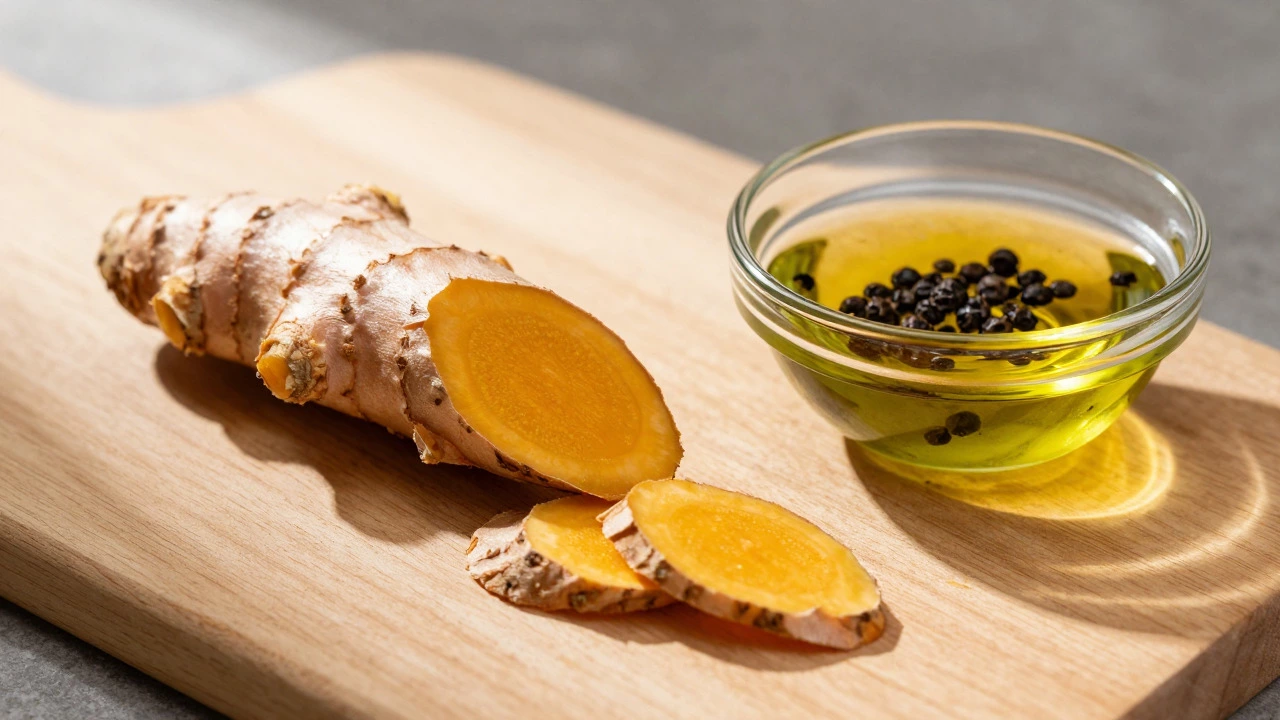
Next up is Turmeric (Curcuma longa). This bright yellow spice contains curcumin, a compound with strong anti-inflammatory and antioxidant effects. Chronic inflammation is linked to almost every major disease, from heart disease to arthritis.
While turmeric doesn’t heal everything, it helps manage the underlying cause of many ailments. The catch? Curcumin is poorly absorbed by the body on its own. You need to pair it with black pepper (which contains piperine) and a fat source like olive oil or coconut milk to make it work. Without these, you’re just eating expensive yellow dirt.
People often use turmeric for joint pain, digestive issues, and skin health. It’s a staple in Indian kitchens because it’s effective and safe for daily consumption. Unlike pharmaceutical anti-inflammatories, it rarely causes stomach upset if taken with food.
Ginger: The Digestive Hero
If your problem is nausea, bloating, or poor digestion, Ginger (Zingiber officinale) is your go-to plant. It’s one of the oldest medicinal herbs known to humanity. Gingerols, the active compounds in ginger, speed up gastric emptying, which means food moves through your stomach faster and more efficiently.
This makes ginger excellent for morning sickness, motion sickness, and general indigestion. It also has mild anti-inflammatory properties, similar to turmeric, making it useful for muscle soreness after exercise. Fresh ginger root is often more effective than dried powder or capsules because it retains more volatile oils.
You don’t need a supplement bottle for this. Slicing fresh ginger into hot tea or chewing a small piece after a meal works wonders. It’s accessible, cheap, and incredibly effective for gastrointestinal distress.
Moringa: The Nutrient Dense Leaf
Often called the "drumstick tree," Moringa (Moringa oleifera) leaves are packed with vitamins, minerals, and amino acids. It’s sometimes marketed as a complete food source. While it won’t replace a balanced diet, it is one of the most nutrient-dense plants available.
Moringa contains high levels of Vitamin C, Vitamin A, calcium, potassium, and iron. For people struggling with malnutrition or anemia, moringa can be a significant boost. It also has compounds that may help lower blood sugar levels, making it interesting for those managing pre-diabetes.
However, be careful with moringa root bark extracts, as they can contain toxic alkaloids. Stick to the leaf powder or capsules made from leaves. It’s a great addition to smoothies or soups, adding a spinach-like flavor and a massive nutrient punch.
Echinacea: The Immune Defender
When you feel a cold coming on, Echinacea is the plant most people reach for. Studies show mixed results, but many users report shorter duration and less severe symptoms of the common cold. It seems to stimulate the immune system rather than fight viruses directly.
Echinacea works best when taken at the very first sign of illness, like a scratchy throat. Taking it preventatively year-round isn’t necessary and might reduce its effectiveness. It’s not a cure for the flu or serious infections, but for minor upper respiratory issues, it’s a reliable ally.
Comparison of Top Healing Plants
| Plant | Primary Benefit | Best For | Key Consideration |
|---|---|---|---|
| Ashwagandha | Stress reduction | Anxiety, sleep, cortisol balance | May cause drowsiness; avoid with sedatives |
| Turmeric | Anti-inflammatory | Joint pain, chronic inflammation | Needs black pepper/fat for absorption |
| Ginger | Digestion & Nausea | Bloating, motion sickness, muscle pain | Fresh root is more potent than powder |
| Moringa | Nutrient density | Anemia, energy, vitamin deficiency | Stick to leaf products, avoid root bark |
| Echinacea | Immune support | Cold prevention, shortening illness | Use only at onset of symptoms |
Pitfalls to Avoid with Herbal Supplements
Just because something is natural doesn’t mean it’s safe for everyone. Herbal supplements interact with medications just like drugs do. For example, St. John’s Wort interacts with antidepressants and birth control pills. Turmeric can thin the blood, which is risky if you’re on anticoagulants like Warfarin.
Always check with your doctor before starting any new supplement, especially if you have existing health conditions or take prescription medication. Quality matters too. The supplement industry is loosely regulated. Look for brands that undergo third-party testing for purity and potency. Cheap supplements often contain fillers or incorrect dosages.
How to Choose the Right Herb for You
Instead of looking for a plant that heals everything, identify your biggest health challenge. Are you stressed? Try Ashwagandha. Do you have joint pain? Try Turmeric. Is your digestion off? Try Ginger. Start with one herb at a time so you can monitor how your body reacts. Give it at least two to four weeks to see results, as herbs work gradually compared to synthetic drugs.
Listen to your body. If you feel worse, stop taking it. There is no one-size-fits-all solution in herbal medicine. Your genetics, lifestyle, and environment all play a role in how these plants affect you.
Is there really a plant that cures all diseases?
No. There is no single plant that cures all diseases. Claims of a "miracle cure" are usually marketing exaggerations. Different plants target different bodily systems, such as inflammation, stress, or digestion.
Can I take multiple herbal supplements together?
Yes, but caution is needed. Combining herbs can lead to interactions or amplified side effects. Always introduce one new supplement at a time and consult a healthcare provider if you are on medication.
Which herb is best for stress?
Ashwagandha is widely considered the best herb for stress management due to its adaptogenic properties, which help lower cortisol levels and improve resilience to stress.
Does turmeric really reduce inflammation?
Yes, the curcumin in turmeric has proven anti-inflammatory effects. However, it must be consumed with black pepper and fat to be properly absorbed by the body.
Are herbal supplements safe for children?
Some herbs like ginger and turmeric are generally safe in culinary amounts. However, concentrated supplements should only be given to children under medical supervision, as dosages differ significantly from adults.